

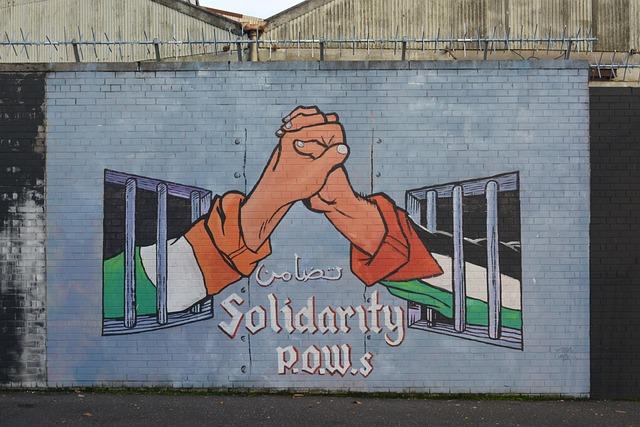
Headline: Release of Political Prisoners from Nicaragua Sparks Hope Amid Ongoing Tensions
In a significant development that could reshape the political landscape of Nicaragua, the U.S. Embassy in Costa Rica has announced the release of several political prisoners from the Central American nation. This move comes in the wake of heightened international scrutiny and calls for human rights reform. The release, which includes individuals detained for their opposition to the government of President Daniel Ortega, marks a potential turning point in a country long plagued by accusations of political repression and human rights violations. As families and advocates celebrate the newfound freedom of these individuals, questions remain about the broader implications for Nicaraguan society and the international community’s response. This article explores the context of the prisoners’ release, the reactions from various stakeholders, and what this means for the future of democracy in Nicaragua.
Impact of Political Prisoners’ Release on Nicaragua’s Human Rights Landscape
The recent release of political prisoners in Nicaragua has sparked significant shifts in the nation’s human rights landscape. This event marks a pivotal moment in a prolonged struggle for democratic freedoms and civil liberties. Many analysts observe that the release may encourage a broader dialogue between the government and opposition factions, potentially leading to reforms aimed at addressing the country’s human rights violations. Key impacts include:
- Restoration of Political Discourse: The freed prisoners, many of whom are prominent opposition figures, could lead to renewed political dialogue and the establishment of a platform for meaningful discussion surrounding human rights issues.
- International Relations: The release is likely to influence Nicaragua’s standing on the international stage, fostering closer relations with countries prioritizing human rights.
- Increased Advocacy: Human rights organizations may gain momentum in pushing for further changes and advocating for the release of other political prisoners still detained.
However, the situation remains complex, as many observers caution that the government’s intentions behind the releases should be scrutinized. There is concern that the regime might implement superficial changes rather than genuine reforms. Observations include:
| Status | Potential Outcomes |
|---|---|
| Positive | Opportunities for dialogue and reform |
| Neutral | Government leveraging releases for image enhancement |
| Negative | Ongoing repression and detainment of dissenters |
As Nicaragua navigates this sensitive juncture, the world watches closely, wary of both the possibilities for advancement in human rights and the specter of continuing suppression. The path forward will depend heavily on sustained advocacy from both domestic and international fronts, emphasizing the need for genuine accountability and structural changes throughout the country.
U.S. Diplomatic Efforts and the Role of Costa Rica in Supporting Freed Prisoners
The U.S. diplomatic efforts surrounding the release of political prisoners from Nicaragua have gained momentum, particularly through strategic collaborations with regional partners. Key to these efforts is Costa Rica’s proactive stance, serving not just as a mediator but also as a sanctuary for those fleeing political repression. The Costa Rican government has expressed unwavering support for the promotion of human rights in Nicaragua, advocating for the immediate and unconditional release of all political detainees. This cooperation has heightened awareness of the situation, engaging various international human rights organizations, and fostering dialogues aimed at reinforcing democratic values in the region.
Moreover, Costa Rica’s involvement has facilitated significant civic engagement across borders, leading to community initiatives designed to support former prisoners during their reintegration. Notable measures include:
- Legal assistance for navigating post-release challenges
- Psychological support networks to aid recovery
- Workshops aimed at restoring civic rights and responsibilities
Such initiatives not only underscore Costa Rica’s commitment to human rights but also highlight a model of international collaboration that emphasizes compassion and support for those affected by authoritarian governance. Through these diplomatic channels, the hope remains that sustained pressure on the Nicaraguan government will lead to systemic change and the restoration of a just society.
Recommendations for Strengthening International Pressure on Nicaragua’s Government
To effectively bolster international pressure on Nicaragua’s government, a multifaceted approach is essential. Emphasizing diplomatic engagement and collaboration among nations can amplify the impact of advocacy efforts. Key strategies include:
- Coordinated Sanctions: Strengthening targeted economic sanctions against individuals in the Nicaraguan government linked to human rights abuses can create a ripple effect, encouraging compliance with international law.
- Publicization of Human Rights Violations: Utilizing social media platforms and international forums to highlight the plight of political prisoners, fostering global public awareness and condemnation.
- Support for Civil Society: Empowering NGOs and local organizations that work towards democracy and human rights in Nicaragua, providing them with the necessary resources to amplify their voices.
Moreover, fostering a coalition of regional allies can enhance the effectiveness of these efforts. Governments should consider the following collaborative tactics:
- Joint Statements and Resolutions: Issuing unified statements condemning the Nicaraguan government’s actions can exert collective pressure.
- Multilateral Dialogues: Engaging in dialogues through international bodies like the Organization of American States (OAS) can pressure Nicaragua to adhere to its commitments to democratic governance.
- Monitoring and Reporting: Establishing a consortium to continuously monitor the situation in Nicaragua, reporting regularly to key stakeholders about developments to maintain focus on human rights conditions.
To Wrap It Up
In conclusion, the release of political prisoners in Nicaragua marks a significant development in the ongoing struggle for human rights and democratic governance in the region. The U.S. Embassy in Costa Rica has expressed its commitment to supporting the release of individuals unjustly detained due to their political beliefs. As calls for reform and freedom grow louder, the international community watches closely, hopeful that these developments may signal a turning point for Nicaragua. The implications of this release extend beyond national borders, inviting renewed discussions on the role of diplomacy and human rights advocacy in fostering lasting change. As this story unfolds, it remains essential to stay informed and engaged with the evolving situation in Nicaragua and the broader implications for Central America.

