

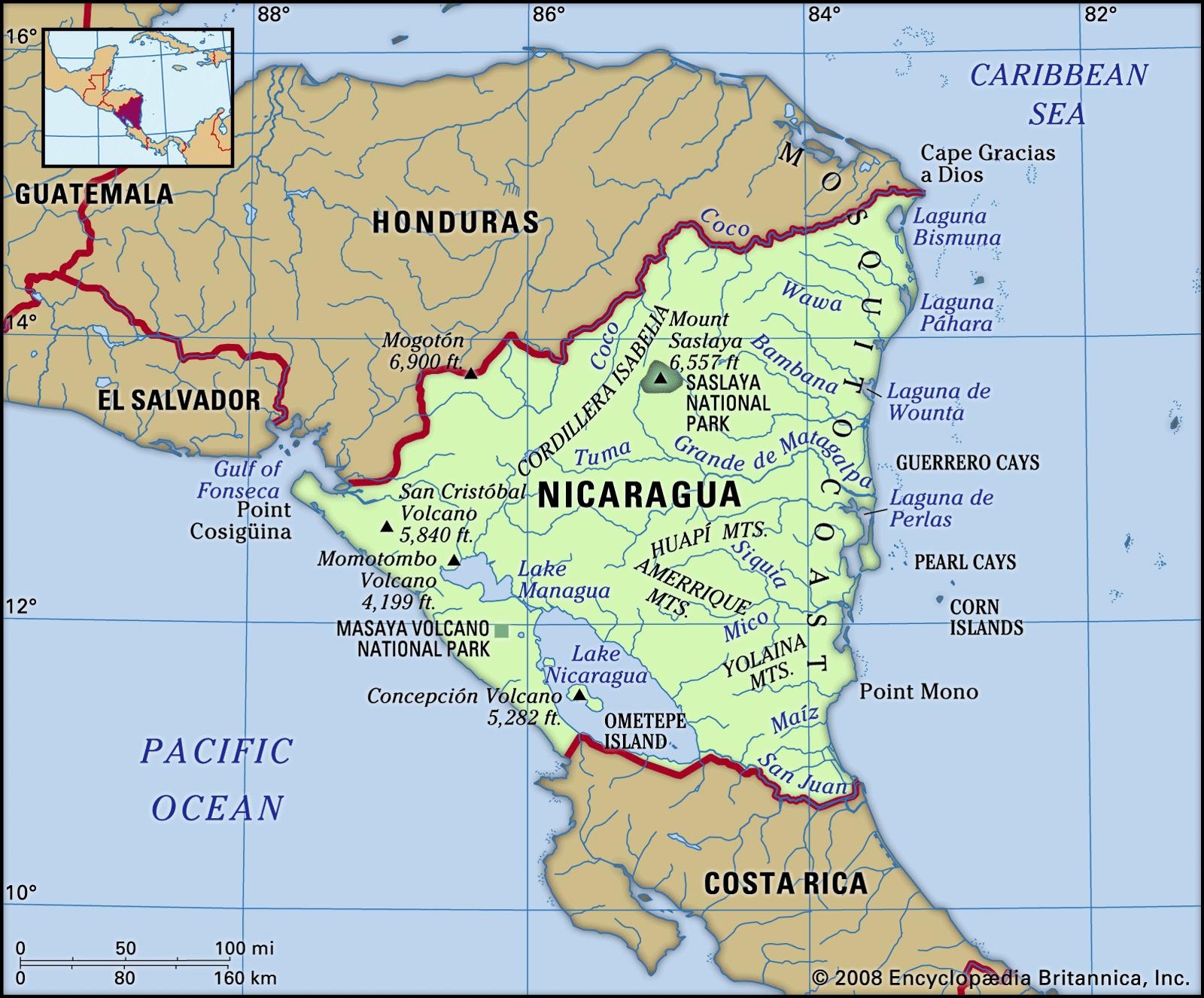
In a significant shift in trade policy, the United States has proposed the removal of Nicaragua from the Central America Free Trade Agreement (CAFTA), a decision that comes amid growing concerns over the country’s political landscape and human rights record. Alongside this move, U.S. officials are also advocating for the imposition of 100% tariffs on Nicaraguan goods, a measure that could further isolate the Central American nation economically. The proposal reflects ongoing tensions between Washington and Managua, highlighting the complexities of U.S. foreign trade relations in a region marked by political unrest and socio-economic challenges. This development raises questions about the future of trade dynamics within Central America and the potential repercussions for Nicaraguan businesses and consumers.
US Faces Backlash as Proposed Tariffs on Nicaragua Threaten Regional Trade Relations
The United States has ignited controversy with its latest trade maneuver, proposing to remove Nicaragua from the Central America Free Trade Agreement (CAFTA) and imposing staggering 100% tariffs on various Nicaraguan products. This drastic action is interpreted by many regional leaders as a potential diplomatic misjudgment that could disrupt trade relations across Central America. Critics argue that such a measure not only threatens economic stability in Nicaragua but also undermines broader regional ties, raising concerns over retaliatory measures by neighboring countries.
Key stakeholders and economic analysts warn that the tariffs could lower Nicaraguan exports significantly, which may lead to adverse effects on the overall economy of Central America. The following are potential repercussions of these proposed tariffs:
- Increased Prices: U.S. consumers may face higher prices on imported goods.
- Trade Tensions: The proposal could escalate tensions between the U.S. and Nicaragua, leading to further sanctions.
- Market Disruption: Regional supply chains may be affected, leading to a ripple effect on businesses throughout Central America.
| Product Category | Current Tariff Rate (%) | Proposed Tariff Rate (%) |
|---|---|---|
| Coffee | 0 | 100 |
| Textiles | 0 | 100 |
| Seafood | 0 | 100 |
Evaluating the Economic Impact of Potential CAFTA Changes on Nicaragua’s Vulnerable Sectors
The proposed exclusion of Nicaragua from the Central America Free Trade Agreement (CAFTA) and the imposition of 100% tariffs could have devastating repercussions for the country’s already vulnerable sectors. Key industries such as agriculture, textiles, and handicrafts are poised to bear the brunt of these changes. The effects may include:
- Increased Costs: Importing essential materials for production could become prohibitively expensive, affecting local manufacturing.
- Job Losses: An estimated reduction in workforce due to factories shutting down or downsizing might occur, intensifying poverty levels.
- Market Instability: Fluctuations in international trade could disrupt established supply chains, leading to a decrease in foreign investment.
- Consumer Impact: Higher prices resulting from tariffs could limit access to basic goods, further straining household finances.
To better understand the potential economic fallout, we can consider a table illustrating the projected impacts on key industries based on recent reports:
| Industry | Current Employment | Projected Job Losses | Impact on Exports |
|---|---|---|---|
| Agriculture | 450,000 | 90,000 | -30% |
| Textiles | 200,000 | 50,000 | -40% |
| Handicrafts | 75,000 | 15,000 | -25% |
This analysis not only paints a grim picture of the immediate consequences but also raises concerns about the long-term sustainability of these sectors in the face of stiff tariffs and exclusion from beneficial trade agreements. Stakeholders must remain vigilant and proactive in advocating for policies that protect Nicaragua’s economic interests, particularly for its most vulnerable communities.
Strategies for Nicaragua to Mitigate Trade Challenges Amidst Heightened Tariff Risks
Nicaragua faces significant challenges in light of the recent proposals to remove it from the Central America Free Trade Agreement (CAFTA) and impose 100% tariffs. To navigate these turbulent waters, it is crucial for the Nicaraguan government to adopt comprehensive strategies that not only strengthen internal industries but also seek to mitigate the impact of external pressures. One approach could involve enhancing local production capabilities by investing in technology and training. This can lead to improved productivity and lower costs, making Nicaraguan goods more competitive in both domestic and international markets.
Furthermore, fostering trade relationships with non-CAFTA countries can serve as a buffer against the fallout from US tariff policies. This includes:
- Exploring new markets: Identify and cultivate relationships with countries outside of CAFTA that may be interested in Nicaraguan goods.
- Diversifying exports: Encourage farmers and manufacturers to diversify their products to reduce dependency on the US market.
- Strengthening regional cooperation: Collaborate with Central American neighbors to create a collective approach to trade negotiations and tariffs.
In an effort to better understand the flow of trade and its potential impact, the following table illustrates the key commodities affected by current tariff proposals:
| Commodity | Current Tariff Rate (%) | Proposed Tariff Rate (%) |
|---|---|---|
| Coffee | 0 | 100 |
| Beef | 0 | 100 |
| Textiles | 5 | 100 |
By strategically planning and reinforcing its economic resilience, Nicaragua can weather the impending storm generated by potential tariff increases. It remains vital to balance immediate responses with long-term economic health to ensure the country’s continued growth and development.
To Wrap It Up
In summary, the U.S. government’s proposal to exclude Nicaragua from the Central America Free Trade Agreement (CAFTA) and impose a substantial 100% tariff on Nicaraguan goods marks a significant escalation in economic tensions between the nations. This shift reflects broader concerns over human rights abuses and democratic backsliding in Nicaragua, which have drawn criticism from international observers. As stakeholders monitor the unfolding implications of this decision, it remains to be seen how it will affect trade relations in the region and the economic well-being of the Nicaraguan populace. The proposed measures underline the complex interplay between trade policy and human rights advocacy, setting a critical precedent for future diplomatic engagements across Central America. As developments continue to unfold, the impact of these changes will be closely watched by economists and political analysts alike.

