

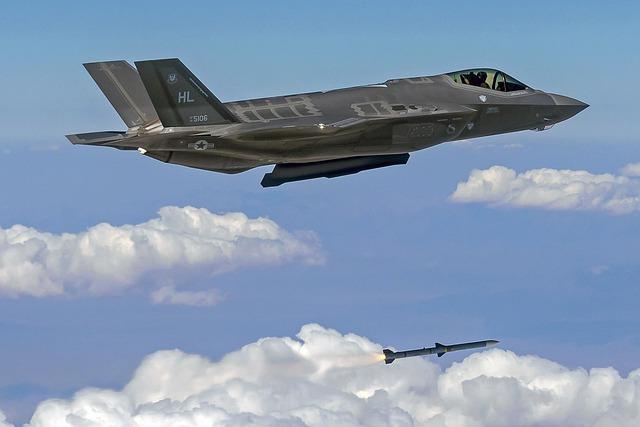
In the complex landscape of U.S. foreign policy, few situations draw as much attention and scrutiny as the ongoing crisis in Venezuela. As the political and humanitarian turmoil continues to escalate, U.S. aims toward Caracas have emerged as a focal point of debate, prompting questions about the effectiveness and implications of American intervention. Drawing a historical parallel, some analysts argue that the U.S. approach to Venezuela bears more resemblance to its actions in Panama than to the controversial interventions seen in Iraq. This article delves into the historical context, strategic objectives, and potential outcomes of U.S. involvement in Venezuela, exploring the lessons learned from past interventions and the challenges that lie ahead for both Washington and the Venezuelan people.
US Strategic Interests in Venezuela: Lessons from Panama’s Military Intervention
Examining the US strategic interests in Venezuela, the historical context of the Panama military intervention in 1989 provides a crucial lens for understanding contemporary motivations. Similar to the circumstances surrounding the US operations in Panama, the prevailing narrative around Venezuela centers on promoting stability and protecting American interests in a volatile region. The key objectives behind potential intervention include:
- Securing access to vital resources: Venezuela is rich in oil reserves, which are critical to the energy needs of the US.
- Countering malign influence: The presence of adversarial regimes, such as those supported by Russia and Iran, poses a significant threat to US interests.
- Restoring democracy: The US aims to support democratic movements and governance against autocratic leadership.
The case of Panama reveals how these interests can manifest in military actions, prioritized by a swift and decisive approach. In that context, the US justified its actions through claims of restoring democracy and security. A similar approach towards Venezuela might leverage a combination of economic sanctions, diplomatic frameworks, and military readiness to effectively achieve strategic objectives. Historical data suggests that effective military interventions rely heavily on quick mobilization and local support, emphasizing the need for a thorough analysis of Venezuela’s socio-political landscape.
In looking at the lessons learned from Panama, it becomes evident that careful planning and clear objectives are essential. The implications of military action in Venezuela raise questions about long-term stability, regional alliances, and the influence of global powers. Thus, the historical parallels not only shed light on potential US actions but also emphasize the consequences that accompany interventionist strategies.
Evaluating the Humanitarian and Economic Implications of US Policy in Venezuela
The humanitarian crisis in Venezuela has reached alarming levels, with millions facing food insecurity, lack of healthcare, and the ongoing threat of violence. As the U.S. continues to impose sanctions and support opposition forces against Nicolás Maduro’s regime, the implications of these policies raise serious questions about their effectiveness and humanitarian impact. Critics argue that sanctions disproportionately affect the most vulnerable populations, often exacerbating the very conditions that the U.S. aims to alleviate. The consequences of U.S. intervention can be succinctly outlined as follows:
- Increased poverty: Sanctions have led to soaring inflation and a declining economy.
- Healthcare collapse: Medical supplies are in short supply, exacerbating public health crises.
- Migration crisis: Millions have fled the country, creating regional instability.
On the economic front, the U.S. has seen its strategic interests in the region evolve, treating Venezuela as a pivotal element in a larger geopolitical struggle. The parallels with U.S. actions in Panama during the late 20th century emerge clearly, suggesting that economic motivations often shadow humanitarian concerns. The U.S. aims to secure energy resources, counter Chinese and Russian influence, and establish a more favorable government in Caracas. This complex interplay raises significant ethical considerations about the true objectives behind the policies, which can be summarized in the table below:
| Objective | Rationale |
|---|---|
| Energy Security | Access to oil resources to ensure U.S. energy dominance. |
| Geopolitical Influence | Counteract Russian and Chinese presence in Latin America. |
| Humanitarian Intervention | Justify sanctions by pointing to suffering populations. |
Recommendations for a Diplomatic Approach to Stabilize Venezuela’s Future
To effectively stabilize Venezuela’s future, it is crucial for the United States and its allies to adopt a diplomatic approach that prioritizes dialogue and collaboration over confrontation. Engaging with regional partners and organizations such as the Organization of American States (OAS) can facilitate a multilateral strategy that emphasizes human rights, democratic governance, and economic recovery. This could include:
- Initiating open channels of communication with both the Venezuelan government and opposition groups to create a climate of trust.
- Coordinating humanitarian aid efforts with international NGOs to address the immediate needs of the Venezuelan population.
- Promoting inclusive political talks that allow for diverse representation from various sectors of society.
Furthermore, fostering economic partnerships that encourage sustainable development will be vital. A focus on creating conditions for foreign investment and trade can help bolster Venezuela’s economy while ensuring that the local population benefits. This cooperative framework should include:
| Area of Focus | Proposed Action |
|---|---|
| Energy Sector | Revive oil production through international expertise and investment. |
| Agriculture | Facilitate partnerships to improve food security and agricultural practices. |
| Social Programs | Support education and healthcare initiatives through international funding. |
By pursuing these diplomatic strategies, the U.S. can contribute to a more stable Venezuela, paving the way for democratic processes and lasting peace in the region.
Final Thoughts
In summary, the U.S. aims toward Venezuela reflect a complex interplay of historical precedents and modern geopolitical realities. While comparisons to Iraq reveal the pitfalls of military intervention, the Panama model suggests a more nuanced approach that balances diplomatic efforts with the potential for humanitarian intervention. As the situation continues to unfold, it remains crucial for policymakers to consider the lessons of the past while navigating the intricate landscape of Venezuelan politics. Understanding these dynamics will be essential for shaping a coherent strategy that supports the aspirations of the Venezuelan people while safeguarding regional stability. As the international community watches closely, the path forward will undoubtedly require careful deliberation and a commitment to fostering sustainable change.

