

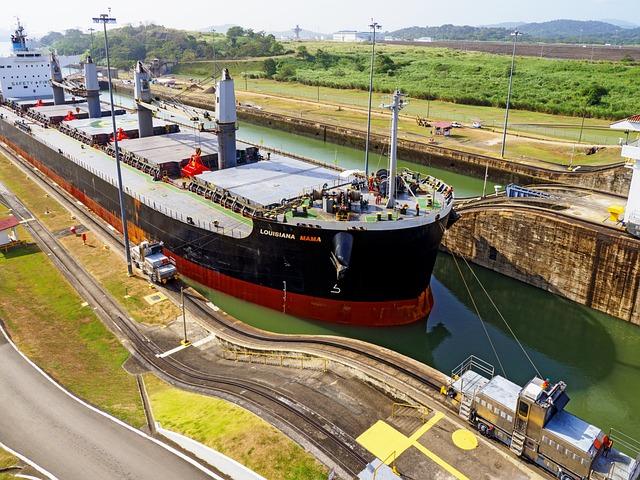
Panama Canal Facilitates Humanitarian Transit for Holland America’s Zaandam and Rotterdam
In a significant move reflecting the Panama Canal’s commitment to supporting humanitarian efforts, the canal authorities have enabled the expedited passage of Holland America Line’s cruise ships, Zaandam and Rotterdam, through its waters. This unprecedented decision comes in light of urgent circumstances that require the swift transport of relief resources and personnel to regions affected by recent crises. As global challenges mount, the cooperation between maritime operations and humanitarian initiatives underscores a shared responsibility to address pressing needs. The decision not only highlights the strategic importance of the Panama Canal as a vital shipping artery but also emphasizes its role in fostering international solidarity during times of crisis, facilitating essential aid where it is needed most.
Panama Canal’s Role in Supporting Humanitarian Efforts Through Maritime Transit
The Panama Canal has long been a vital artery for international maritime trade, but its significance extends beyond commerce. Recently, the canal played an essential role in facilitating the transit of Holland America’s Zaandam and Rotterdam cruise ships, which were repurposed for humanitarian missions to transport passengers and crew stranded due to the global pandemic. This unprecedented move underscores the canal’s flexibility and its capacity to support not only economic activities but also humanitarian efforts, showcasing its importance as a lifeline in times of crisis.
By expediting the passage of these vessels, the Panama Canal Authority demonstrated its commitment to global solidarity and the welfare of individuals in need. Key factors contributing to this humanitarian transit include:
- Efficient Navigation: The canal’s infrastructure allows for fast and safe passage, minimizing delays for humanitarian missions.
- Collaboration with Authorities: Active coordination with maritime and health agencies ensured safety protocols were upheld during transit.
- Support for Global Community: Providing a route for ships engaged in humanitarian efforts fosters international goodwill and cooperation.
Zaandam and Rotterdam: Facilitating Aid and Relief in Times of Crisis
The transit of Holland America’s Zaandam and Rotterdam through the Panama Canal represents a significant response to urgent humanitarian needs arising in various regions around the globe. With the ever-changing landscape of crises, including natural disasters and public health emergencies, these cruise liners have been repurposed to deliver essential supplies and provide medical assistance to affected populations. This decisive action underscores the cruise industry’s commitment to social responsibility, even amidst challenging circumstances.
Utilizing their expansive network, the Zaandam and Rotterdam have been equipped to handle a variety of relief activities, including:
- Distribution of Food Supplies: Coordinating shipments of non-perishable food items.
- Medical Assistance: Offering onboard medical facilities and healthcare personnel to support local efforts.
- Logistical Support: Providing transportation and supply chain solutions for disaster-stricken areas.
To better illustrate the impact of this mission, the following table outlines the key resources allocated by both vessels:
| Resource Type | Zaandam | Rotterdam |
|---|---|---|
| Food Supplies (tons) | 200 | 250 |
| Medical Personnel | 15 | 20 |
| Containers for Supplies | 10 | 12 |
This collaborative effort highlights not just the adaptability of the cruise lines, but also the critical role that maritime transport plays in humanitarian missions across the globe. By navigating the Panama Canal, these vessels are maximizing their outreach potential and delivering hope where it is needed most.
Navigating Humanitarian Challenges: Recommendations for Enhanced Maritime Cooperation
The recent transit of Holland America’s Zaandam and Rotterdam through the Panama Canal underscores the vital role of maritime routes in addressing humanitarian crises. As global challenges intensify, enhancing cooperation among maritime stakeholders becomes paramount. Key recommendations for fostering effective collaboration include:
- Establishing Communication Channels: Ensure that governments, NGOs, and maritime authorities have effective lines of communication for timely sharing of information and resources.
- Joint Training Exercises: Conduct regular drills that emphasize coordinated response efforts during humanitarian emergencies, enhancing preparedness among all parties involved.
- Resource Mobilization Agreements: Develop frameworks for swift resource allocation that prioritize humanitarian needs during maritime transport, reducing bureaucratic delays.
Moreover, the integration of technology in maritime operations can significantly amplify the effectiveness of humanitarian missions. By leveraging data analytics and shared platforms, organizations can track vessel statuses, optimize routes, and ensure that supplies reach those in need more efficiently. To facilitate this technological advancement, stakeholders should:
- Invest in Digital Infrastructure: Enhance the digital capabilities of ports and vessels to streamline logistics and information sharing.
- Foster Public-Private Partnerships: Engage tech companies in developing innovative solutions tailored to humanitarian logistics challenges in maritime contexts.
- Implement Sustainable Practices: Prioritize eco-friendly operations to enhance resilience against future humanitarian challenges while contributing positively to the maritime environment.
The Way Forward
As the Panama Canal continues to serve as a critical artery for global maritime traffic, its recent facilitation of the Holland America Line’s Zaandam and Rotterdam underscores the importance of international cooperation during humanitarian crises. By allowing these ships to transit through the Canal for the purpose of aiding those in need, the Canal Authority has demonstrated its commitment to leveraging maritime resources for the greater good. This strategic decision not only highlights the Canal’s operational flexibility but also illustrates the role that shipping and logistics can play in addressing urgent humanitarian challenges. As the world grapples with ongoing crises, the Panama Canal stands as a beacon of hope, reminding us of our shared responsibility to respond to the needs of vulnerable communities. The successful transit of the Zaandam and Rotterdam marks another chapter in the Panama Canal’s storied history, further solidifying its place as an essential global transit point, fostering goodwill and support across borders.

