

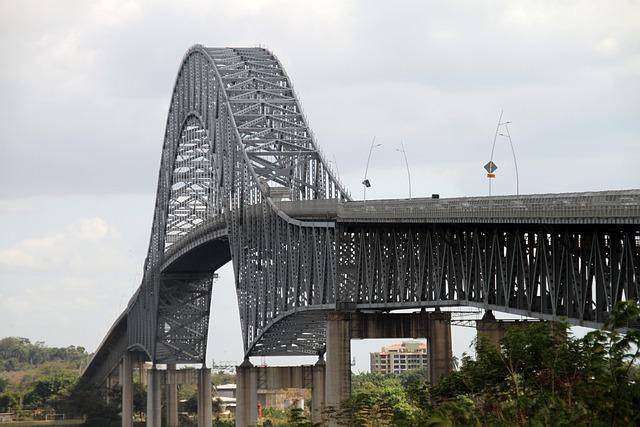
Panama Canal Imposes Initial Crossing Restrictions Amid Ongoing Drought
In response to severe drought conditions that have significantly reduced water levels, the Panama Canal Authority has announced initial crossing restrictions aimed at managing the vital waterway’s operational capacity. This crucial decision, reported by S&P Global, highlights the challenges faced by one of the world’s most important maritime trade routes. As shipping traffic continues to surge globally, the canal’s limitations raise concerns about potential delays and increased shipping costs, prompting stakeholders to evaluate the impacts on international trade dynamics. The restrictions, which mark a significant shift in canal operations, are expected to have widespread implications for global supply chains already under pressure.
Panama Canal Implements Initial Crossing Restrictions Impacting Global Trade Flow
The Panama Canal has initiated crossing restrictions, a move that is poised to significantly disrupt global trade dynamics. As water levels in Gatun Lake continue to drop, the Panama Canal Authority (ACP) has implemented guidelines aimed at managing the flow of vessels through this critical maritime passage. The restrictions are set to impact a broad spectrum of shipping operations, particularly affecting large container ships that rely on the canal for efficient transport between the Atlantic and Pacific Oceans.
Industry experts are raising concerns about the ripple effects of these restrictions on international supply chains. Among the primary implications are:
- Increased Transit Times: Vessels may face delays, leading to longer delivery schedules.
- Higher Shipping Costs: The added transit time and potential need for alternative routes could drive up logistics expenses.
- Trade Volume Decline: With restrictions in place, many exporters and importers may reconsider their shipping strategies, leading to a decrease in overall trade volume.
As the situation unfolds, shipping companies and stakeholders are closely monitoring the impacts of these restrictions and adjusting their operational strategies accordingly. The current measures represent a critical juncture for global maritime trade, one that underscores the necessity for adaptable logistics solutions in the face of environmental challenges.
Detailed Insights into the Rationale Behind the New Shipping Limitations
The recent decision by the Panama Canal Authority to implement initial crossing restrictions is primarily driven by a series of environmental and operational challenges facing the waterway. Factors such as prolonged drought conditions, which have significantly diminished water levels in the canal, necessitate these restrictions to optimize the flow of traffic and conserve vital resources. The move is expected to impact shipping schedules and freight costs, as vessels must now adhere to more stringent guidelines regarding size and cargo capacity. As maritime trade relies heavily on this crucial passage, stakeholders are assessing the implications carefully.
In conjunction with these environmental concerns, the Panama Canal Authority aims to ensure the safe navigation of vessels through the canal’s narrowest segments, where larger ships previously posed a risk to infrastructure integrity. The restrictions could lead to a potential shift in shipping routes, with companies needing to evaluate alternative paths or adjust their logistical operations. Consequently, industry experts predict a ripple effect on global supply chains, emphasizing the importance of adaptability in the current maritime landscape. Stakeholders need to stay informed about ongoing developments to effectively mitigate risks and capitalize on emerging opportunities.
Recommendations for Shipping Industry Stakeholders Amidst Canal Operational Changes
As the Panama Canal implements initial crossing restrictions, stakeholders in the shipping industry must adapt their strategies to navigate the changing landscape. Shipowners and operators should consider the following actions:
- Evaluate alternative routes: Explore options beyond the Panama Canal to mitigate disruptions and downtime.
- Adjust logistics planning: Reassess supply chain management to account for potential delays due to the restrictions.
- Enhance communication: Maintain open lines with shipping organizations and local authorities for updates on operational changes.
Additionally, cargo owners and logistics companies should focus on strategic planning to minimize the impact of these changes. Recommended steps include:
- Optimize inventory levels: Ensure adequate stock to handle delays in shipments without impacting service delivery.
- Diversify sourcing strategies: Consider alternative suppliers or production locations to reduce dependency on affected routes.
- Invest in technology: Leverage data analytics and real-time tracking systems to monitor shipping statuses and adjust plans on the fly.
| Stakeholder Group | Action Needed |
|---|---|
| Shipowners | Explore alternative routes and adjust schedules |
| Cargo Owners | Optimize inventory and diversify sourcing |
| Logistics Companies | Enhance communication with partners and clients |
To Wrap It Up
In conclusion, the Panama Canal’s recent decision to impose initial crossing restrictions marks a significant shift in operations, reflecting the ongoing challenges posed by climate conditions and increased maritime traffic. As stakeholders in the shipping industry assess the implications of these measures, the broader effects on global trade routes, shipping costs, and supply chain dynamics remain to be fully realized. Industries and governments will need to adapt to the evolving landscape as they navigate the complexities introduced by this pivotal maritime artery. As the situation develops, S&P Global will continue to provide updates and analyses on how these restrictions affect the global shipping environment and economic activities worldwide.

