

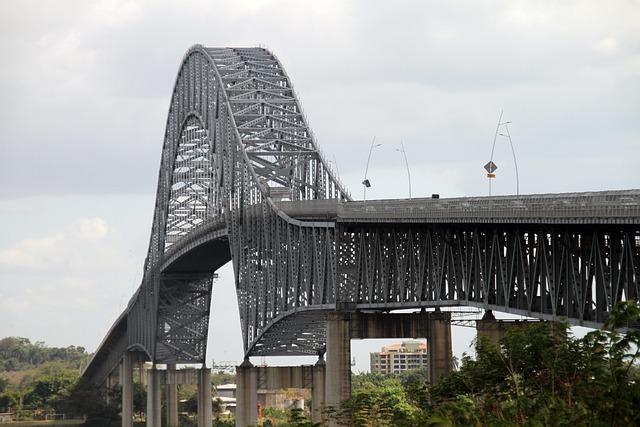
In recent months, the Panama Canal has emerged as a focal point in the discourse surrounding U.S. relations with China, raising significant questions about sovereignty and national security. As the Biden administration navigates a complex geopolitical landscape, the rhetoric surrounding the canal has intensified, testing the narrative established during the Trump era of a rising Chinese influence in Latin America. This article explores how the canal, a critical maritime conduit, is at the heart of a larger debate over American hegemony, China’s strategic ambitions, and the implications for regional sovereignty. With voices from both sides of the political spectrum weighing in, the discourse not only underscores the canal’s strategic importance but also reflects broader concerns over global power dynamics and the future of U.S. foreign policy in Latin America.
Examining the Panama Canal as a Strategic Asset in U.S.-China Relations
The Panama Canal has resurfaced as a focal point in the discourse surrounding U.S.-China relations, especially as both nations vie for global influence. As a strategic maritime shortcut, the canal significantly reduces shipping time between the Atlantic and Pacific Oceans, making it a vital artery for international trade. Recent developments have raised concerns about China’s growing presence in the region, particularly its investments in Latin America and potential agreements that might grant it greater access or control over key infrastructure. This dynamic has sparked a debate highlighting sovereign interests and national security implications for the United States. Analysts suggest that a proactive approach is necessary to protect U.S. interests in the canal’s operations and ensure that it remains a neutral passage, free from geopolitical manipulation by foreign powers.
Key factors influencing the strategic importance of the Panama Canal include:
- Trade Volume: Over 6% of global maritime trade flows through the canal.
- China’s Investments: Increase in financing for infrastructure projects in Latin America heightens U.S. concerns.
- Military Considerations: The canal serves as a logistical hub for naval operations, enhancing military readiness.
Considering these factors, the U.S. must navigate a complex landscape where asserting sovereignty while maintaining regional partnerships becomes increasingly challenging. As rhetoric intensifies, the implications of the Panama Canal’s role in international politics will likely echo across various sectors, reshaping alliances and influence in the years to come.
Implications of Sovereignty Rhetoric on Latin American Diplomacy
The recent rhetoric surrounding sovereignty related to the Panama Canal has significant ramifications for the landscape of Latin American diplomacy. As countries in the region navigate the complexities of global power dynamics, particularly with the rising influence of China, the discourse around national sovereignty serves as both a unifying theme and a source of contention. Leaders are increasingly asserting their autonomy, often invoking historical narratives to reclaim agency, which creates a nuanced environment where foreign policy decisions are critically assessed in light of national pride and international relations. This heightened focus on sovereignty may lead to a reassessment of bilateral agreements and multilateral engagements, compelling nations to weigh their strategic partnerships against perceptions of dependence or loss of agency.
Furthermore, the implications of this sovereignty rhetoric extend beyond mere political statements. They impact economic partnerships, trade negotiations, and military alliances. As nations reinforce their positions, they may adopt strategies that prioritize national interests over global integration, leading to potential shifts in trade flows and investment strategies. For instance, the following trends can be observed:
| Trend | Potential Impact |
|---|---|
| Increased Nationalism | Stronger protections for local industries |
| Reassessment of Trade Agreements | Possibly renegotiated terms favoring sovereignty |
| More Regional Alliances | Enhanced solidarity against external influences |
These shifting paradigms are already influencing how governments respond to foreign investments and influence from superpowers like the United States and China. Leaders are challenged to articulate a balanced posture that acknowledges geopolitical realities while upholding the sovereignty narrative that resonates with their constituencies. This duality not only reshapes diplomatic dialogue in Latin America but also redefines alliances, as the region seeks to assert its place on the global stage amidst competing interests.
Recommendations for Navigating Tensions in Trade and Security Affairs
As tensions escalate in the Panama Canal due to shifting geopolitical interests, it is crucial for stakeholders to adopt strategies that mitigate conflicts in trade and security affairs. To manage these dynamics effectively, engagement and dialogue should be prioritized among involved nations, ensuring that communication channels remain open. Building multilateral coalitions could also help address shared concerns, allowing parties to align their interests while navigating the complexities of sovereignty politics.
Additionally, fostering transparency in operations and agreements throughout the canal can build trust and decrease misunderstandings. Implementing joint security initiatives might also pave the way for collaborative problem-solving, encouraging countries to work together toward common goals rather than allowing the situation to deteriorate into adversarial stances. It is vital to remain proactive and flexible, as the political landscape continues to evolve in response to both regional and global pressures.
To Wrap It Up
In conclusion, the Panama Canal rhetoric illustrates the intricate balancing act that exists between national sovereignty and geopolitical influence, particularly in the context of U.S.-China relations. As tensions escalate over trade and strategic dominance, the Canal has emerged as a flashpoint for larger discussions regarding sovereignty and the implications of foreign engagements in Latin America. By analyzing the narratives surrounding the Canal, we can better understand how these political discourses play into the broader framework of America’s foreign policy and its ongoing struggle to maintain influence in a multipolar world. As events unfold, the implications of this rhetoric will undoubtedly reverberate throughout the region and beyond, prompting critical examination of how sovereignty is constructed and contested in an age of global interdependence and competition. As the conversation continues, it remains essential for policymakers and voters alike to navigate these complex dynamics with clarity and foresight.

