

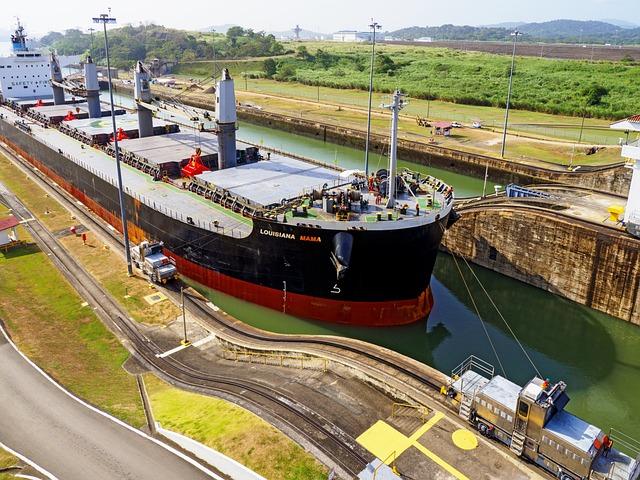
In a rapidly evolving geopolitical landscape, tensions between Panama and the United States are reaching a boiling point, primarily fueled by growing Chinese investment in the region and escalating visa threats from Washington. The Central American nation, which has historically navigated a delicate balance between its powerful neighbors, is now finding itself at the center of a contentious debate over economic alliances and national security. As both countries engage in a war of words and strategic maneuvering, the implications of this escalating conflict could have far-reaching effects not only for Panama but also for the broader dynamics of international relations in Latin America. This article delves into the underlying factors contributing to these tensions, examining the stakes for both nations and the potential consequences for the future of Panama’s foreign policy.
Panama Navigates a Fine Line Amid Growing US Concerns Over Chinese Influence
As Panama seeks to balance its relationships with two global superpowers, the rising U.S. concerns regarding Chinese investment have begun to shape its diplomatic landscape. With recent investments from Chinese enterprises pouring into critical infrastructure, such as ports and technology, the Panamanian government finds itself at a crossroads. The geopolitical tug-of-war has heightened scrutiny from Washington, prompting officials to consider the implications of foreign investment and its potential to influence regional security and economic dependencies. U.S. officials have issued warnings of potential visa restrictions for Panamanian officials linked to these Chinese projects, further complicating Panama’s delicate position.
In light of U.S. warnings, Panama’s administration must navigate a series of challenges, aiming to maintain economic growth while also preserving its strategic independence. Key factors influencing this navigate include:
- Economic Dependency: The reliance on foreign investments for infrastructure development.
- Political Pressure: The need to respond to U.S. concerns without alienating China.
- Public Sentiment: Balancing domestic views on foreign influence and sovereignty.
As these dynamics unfold, Panama is likely to explore opportunities for dialogue with both powers, seeking assurances that its interests remain a priority. The outcome of this delicate balancing act could have broad implications not only for Panama’s economic future but also for its strategic positioning in an increasingly polarized global landscape.
Strategic Shifts: Implications of Visa Threats on Panama’s Investment Climate
In recent months, escalating tensions between the United States and Panama over increasing Chinese investment have raised significant concerns regarding the future landscape of Panamanian foreign investments. The potential introduction of visa restrictions as a response to this geopolitical friction threatens to create an uncertain environment for both international and local investors. Key implications include:
- Reduced Foreign Interest: Heightened scrutiny may deter foreign investors wary of potential backlash from U.S. policy changes.
- Increased Compliance Costs: New regulations could lead to rising operational costs for businesses aiming to navigate a more complex legal framework.
- Shifts in Investment Focus: Investors might pivot towards sectors with less geopolitical risk, skewing investment towards traditional industries rather than emerging markets.
Moreover, the heightened focus on visa threats could alter the competitive landscape within Central America. Countries with more stable diplomatic relations may emerge as more attractive destinations for investment. Stakeholders in Panama must be cognizant of these shifts and adapt their strategies accordingly. Below is a summary of potential shifts and their implications:
| Potential Shift | Implications |
|---|---|
| Trade Partnerships | Investors may seek alternative partners, reducing reliance on U.S. connections. |
| Market Diversification | Increased push towards diversifying investment portfolios across the region. |
| Regulatory Changes | Potential increases in regulations aimed at controlling foreign investments could emerge. |
Recommended Diplomatic Pathways for Balancing US Relations and Chinese Investments
Amid rising tensions, the United States and Panama must explore diplomatic pathways to effectively manage the juxtaposition of U.S. interests with Chinese investments in the region. Engaging in collaborative talks is crucial, focusing on bilateral agreements that bolster economic ties while simultaneously addressing security concerns related to Chinese involvement. This can include:
- Enhanced Economic Dialogue: Open forums where government officials can discuss mutual benefits and concerns regarding investments.
- Joint Ventures and Projects: Promote partnerships in infrastructure and technology that align with both U.S. and Panamanian interests, minimizing reliance on Chinese funding.
- Knowledge Sharing: Establish programs that allow for the exchange of information on investment risks and best practices for foreign investment management.
Further, Panama could benefit from a strategic alignment that emphasizes regional cooperation among Central American nations. Developing a cohesive economic strategy can reassure both the U.S. and wary investors of the integrity of Panama’s investment environment. A proposed framework could include:
| Proposed Initiatives | Expected Outcomes |
|---|---|
| Regional Investment Guide | Informed investment decisions promoting local development. |
| Infrastructure Security Protocols | Increased confidence for foreign investors. |
| Regular Economic Review Meetings | Adaptable policies responsive to market dynamics. |
In Retrospect
As tensions between Panama and the United States rise amidst concerns over Chinese investments and potential visa threats, the implications of this unfolding situation are poised to reverberate beyond the region. The delicate balance of international relations, economic partnerships, and national security is being tested as both countries navigate an increasingly complex geopolitical landscape. Stakeholders from various sectors are closely monitoring the developments, aware that the outcomes could redefine Panama’s positioning on the global stage and its relationship with major powers. As the dialogue continues, it remains to be seen how these challenges will shape the future of Panamanian leadership and influence in Central America. For now, the world watches closely as both nations brace for what might come next.

