

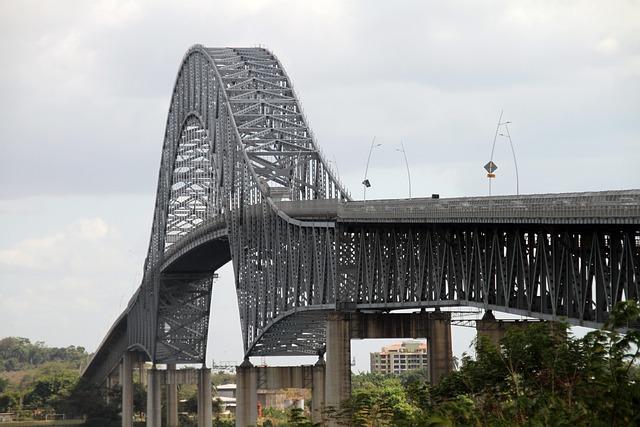
All Hail the Panama Canal: A Strategic Frontline in the US-China Trade War
As geopolitical tensions escalate and global trade dynamics shift, the Panama Canal has emerged as a crucial battleground in the ongoing US-China trade war. Once a marvel of engineering that revolutionized maritime trade routes, the canal now finds itself at the center of a larger narrative encompassing economic rivalry, strategic posturing, and the quest for influence in Latin America. The strategic significance of the canal has intensified, making it a focal point for both American and Chinese interests. This article delves into the intricate relationship between the Panama Canal and the trade tensions that have defined recent years, highlighting the implications for global commerce and the broader geopolitical landscape. With both nations vying for economic superiority, the stakes at the Panama Canal are higher than ever, signaling a new chapter in international trade relations.
The Strategic Importance of the Panama Canal in Global Trade Dynamics
The Panama Canal has emerged as a critical asset in the ongoing US-China trade war, underscoring its strategic importance in global trade dynamics. This vital waterway facilitates the transit of billions of dollars worth of goods annually, providing the shortest maritime route between the Atlantic and Pacific Oceans. As tensions escalate between the two superpowers, control over shipping routes has taken on a new significance, prompting both countries to reassess their logistics and supply chain strategies. The canal’s ability to significantly reduce travel time and fuel costs makes it an indispensable hub for international shipping, impacting everything from consumer goods to industrial machinery.
Moreover, the geopolitical implications of the canal extend beyond just shipping efficiency. With the increase in tariffs and restrictions on trade between the US and China, companies are strategically rerouting their shipments to optimize costs and reduce delays. Key factors influencing this shift include:
- Increased Security Measures: Heightened scrutiny of shipments adds layers of complexity to the transportation process.
- Cost Efficiency: Rerouting can significantly impact the overall cost of goods, affecting market prices.
- Alternative Routes Analysis: The viability of other shipping lanes is being evaluated as tensions rise.
In the face of these challenges, the Panama Canal remains a linchpin in global supply chains, demonstrating its resilience and adaptability. As trade routes evolve and new alliances are formed, the canal stands ready to play a pivotal role in shaping the future landscape of international commerce.
Analyzing the Impact of US-China Relations on Maritime Trade Routes
The shifting tides of US-China relations have significant implications for global maritime trade, with the Panama Canal emerging as a vital artery in this geopolitical landscape. As both nations vie for economic supremacy, the strategic importance of the canal cannot be overstated. With approximately 14,000 vessels passing through the canal annually, the route serves as a gateway for a substantial percentage of US-China cargo, highlighting its role as a frontline in their ongoing trade skirmish. Key elements affecting this dynamic include:
- Tariffs and Trade Policies: Heightened tariffs can reroute shipping lanes, affecting traffic through the canal.
- Military Presence: Increased naval activity in the region may deter shipping and raise concerns for commercial operations.
- Investment in Alternatives: China’s Belt and Road Initiative is bolstering trade routes bypassing traditional paths, potentially diminishing the canal’s importance.
Moreover, shifts in trade dynamics can lead to ripple effects across the global economy. The adoption of new technologies and logistics strategies, driven by the need to navigate these challenges, underscores the transformation of maritime trade. To illustrate the current trade flow, here is a simple overview of key trades between the two nations:
| Commodity | US Exports to China | China Exports to US |
|---|---|---|
| Soybeans | 60 million tons | Electronics |
| Aircraft | 15 billion USD | Textiles |
| Automobiles | 10 billion USD | Machinery |
Future Considerations for Navigating the Panama Canal Amid Geopolitical Tensions
As the geopolitical landscape shifts, particularly amid rising tensions between the U.S. and China, the Panama Canal remains a critical artery for global trade. Stakeholders must consider various factors when navigating this pivotal route. First and foremost, logistical adjustments may be necessary to accommodate the expected increase in cargo volume resulting from altered trade routes. Key considerations include:
- Shipping Costs: Companies might face fluctuating tariffs or increased shipping fees.
- Capacity Management: Port authorities need to optimize operations to manage peak traffic effectively.
- Geopolitical Monitoring: Continuous assessment of international relations will be essential for timely navigation decisions.
Moreover, technological advancements and infrastructure developments will play a critical role in adapting to these changing dynamics. Investment in sustainable technologies and smart navigation systems can enhance the efficiency of canal operations. A potential focus area includes:
| Area of Focus | Benefits |
|---|---|
| Environmental Sustainability | Reduced emissions and compliance with global regulations. |
| Automated Navigation | Increased safety and efficiency in the transit process. |
| Enhanced Communication | Improved coordination among shipping companies and authorities. |
To Conclude
In conclusion, the Panama Canal stands not merely as a vital artery for global trade but increasingly as a battleground in the complex geopolitical chess game between the United States and China. As both nations vie for dominance in supply chain logistics and strategic economic influence, the canal’s role has evolved, highlighting its significance beyond mere transportation. The developments surrounding this crucial waterway will undoubtedly continue to shape international trade dynamics, making it imperative for stakeholders to closely monitor how these tensions unfold. As we move forward, all eyes will be on the Panama Canal, a symbol of both opportunity and contention in a rapidly changing global landscape.

