

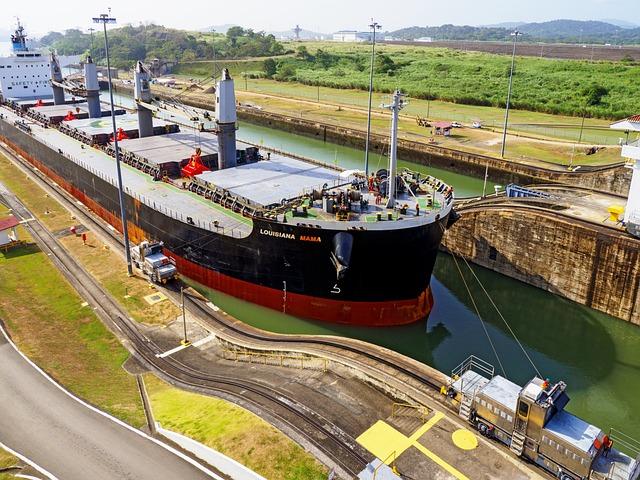
Panama Leads Infrastructure Tenders Across Central America and the Caribbean
In a significant development for regional infrastructure, Panama has emerged as a frontrunner in public works tenders across Central America and the Caribbean, outpacing its neighbors in both investment and project volume. According to the latest report by BNamericas, the country’s robust pipeline of infrastructure projects underscores its commitment to enhancing connectivity and economic growth. With a strategic geographic location and a government keen on modernization, Panama is attracting both domestic and international investors eager to partake in its burgeoning construction landscape. As nations in the region grapple with aging infrastructure and increasing demands for modernization, Panama’s aggressive approach could set a benchmark for others, signaling a shift in how regional infrastructure projects are conceptualized and executed. This article explores the factors driving Panama’s lead in infrastructure tenders, the implications for regional development, and what this means for investors looking to capitalize on upcoming opportunities.
Panama Emerges as a Key Player in Infrastructure Development Across Central America and the Caribbean
In a significant shift towards regional leadership, Panama is becoming a cornerstone of infrastructure advancement in Central America and the Caribbean. The country has ramped up its infrastructure tenders in various sectors, including transportation, energy, and urban development. With a strategic geographic location and a strong economic framework supported by the Panama Canal, the nation is poised to attract both public and private investments. Key projects, such as the expansion of highways and modernization of ports, are expected to facilitate trade and improve connectivity across borders, fostering economic growth throughout the region.
Moreover, Panamanian government initiatives have streamlined the bidding and procurement processes, making it more accessible for foreign companies to participate. These steps include:
- Encouraging local partnerships: Joint ventures with local firms enhance trust and streamline operations.
- Digital platforms: Implementation of online tendering systems to increase transparency and efficiency.
- Focus on sustainability: Priority given to environmentally friendly projects that align with international standards.
This proactive approach has resulted in increased competition and innovation, contributing to Panama’s growing reputation as the go-to hub for infrastructure development in the region.
Analyzing the Strategic Benefits of Infrastructure Tenders in Panama’s Economic Growth
As Panama continues to attract substantial investments in infrastructure, the nation’s strategic approach to tendering is becoming a focal point for enhancing its economic landscape. The government’s emphasis on transparency, efficiency, and competition in the tendering process not only streamlines project execution but also encourages foreign investment. This proactive strategy has positioned Panama as a leader in infrastructure development across Central America and the Caribbean, promising a multiplier effect on local economies through job creation and increased trade connectivity.
The ripple effect of these infrastructure tenders is significant, fostering an ecosystem of local suppliers and service providers that thrive as major projects commence. A diversified range of sectors stands to benefit, including construction, logistics, and technology. The collaborative efforts among public and private stakeholders enhance innovation and sustainability, ultimately leading to robust economic growth. Key areas of focus in recent tenders include:
- Transportation: Expansion of roads and public transit systems
- Energy: Development of renewable energy facilities
- Utilities: Improvement of water and sanitation services
| Infrastructure Sector | Investment ($ million) | Expected Completion |
|---|---|---|
| Transportation | 300 | 2024 |
| Energy | 150 | 2025 |
| Utilities | 200 | 2023 |
Expert Recommendations for Investment Opportunities in Panama’s Infrastructure Sector
As Panama continues to emerge as a leader in infrastructure development within Central America and the Caribbean, investment opportunities abound, particularly in sectors integral to the nation’s growth. Industry experts recommend focusing on public-private partnerships (PPPs), which are becoming increasingly popular for large-scale projects. These collaborations not only mitigate risks for private investors but also enhance efficiency in execution. Key areas to explore include:
- Transportation Infrastructure: Expansion of roads, railways, and ports to support trade.
- Renewable Energy Projects: Investments in solar and wind energy to meet rising demand.
- Water Management Systems: Enhancing water supply and sewage treatment facilities.
Additionally, leveraging insights from ongoing tenders can provide a strategic advantage. Experts suggest monitoring government announcements and participating in sector forums to stay updated on upcoming opportunities. For a clearer understanding, refer to the table below showcasing selected recent tenders and their potential appeal for investors:
| Project Name | Sector | Estimated Value (USD) | Deadline |
|---|---|---|---|
| Panama City Metro Expansion | Transportation | $500 million | December 2023 |
| Chiriquí Hydroelectric Plant | Energy | $300 million | January 2024 |
| Sanitation Improvement Project | Water Management | $150 million | March 2024 |
Key Takeaways
In conclusion, Panama’s position as a leader in infrastructure tenders across Central America and the Caribbean underscores its pivotal role in regional development and economic growth. With its strategic investments and a commitment to enhancing connectivity and public services, the country is not only attracting international attention but also setting a benchmark for neighboring nations. As the demand for improved infrastructure continues to rise, Panama’s initiatives are likely to inspire similar projects throughout the region, potentially reshaping the economic landscape of Central America and the Caribbean for years to come. As stakeholders monitor these developments, the focus will remain on how these infrastructure advancements will impact the broader socio-economic fabric of the region.

