

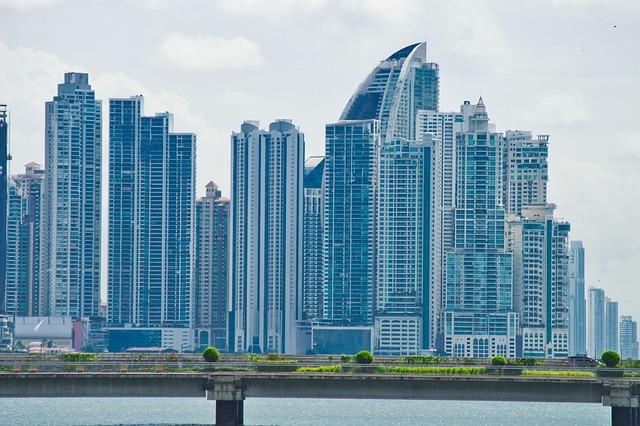
In the wake of significant political upheaval in Venezuela, the fall of Nicolás Maduro’s regime has rekindled memories of a pivotal moment in Central American history-the U.S. invasion of Panama in 1989. As the region closely watches the implications of a potential shift in power dynamics, echoes of past interventions loom large over contemporary discussions. For many Panamanians, the scars of the invasion, which sought to depose General Manuel Noriega, serve as a stark reminder of foreign intervention’s complex legacy. In this article, we explore how the current events in Venezuela resonate with historical sentiments in Panama, shedding light on the intertwining narratives of sovereignty, intervention, and the long-lasting impacts of U.S. foreign policy in Latin America.
Reflections on Historical Interventions in Latin America
The geopolitical landscape of Latin America has long been shaped by foreign interventions, with the 1989 U.S. invasion of Panama standing as a stark reminder of the complexities involved. As the fall of Nicolás Maduro in Venezuela echoes this historical intervention, it raises critical questions about the efficacy and ethics of American influence in the region. The consequences of military actions are often profound, affecting not only the immediate political landscape but also the societal fabric of the countries involved. Key factors surrounding the 1989 invasion included:
- Strategic Interests: Ensuring control over the Panama Canal, a vital shipping route.
- Humanitarian Concerns: Aimed at overthrowing Manuel Noriega, whose regime was increasingly seen as dictatorial.
- Civilian Impact: Reports of significant civilian casualties that sparked debates about the morality of such interventions.
Reflections on these interventions often highlight the duality of intentions versus outcomes. While the U.S. intervention in Panama was framed as a necessary action to restore democracy, the long-term ramifications have led to persistent instability and mistrust of American motives in Latin America. This reflection is particularly relevant in light of current events as nations in the region grapple with their sovereignty and the lingering shadows of past U.S. actions. A comparative look at interventions might include:
| Year | Country | Outcome |
|---|---|---|
| 1989 | Panama | Noriega falls, U.S. establishes military presence. |
| 2003 | Iraq | Regime change, ongoing conflict and instability. |
| 2011 | Libya | Overthrow of Gaddafi, chaos and civil war ensue. |
Implications of Maduro’s Collapse for Regional Stability
The potential collapse of Nicolás Maduro’s regime in Venezuela carries far-reaching implications for regional stability in Latin America. As the political landscape shifts, neighboring countries may experience a surge in both migration and economic activity as Venezuelans seek refuge or opportunities beyond their borders. Key factors to consider include:
- Migration Crisis: An influx of Venezuelan migrants could place additional strain on already pressured economies in Colombia, Brazil, and other neighboring nations, echoing the waves of migration seen in other crisis contexts.
- Political Realignment: A power vacuum may lead to shifts in alliances and influence, with countries like Russia and China potentially losing leverage in the region.
- Economic Opportunities: The end of a regime marked by economic mismanagement could open doors for investment and reconstruction efforts, drawing international attention to Venezuela’s vast resources.
Moreover, the historical echoes of past military interventions linger heavily as memories of the U.S. invasion of Panama in 1989 resurface. This brings forth concerns about external involvement in Venezuela’s internal conflict, raising questions about sovereignty and the precedence of foreign intervention in Latin America. Responses from the international community will vary greatly, potentially compounding tensions. The following table illustrates the different possible reactions by various international powers:
| Country/Group | Potential Response |
|---|---|
| United States | Increased sanctions and support for opposition |
| Russia | Military support for Maduro’s regime |
| Brazil | Facilitation of humanitarian aid |
| European Union | Diplomatic engagement with regional partners |
Lessons from Panama’s Past for Future U.S. Foreign Policy
The tumultuous events surrounding the fall of Nicolás Maduro’s regime in Venezuela echo significant historical precedents in U.S. foreign policy, particularly the American intervention in Panama in 1989. This operation, justified under the guise of protecting U.S. citizens and restoring democracy, highlights the complexities and consequences of military interventions. As the U.S. grapples with its stance towards Latin America, reflecting on this pivotal moment provides crucial insights. Among these are:
- The need for a clear strategy: Successful interventions often stem from well-defined objectives.
- The impact of local agency: Engaging with local political dynamics can enhance the effectiveness of foreign aid and support.
- The importance of multilateral approaches: Working with international partners can legitimize actions and share the burden of responsibility.
Furthermore, the international backlash observed after the Panamanian invasion serves as a reminder of the potential for long-lasting diplomatic rifts. As the Biden Administration navigates its approach to potential changes in Venezuela, acknowledging the historical consequences of unilateral action is critical. To contextualize these lessons, the following table outlines key aspects of U.S. interventions in the Americas, drawing parallels to Panama’s intervention:
| Event | Year | Justification | Outcome |
|---|---|---|---|
| Panama Invasion | 1989 | Restoration of democracy | End of Noriega’s regime, but regional distrust |
| Vietnam War | 1955-1975 | Containment of communism | Prolonged conflict, significant loss of life |
| Chilean Coup | 1973 | Anti-communism efforts | Establishment of authoritarian regime, long-term instability |
In Conclusion
As Panama reflects on the recent political shifts in Venezuela following the fall of Nicolás Maduro, the echoes of its own tumultuous past resonate strongly. The 1989 US invasion, a pivotal moment in Panamanian history, continues to shape national identity and international relations. With regional dynamics shifting and memories of military intervention resurfacing, observers are left to ponder the implications for both countries and the broader Latin American landscape. As Panama navigates its future, the lessons of history remain a critical lens through which to view the evolving political landscape in the region. The unfolding story serves as a reminder of the complexities of intervention, sovereignty, and the quest for democratic governance in a world still grappling with the legacies of its past.

