

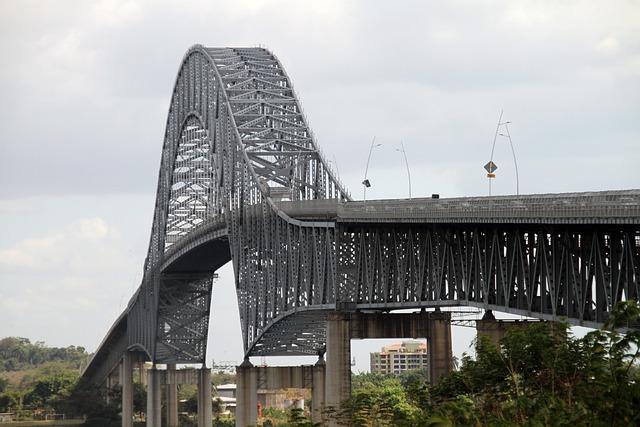
In a significant shift in its maritime strategy, Panama has canceled a controversial port deal with a Chinese firm, redirecting its focus toward established global shipping leaders Maersk and Mediterranean Shipping Company (MSC). This decision, announced amidst rising geopolitical tensions and concerns over foreign influence in critical infrastructure, reflects Panama’s commitment to bolstering its canal operations while aligning more closely with Western shipping interests. The move underscores the implications of shifting alliances in international trade, as Panama navigates its role within the evolving landscape of global commerce. This article explores the background of the canceled deal, the strategic partnership with Maersk and MSC, and the potential repercussions for Panama’s economy and international relations.
Panama Shifts Strategic Partnerships by Ending China-Linked Port Agreement
In a significant pivot in its foreign relations and economic strategy, Panama has terminated its agreement with a Chinese company overseeing the development of a crucial port. This decision marks a departure from previous engagements with China, allowing for a realignment of Panama’s international partnerships. The move is seen as an effort to strengthen ties with Western shipping giants Maersk and Mediterranean Shipping Company (MSC), who are set to take control of the terminals. This shift underscores Panama’s intention to enhance its strategic alliances and secure its position in global maritime commerce.
The implications of this decision are far-reaching, affecting not only Panama’s economy but also the balance of power in the shipping industry. By transitioning to partnerships with Maersk and MSC, Panama aims to attract enhanced investments and improve service efficiency in its canal operations. The following factors highlight the significance of this strategic shift:
- Enhanced Efficiency: Collaboration with established global leaders in shipping may lead to improved operational capabilities.
- Economic Opportunities: The transition is likely to create new jobs and stimulate local business around the canal.
- Geopolitical Realignment: This move reflects a broader strategy to reduce dependence on China and foster relations with Western economies.
Impact of Canal Terminal Transfer to Maersk and MSC on Regional Trade Dynamics
The recent decision to hand over canal terminals to major shipping players Maersk and MSC marks a pivotal shift in the trade landscape of the region. By canceling the previous deal with China-linked operators, Panama is repositioning itself to enhance its strategic importance in global shipping. This move is expected to accelerate operational efficiencies and foster a more competitive environment, as Maersk and MSC are known for their robust logistical frameworks and innovative technologies. Consequently, regional ports may experience increased traffic and improved infrastructure investments, ultimately benefiting businesses reliant on smooth supply chain operations.
Furthermore, this transition could have significant implications for regional trade dynamics, influencing the flow of goods across several key markets. Stakeholders across various sectors are likely to adapt, seizing new opportunities and addressing challenges created by this shift. Enhanced collaboration between local businesses and these shipping giants may lead to strategic partnerships that leverage best practices and drive growth. With the stabilization of trade routes and the complementary capabilities of Maersk and MSC, we anticipate a more interconnected procurement landscape that could boost the economic prospects of Central America and beyond.
Recommendations for Strengthening Panama’s Maritime Infrastructure and Global Positioning
To enhance Panama’s maritime infrastructure and solidify its global positioning in the shipping and logistics sectors, several strategic recommendations should be pursued. First, the government must prioritize investment in modernizing the Panama Canal’s facilities to accommodate larger vessels and streamline operations. This includes:
- Upgrading navigation systems to improve safety and efficiency.
- Expanding port facilities to handle increased cargo volumes.
- Implementing green technologies to attract environmentally conscious shipping companies.
Furthermore, fostering partnerships with leading global shipping companies like Maersk and MSC can drive innovation and best practices in terminal operations. Developing a robust logistics network that connects the canal to key trade routes will bolster Panama’s role as a transshipment hub. Key actions should include:
- Building stronger rail and road connections to inland markets.
- Enhancing customs processes to reduce delays for international shipments.
- Promoting Panama as a logistics leader through targeted marketing campaigns.
Final Thoughts
In conclusion, Panama’s decision to cancel the controversial port deal with a Chinese firm marks a significant shift in its economic and geopolitical strategy. By entrusting its canal terminals to global shipping giants Maersk and MSC, the country aims to bolster its standing in international trade while aligning itself more closely with Western interests. This move not only underscores Panama’s sovereignty over its critical infrastructure but also reflects a broader trend of reevaluating foreign partnerships in the context of national security and economic stability. As the world watches closely, the implications of this decision will likely resonate throughout global supply chains and influence maritime trade dynamics for years to come.

