

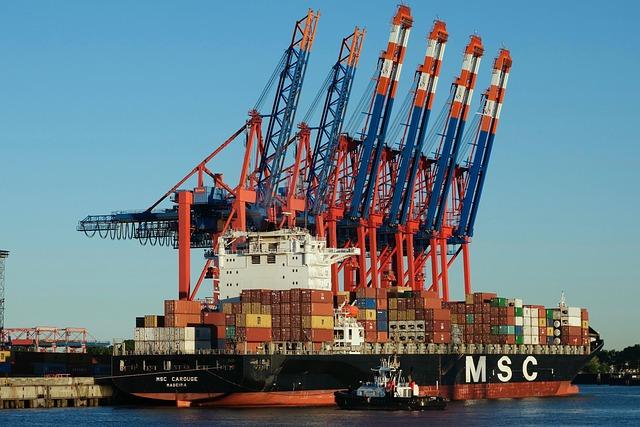
In a fiercely competitive global shipping landscape, U.S. companies face a significant hurdle in the bidding process for the expansion of Panama’s container terminal, a strategic hub for international trade. According to a recent report from FreightWaves, the bidding environment appears to be skewed against American firms, prompting concerns about their ability to compete effectively for such lucrative projects. The growing influence of foreign competitors and potential regulatory obstacles could further complicate the U.S. maritime industry’s participation in developments that are pivotal for enhancing connectivity between the Americas and global markets. As stakeholders closely monitor the evolving dynamics of this major infrastructure project, the implications for American businesses and the broader economy remain a critical topic of discussion.
U.S. Companies Face Challenges in Panama Container Terminal Bidding Process
Recent developments in Panama’s container terminal bidding process have raised concerns for U.S. companies seeking to expand their presence in Central America. Sources indicate that the bidding environment is increasingly skewed against American firms, presenting a series of hurdles that could limit their competitive edge. Key factors contributing to these challenges include:
- Regulatory Complications: U.S. companies face complex regulatory requirements that may not be as stringent for local firms.
- Political Favoritism: Allegations of preferential treatment toward local bidders can heavily influence the selection process.
- Financial Constraints: Higher financing costs associated with U.S. firms could deter them from competing effectively against local operators.
Moreover, the bidding process has been characterized by a lack of transparency, raising further concerns about fair competition. Analysts suggest that to level the playing field, U.S. stakeholders need to engage more actively in diplomatic discussions aimed at ensuring fair treatment for American entities. A breakdown of some of the core challenges is illustrated in the table below:
| Challenge | Description |
|---|---|
| Regulatory Hurdles | Strict compliance requirements that favor local participants |
| Political Influence | Local firms reportedly receive preferential bidding advantages |
| Cost of Entry | U.S. companies face higher financial burdens than their local counterparts |
Evaluating the Competitive Landscape and Strategic Implications for U.S. Firms
As the bidding process for the Panama container terminal unfolds, U.S. firms are facing an increasingly competitive landscape that poses significant strategic challenges. With a focus on this pivotal location, several factors are influencing the competitive dynamics, including:
- Foreign Investment: Strong interest from international players, particularly from China, is escalating the competition for key logistics assets.
- Infrastructure Development: Ongoing enhancements at the Panama Canal are attracting firms that aim to capitalize on expanded capacity, leading to heightened rivalry.
- Economic Considerations: Varied investment incentives and regulatory environments are compelling U.S. companies to rethink their global strategies.
Additionally, the implications for U.S. firms extend beyond immediate bidding outcomes. The strategic positioning of American companies in such ventures is crucial for future competitiveness in international trade. A breakdown of the current environment reveals:
| Factor | Impact on U.S. Firms |
|---|---|
| Investment Climate | Potential shifts may favor alternative international investors. |
| Logistical Networks | Dependency on regional logistics efficiency may increase costs and delays. |
| Innovation and Technology | Pressure to adopt advanced technologies to remain competitive. |
Recommendations for U.S. Companies to Enhance Success in International Bidding
To navigate the challenges presented by international bidding processes, U.S. companies should adopt strategic practices that enhance their competitiveness. Emphasizing local partnerships can significantly improve trust and transparency with foreign stakeholders. Engaging with regional firms not only provides valuable insights into local norms and expectations but also strengthens the bidding proposal by showcasing a commitment to the community. Additionally, U.S. companies should consider investing in legal and compliance expertise to better understand the regulatory landscape of the host country, minimizing risks associated with international contracts.
Furthermore, it is advisable for companies to utilize advanced technology to streamline operations and enhance service offerings. This includes leveraging data analytics to assess pricing strategies and market demands effectively. Establishing a robust communication strategy that articulates the company’s value proposition in relatable terms will also resonate more with local decision-makers. By focusing on fostering innovation and sustainability in their bids, U.S. firms can differentiate themselves from competitors, ultimately increasing their chances of securing contracts in international arenas.
The Way Forward
In conclusion, the bidding landscape for the Panama container terminal presents significant challenges for U.S. companies, as highlighted by insights from FreightWaves. With strategic advantages favoring international bidders and regulatory hurdles complicating the process, American firms may find themselves at a competitive disadvantage. As global supply chains continue to evolve, the outcomes of these bidding processes could have far-reaching implications for trade dynamics and the accessibility of key shipping routes in the Central American region. Stakeholders in the logistics and shipping industries will be closely monitoring developments as the situation unfolds, wary of the potential shifts in power and opportunity within the maritime sector.

