

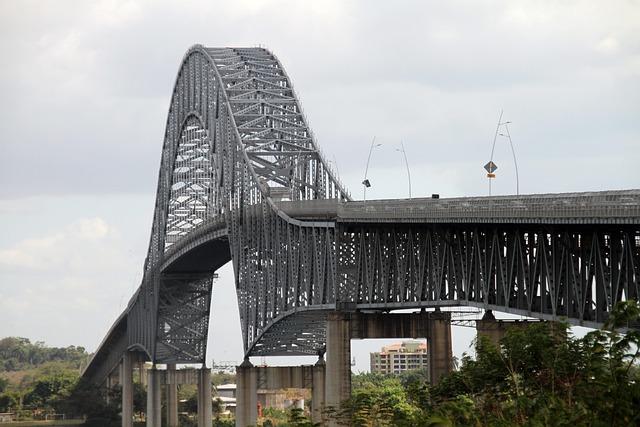
Title: Panama Canal Port Control: A Crucial Factor in U.S. Security, Experts Warn
In the intricate web of global trade and strategic geopolitics, the Panama Canal stands out as a pivotal artery that connects the Atlantic and Pacific oceans, facilitating the swift movement of goods and resources. Yet, as recent discussions unveil, control over the canal’s ports is not just an economic concern; it is increasingly viewed as a critical factor in U.S. national security. According to experts analyzing the geopolitical landscape, the dynamics surrounding the Panama Canal port operations could shape U.S. security strategies in profound ways. In this article, we delve into their insights to understand how shifts in control and influence over this maritime gateway could impact the broader security framework of the United States.
Panama Canal Strategic Importance and its Impact on US Security
The strategic significance of the Panama Canal extends far beyond mere maritime logistics; it serves as a critical artery that influences global trade routes and national security dynamics. As a central node in international shipping, the canal facilitates the passage of vessels between the Atlantic and Pacific Oceans, drastically reducing travel time and costs. Control over the canal not only bolsters economic interests but also enhances the military readiness of nations, particularly the United States. The ability to swiftly move naval assets between oceans during times of crisis underscores the canal’s role as a linchpin in safeguarding maritime supremacy. Experts emphasize that maintaining influence in the region is essential for the U.S. to uphold its commitments to allies and deter adversarial actions.
Moreover, the geopolitical landscape surrounding the Panama Canal is marked by increasing competition from regional powers. The potential for adversaries to establish footholds or gain influence over the canal poses a significant challenge to U.S. security interests. Experts highlight several factors that contribute to this evolving threat landscape, including:
- Investment by China: Significant Chinese investment in Panama raises concerns regarding strategic encroachments.
- Regional alliances: Strengthening ties between Panama and other nations could shift the balance of power.
- Environmental and economic vulnerabilities: Climate change and economic instability can impact canal operations, affecting U.S. interests.
In light of these dynamics, the U.S. must remain vigilant and proactive in its approach to the Panama Canal, ensuring that its influence persists in a rapidly changing geopolitical environment.
Expert Insights on Maritime Trade Routes and National Defense
The control of key maritime trade routes, particularly the Panama Canal, plays a crucial role in shaping U.S. national security strategy. With a significant portion of global trade passing through this vital waterway, its strategic importance cannot be overstated. Experts emphasize that maintaining a robust military presence in the region ensures the protection of these trade lanes from potential threats, which range from piracy to geopolitical tensions. The U.S. Navy’s ability to rapidly deploy forces has been pivotal in safeguarding access to the canal, thereby reinforcing economic stability and national security.
Moreover, the dynamics of international trade are increasingly influenced by China’s rising maritime ambitions. Analysts highlight that while the Panama Canal facilitates efficient passage for American exports, it also serves as a gateway for foreign adversaries to extend their influence. Key implications include:
- Increased Surveillance: Investing in advanced surveillance technology is essential for monitoring suspicious activities.
- Alliances and Partnerships: Strengthening ties with Latin American nations enhances cooperative defense efforts.
- Infrastructure Investments: Upgrading canal facilities can deter threats and ensure uninterrupted trade flow.
| Trade Route | Security Challenge | Strategic Response |
|---|---|---|
| Panama Canal | Piracy | Increased naval patrols |
| South China Sea | Territorial disputes | Diplomatic negotiations |
| Suez Canal | Terrorism | Vigilant monitoring |
Recommendations for Strengthening US Control Over Panama Canal Operations
Strengthening US oversight of Panama Canal operations is essential for enhancing national security and ensuring maritime trade stability. Experts suggest several critical actions to bolster control, including establishing stronger bilateral agreements with Panama to promote transparency and cooperation. These agreements could focus on shared security initiatives that address potential threats to the canal, such as piracy and geopolitical tensions in Latin America. Additionally, investing in advanced monitoring technologies would allow real-time assessment of maritime activities, ensuring swift responses to any irregularities or emergencies.
Moreover, fostering strategic partnerships with international shipping companies can further elevate operational standards and enhance security measures. Creating a joint task force comprised of US and Panamanian officials could facilitate streamlined oversight and strengthen crisis response coordination. To illustrate the importance of these measures, the following table highlights key areas of focus for US engagements in Panama:
| Focus Area | Action Items |
|---|---|
| Security Initiatives | Joint exercises, intelligence sharing |
| Technological Investments | Surveillance systems, data analytics |
| Bilateral Agreements | Trade facilitation, economic collaboration |
| Operational Standards | Compliance monitoring, environmental regulations |
Concluding Remarks
In conclusion, the control and operations of the Panama Canal ports have far-reaching implications for U.S. security, as highlighted by experts in the field. As geopolitical tensions continue to evolve, the strategic significance of this critical maritime passage cannot be overstated. The insights provided illuminate the necessity for ongoing vigilance and proactive measures to ensure that the canal remains a conduit of safe and productive trade. As the United States navigates these complex international waters, understanding the dynamics of port control in Panama will be essential for safeguarding national interests and maintaining a robust supply chain. As both a key economic artery and a focal point of security, the Panama Canal remains a pivotal element in the broader narrative of U.S. defense strategies in an increasingly interconnected world.

