

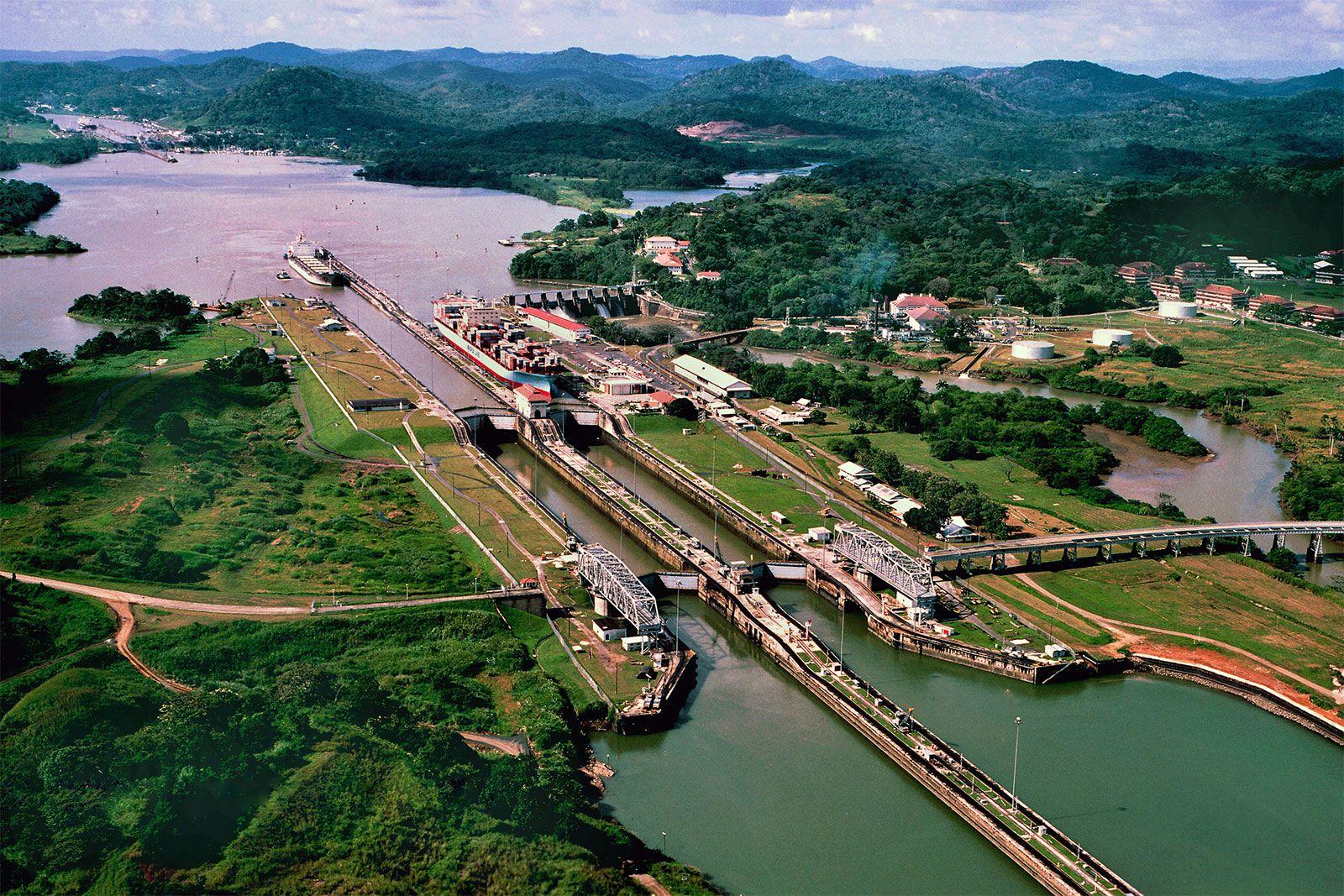
In the complex geopolitical landscape of international trade and diplomacy, few assets are as strategically significant as Panama’s famed canal. The United States and China, two of the world’s largest economies, have long viewed this vital waterway as a pivotal point in their ongoing rivalry for influence in Latin America. However, a recent analysis reveals that amidst their fierce competition, an unexpected benefactor has emerged-a development that could reshape the regional power dynamics. This article explores how the US-China struggle over the Panama Canal has inadvertently provided opportunities for local stakeholders and other nations, as well as the implications for global trade. As these superpowers vie for control, the question arises: who truly stands to gain from their contentious tug-of-war?
The Geopolitical Stakes of the Panama Canal in US-China Relations
The Panama Canal remains a critical chokepoint for global trade, making it a focal point of contention between the United States and China. The strategic significance of the canal lies not only in its role as a transit route for cargo ships but also in how it symbolizes the broader battle for influence in Latin America. As China steadily increases its foothold in the region through investment and infrastructure projects, U.S. officials have raised alarm over the potential implications for national security and economic interests. This geopolitical rivalry has put the canal firmly in the spotlight, forcing both powers to reconsider their strategies in a rapidly evolving landscape.
The stakes are underscored by a complex web of diplomatic and economic relationships. Key factors include:
- Infrastructure Investments: China’s hefty investments in nearby infrastructure projects can enhance its leverage over regional trade routes.
- Diplomatic Ties: Strengthening relationships with Central American nations gives China an edge in swaying local politics.
- Military Presence: Increased military cooperation with allies in the region poses a challenge to U.S. naval supremacy.
As both nations vie for dominance, the canal serves as both a battleground and a bargaining chip, with the potential to reshape trade networks and alliances. While the immediate confrontation seems dire, the outcome may yield unexpected consequences, potentially benefiting smaller nations caught in the crossfire by unearthing opportunities for growth and collaboration with both superpowers.
Economic Implications for Global Trade Amid Canal Disputes
The ongoing disputes surrounding the Panama Canal have reignited concerns about the stability of global trade routes, placing additional pressure on an already fragile economic landscape. As the United States and China grapple for influence in Central America, shipping companies and multinational corporations are forced to recalibrate their logistics and supply chains. The blockage or disruption of this critical passage not only affects maritime delays but also exacerbates inflationary trends by raising transport costs across the globe. Stakeholders may need to consider alternative routes or even rethink their inventory strategies, which could significantly impact the shipping industry and international trade as a whole.
Key implications of the canal disputes include:
- Increased Shipping Costs: The disruption could lead to higher freight rates, placing additional burdens on consumers and businesses alike.
- Logistical Reevaluation: Companies may look to diversify their shipping routes or invest in other transport modes to mitigate risk.
- Economic Shifts: Countries reliant on the canal for trade may experience slower growth rates due to restricted access to key markets.
| Factor | Impact |
|---|---|
| Freight Rate Increases | ↑ 20% – 30% |
| Transit Time Delays | +5 – 15 days |
| Alternative Routes Usage | ↑ 50% |
Strategic Recommendations for Navigating Future Maritime Tensions
In light of the evolving geopolitical landscape surrounding maritime routes, particularly regarding the Panama Canal, stakeholders must adopt a multifaceted approach to navigate potential tensions. Engagement with international allies will be crucial for the U.S., ensuring a collaborative stance that consolidates power in strategic maritime activities. This could involve:
- Enhanced military cooperation with regional partners to secure maritime interests.
- Joint technology initiatives aimed at improving navigation and security systems in critical chokepoints.
- Diplomatic movements to bolster alliances that have a vested interest in maintaining a free and open maritime space.
On the other hand, China’s response should hinge on promoting alternative trade routes to mitigate risks associated with potential sanctions or confrontations. By investing in infrastructure beyond the canal, China could counterbalance U.S. influence through strategic development deals with countries in the Caribbean and Latin America. Key strategies may include:
- Bilateral agreements that emphasize mutual growth and security.
- Investment in technology and logistics networks to diversify trade pathways.
- Cultural and educational exchanges that foster goodwill and strengthen relationships with host nations.
| Strategy | Proponent | Potential Impact |
|---|---|---|
| Enhanced military cooperation | U.S. | Increased security for maritime routes |
| Investment in alternative routes | China | Diversified trade dependencies |
| Bilateral agreements | Both | Strengthened partnerships |
Concluding Remarks
As the geopolitical tension between the United States and China continues to shape international relations, the ongoing struggle over control and influence in Panama’s Canal has unveiled an unexpected outcome. While both superpowers have sought to bolster their positions in this critical maritime corridor, a third party-the Panamanian government-has effectively maneuvered to enhance its own standing in the process. By leveraging the attention and investments from both sides, Panama is not only securing its infrastructural legacy but is also redefining its role on the global stage. As the dynamics of this rivalry unfold, the implications for regional stability and international trade will be closely monitored. In this complex landscape, Panama emerges not just as a battleground for competing interests, but as a sovereign player asserting its agency amidst great power rivalry. The world watches closely as the next chapter in this high-stakes saga unfolds.

