

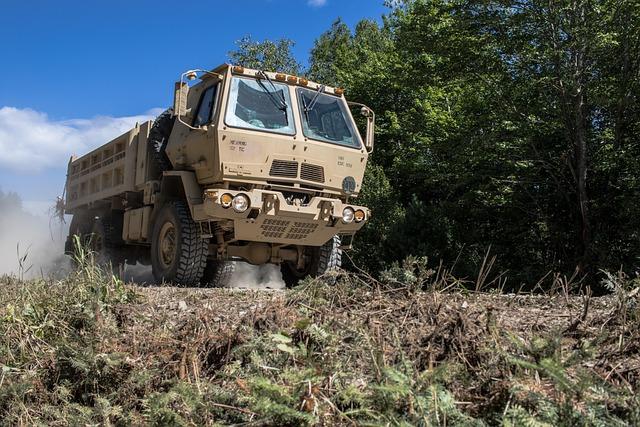
US Leads Multinational Exercise to Defend the Strategically Vital Panama Canal
In a demonstration of military readiness and international cooperation, the United States has orchestrated a significant multinational exercise designed to enhance the defense of the Panama Canal, a critical artery for global trade and maritime traffic. This operation, involving forces from multiple nations, highlights the strategic importance of the canal, which serves as a key conduit linking the Atlantic and Pacific Oceans. As geopolitical tensions rise and global supply chains face unprecedented challenges, the exercise underscores the U.S. commitment to safeguarding vital infrastructure while fostering collaborative security efforts among partner nations. This report delves into the objectives, participants, and implications of this pivotal operation, shedding light on the vital role the Panama Canal plays in maintaining the stability of not only regional but also global economics.
US Military Collaboration Strengthens Security at Panama Canal Amid Rising Geopolitical Tensions
The strategic significance of the Panama Canal has heightened in light of escalating geopolitical tensions, prompting a robust collaborative effort among US military forces and their international allies. In a recent joint military exercise, units from the US Army, Navy, and Air Force teamed up with personnel from Central and South American nations to conduct comprehensive defense operations aimed at safeguarding this vital maritime asset. The exercise demonstrated effective coordination and interoperability among diverse military branches, thereby reinforcing regional security commitments and operational readiness.
Key components of the multinational exercise included:
- Joint Tactical Drills: Units practiced real-time response scenarios, focusing on rapid mobilization and defense strategies.
- Cybersecurity Enhancements: Specialized teams shared techniques to protect critical infrastructure from cyber threats.
- Humanitarian Assistance Training: Forces engaged in simulations that included disaster response and logistics support to enhance community resilience.
This collaborative approach not only fosters stronger relationships among participating nations but also establishes a unified front against potential threats in the region. By aligning strategic objectives with operational capabilities, the US and its allies are working diligently to ensure the continued safe passage of vessels through the canal, a critical waterway for global trade.
Strategic Importance of the Panama Canal: Key Insights from Recent Multinational Defense Exercise
The recent multinational defense exercise centered around the Panama Canal has underscored its critical role in global security and trade. The canal, which serves as a crucial artery for commercial shipping, facilitates the transportation of goods between the Atlantic and Pacific Oceans. With over 14,000 vessels passing through annually, any disruption of this passage could have significant repercussions not only for regional economies but for international markets as well. The participating nations engaged in coordinated efforts to assess and bolster the canal’s defenses against potential threats, emphasizing collaboration, intelligence sharing, and rapid response capabilities. This exercise reflected a growing recognition of the canal’s strategic significance amidst evolving geopolitical tensions globally.
Key objectives of the exercise included enhancing maritime security, demonstrating multinational solidarity, and improving operational interoperability among allied nations. Participating forces conducted a series of simulations and drills that focused on the following elements:
- Counter-piracy operations: Developing strategies to combat maritime piracy that could threaten shipping routes.
- Humanitarian assistance and disaster relief: Preparing to respond effectively to regional crises that could impact canal operations.
- Cybersecurity measures: Safeguarding critical infrastructure from potential cyber threats.
This concerted approach not only emphasizes the canal’s tactical importance but also sets the stage for ongoing collaborative defense initiatives. As geopolitical dynamics shift, the vitality of the Panama Canal as a strategic asset remains paramount for both military and economic stability, ensuring that global trade can continue unimpeded.
Recommendations for Enhancing Maritime Security and Cooperation in Central America
To bolster maritime security and foster cooperation in Central America, stakeholders must prioritize joint training exercises and intelligence-sharing initiatives. Regional capacity-building is vital, as it equips local forces with the necessary skills and knowledge to effectively counter maritime threats, including drug trafficking and piracy. Multinational exercises involving naval forces from the United States, Central American nations, and international partners should be organized regularly, focusing on tactical operations, crisis response, and inter-agency collaboration.
Furthermore, developing a framework for collaborative information networks can streamline communication among Coast Guards and navies in the region. This framework could include:
- Real-time data sharing on maritime activities and threats
- Joint operational protocols for responding to suspicious vessels
- Regular training sessions to maintain operational readiness and interoperability
Additionally, establishing a Central American Maritime Security Council could provide a platform for policy dialogue and joint decision-making. Such an organization would enhance regional resilience against maritime challenges through cooperative initiatives, resource sharing, and consistent engagement with global maritime security frameworks.
To Wrap It Up
In conclusion, the recent multinational exercise led by the United States underscores the vital importance of international collaboration in safeguarding critical infrastructure such as the Panama Canal. As a key transit route for global trade, the Canal’s security remains a top priority for not only the U.S. but also for its allies. This exercise not only enhances military readiness but also strengthens diplomatic ties among participating nations, ensuring a united front against potential threats. As geopolitical tensions continue to evolve, such cooperative initiatives will be essential for maintaining peace and stability in this strategically significant region. As the world watches, the lessons learned from this operation will undoubtedly shape future defense strategies and operational readiness across the Americas and beyond.

