

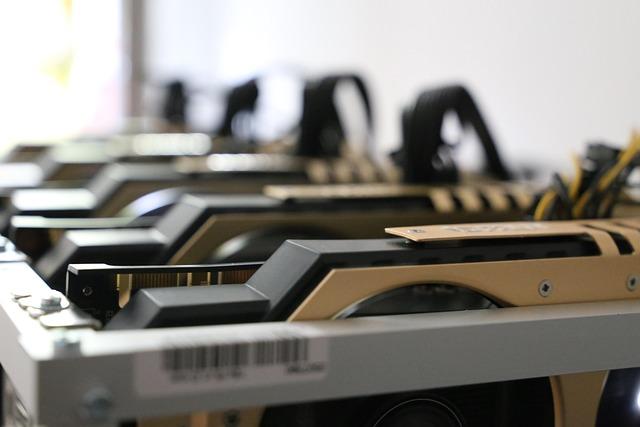
In a significant shift within the cryptocurrency landscape, Bitcoin mining firm Bitfarms has announced its decision to exit the Latin American market through the sale of its mining operations in Paraguay for $30 million. This move marks a strategic pivot for the company, which has been navigating a tumultuous period for cryptocurrency miners amid fluctuating market conditions and increasing regulatory scrutiny. With this sale, Bitfarms aims to streamline its operations and focus on areas with greater profitability potential. As the global mining landscape continues to evolve, this development highlights the challenges and opportunities facing companies in the sector, as well as the broader implications for the future of Bitcoin mining in Latin America.
Bitfarms Strategic Shift: Unpacking the $30 Million Paraguay Sale and Its Implications
Bitfarms has made a significant strategic pivot by divesting its operations in Paraguay, selling its mining site for an impressive $30 million. This move signifies a deliberate departure from the Latin American market, which has been characterized by fluctuating regulatory landscapes and economic instability. The decision comes amid a backdrop of increasing operational costs and the need for improved margins in an ever-evolving cryptocurrency market. With this sale, Bitfarms can reinvest capital to enhance its infrastructure and technology in more stable jurisdictions, focusing on optimizing performance and maximizing shareholder value.
The implications of this sale extend beyond mere financial gains; it reflects a larger trend within the cryptocurrency mining sector where companies are reassessing their global footprints. By reallocating resources, Bitfarms aims to strengthen its competitive position through strategic partnerships and expansions in regions with favorable conditions for mining operations. Key considerations include:
- Regulatory Environment: Reducing exposure to unpredictable regulations.
- Cost Efficiency: Focusing on regions with lower energy costs.
- Technology Investment: Enhancing infrastructure for improved mining efficiency.
| Key Metrics Before and After Sale | Before Sale | After Sale |
|---|---|---|
| Market Presence in Latin America | Active | Exited |
| Investment in Infrastructure ($) | 20M | New Focus on NA & EU |
| Operational Costs ($) | High | Target Reduction |
The Future of Bitcoin Mining in Latin America Following Bitfarms Exit
The exit of Bitfarms from Latin America marks a significant shift in the region’s cryptocurrency narrative, particularly regarding Bitcoin mining operations. As a leading player in the industry, Bitfarms’ $30 million sale of its Paraguay site raises questions about the sustainability and future landscape of mining in the region. With increasing energy costs and regulatory challenges, the local market may witness a consolidation of operations or an emergence of new players looking to capitalize on the void left by established giants. The economic feasibility of mining projects will likely hinge on various factors, including the availability of renewable energy sources, cryptocurrency market fluctuations, and government policies surrounding digital currencies.
In response to these evolving dynamics, several factors may influence how Bitcoin mining evolves in Latin America:
- Regulatory Environment: Countries like El Salvador and Paraguay may explore new frameworks to attract investment in cryptocurrency operations.
- Energy Resources: The region’s abundance of hydropower and renewable energy can provide cost-effective solutions for miners.
- Technological Advancements: Adoption of more efficient mining equipment may help maintain profitability despite market challenges.
- Community Engagement: Local partnerships will be essential for building a sustainable mining ecosystem.
| Factor | Impact on Mining |
|---|---|
| Regulatory Support | Encourages investment and growth |
| Energy Costs | Affects operational profitability |
| Market Fluctuations | Influences mining strategies |
| Technological Innovation | Improved efficiency and lower costs |
Investment Opportunities in Underutilized Markets as Bitfarms Moves North
With Bitfarms’ recent divestment from its Paraguayan operations, attention shifts toward the burgeoning potential of underutilized markets in North America. This strategic exit allows Bitfarms to reallocate resources and capitalize on investments in areas with a more developed crypto infrastructure. North America, particularly regions abundant in renewable energy resources, presents exciting opportunities for expansion. As regulations become friendlier and consumer adoption increases, companies like Bitfarms can leverage these evolving dynamics to establish larger mining operations, potentially accessing cheaper operational costs while benefiting from sustainable energy options.
As Bitfarms moves forward, investors should consider the following key factors when exploring underutilized markets for cryptocurrency ventures:
- Regulatory Environment: Look for regions with favorable policies towards cryptocurrency mining and business operations.
- Energy Costs: Areas with low-cost, renewable energy can significantly enhance profitability for mining operations.
- Infrastructure Support: Access to reliable internet and transportation is crucial for effective operations.
| Market | Electricity Cost (per kWh) | Mining Incentives |
|---|---|---|
| Texas, USA | $0.02 | Tax breaks for renewable energy |
| North Dakota, USA | $0.03 | Low regulatory fees |
| Quebec, Canada | $0.04 | Hydro-Québec incentives |
To Conclude
In conclusion, Bitfarms’ recent decision to exit its operations in Latin America marks a significant shift in the landscape of cryptocurrency mining in the region. The company’s $30 million sale of its Paraguay facility underscores the challenges miners face amid fluctuating market conditions and regulatory uncertainties. As Bitfarms pivots towards optimizing its North American assets, the broader implications for Latin America’s emerging crypto sector remain to be seen. This development not only highlights the changing dynamics of cryptocurrency mining but also raises questions about the future of investment in regions that were once seen as promising locales for the industry. Investors and stakeholders will be closely watching how these changes impact the larger narrative of blockchain and digital currency in the Americas moving forward.

