

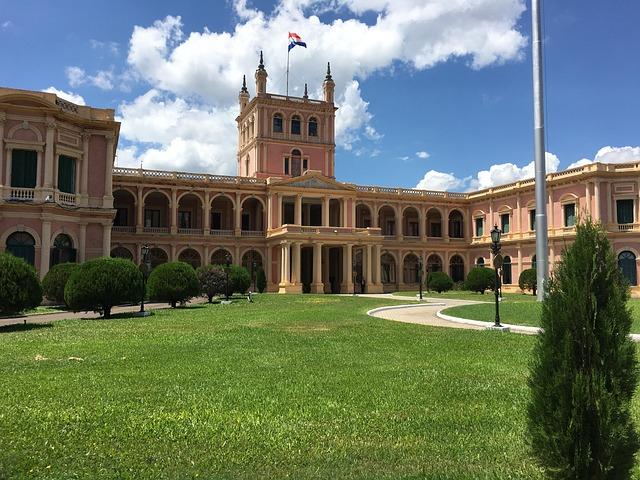
In a significant development in international migration policy, Paraguay is set to welcome its first group of deported migrants from the United States. This initiative, part of a broader agreement aimed at addressing the challenges of irregular immigration, marks a critical juncture in both U.S. and Paraguayan immigration strategies. The arrival of these migrants, many of whom are seeking to return to their home country after facing the harsh realities of deportation, raises important questions about the integration processes and the support systems that will be in place to assist them. As Paraguay prepares to receive these individuals, the implications of this policy shift for both nations, as well as for the migrants themselves, are set to unfold against a backdrop of ongoing discussions about migration, human rights, and international cooperation.
Paraguay Prepares for Arrival of First Batch of U.S. Deported Migrants
As Paraguay gears up to receive its first group of migrants deported from the United States, government officials are putting protocols in place to ensure a smooth transition for the returnees. These individuals, who left Paraguay in search of better opportunities, now face the challenge of reintegrating into a society they may not recognize. Authorities have highlighted the importance of providing necessary support services, which will include:
- Housing assistance to help individuals find stable accommodation.
- Employment programs aimed at facilitating job placements and skill development.
- Psychosocial support to address any emotional challenges resulting from their journey.
The return is a significant moment for both the Paraguayan government and the deported migrants, reflecting the broader issues of migration and repatriation. By collaborating with various NGOs and civil society organizations, Paraguay hopes to create a welcoming environment that emphasizes dignity and respect for the returnees. In a recent statement, a government spokesperson remarked that this initiative not only aims to assist those coming home but also seeks to strengthen familial ties and community bonds that may have been strained during their time abroad.
Challenges and Opportunities: Integrating Deported Migrants into Paraguayan Society
As Paraguay prepares to welcome its first group of deported migrants from the U.S., the integration of these individuals into Paraguayan society presents both challenges and opportunities. Among the most pressing challenges are the cultural adjustments that deported migrants must undertake, often facing linguistic barriers and social stigmas associated with their return. Additionally, there are questions surrounding the availability of resources and support systems that can offer these migrants assistance in finding employment, housing, and community acceptance. The need for tailored integration programs is critical to facilitate smoother transitions and foster understanding between returning migrants and local communities.
On the other hand, this influx of deported migrants may serve as a unique opportunity for Paraguay to enrich its social fabric. With their diverse backgrounds, these individuals bring a potential for cultural exchange, innovation, and entrepreneurial spirit that can benefit local economies. Opportunities may include:
- Workforce revitalization: Migrants can fill labor shortages in key sectors.
- Community engagement: Initiatives can be developed to promote understanding and solidarity.
- Remittances: Family connections may lead to financial support that enhances local economies.
To effectively harness these opportunities, it will be vital for the Paraguayan government and NGOs to collaborate on creating inclusive policies that address the unique needs of deported migrants, emphasizing their rights and contributions to society.
Recommendations for Ensuring Successful Reintegration and Community Support
To ensure a smooth transition for the newly deported migrants arriving in Paraguay, various strategies can be adopted. It is crucial for local authorities and community organizations to collaborate in creating a comprehensive support system. This can include:
- Personalized Welcome Programs: Initiatives that help individuals reorient themselves, providing information on local resources, cultural norms, and community services.
- Job Placement Assistance: Partnerships with local businesses to facilitate employment opportunities for returning migrants, helping them regain their economic independence.
- Mental Health Resources: Access to counseling and mental health services tailored to address the unique experiences of deportation and reintegration challenges.
- Language and Skill Development Workshops: Offering programs that improve language proficiency and vocational skills can greatly enhance reintegration prospects.
Community involvement is another key element in fostering an environment of acceptance and support. By promoting awareness and understanding among residents, the stigma surrounding deported individuals can be reduced. Strategies may include:
- Public Awareness Campaigns: Initiatives aimed at educating the community about the circumstances surrounding deportation and the potential contributions of returning migrants.
- Cultural Exchange Events: Organizing events that celebrate cultural diversity and encourage interactions between deported migrants and local citizens.
- Mentorship Programs: Developing mentorship networks where established community members can provide guidance and support to returning individuals.
- Feedback Mechanisms: Creating platforms for migrants to voice their needs and experiences, ensuring that community support evolves based on real feedback.
Closing Remarks
In conclusion, Paraguay’s decision to welcome its first group of U.S. deported migrants marks a significant moment in the ongoing discourse surrounding migration and international cooperation. This initiative not only demonstrates Paraguay’s commitment to humanitarian efforts but also reflects a broader trend of nations reevaluating their roles in the global migration landscape. As these individuals begin to resettle and reintegrate into Paraguayan society, the implications of this policy will be closely monitored, shedding light on the challenges and opportunities that accompany such transitions. The successful implementation of this program could pave the way for future collaborations, emphasizing the need for comprehensive strategies to address the complexities of migration in today’s world. As both countries navigate this evolving relationship, the eyes of the international community will undoubtedly remain focused on the outcomes and impacts of this unprecedented move.

