

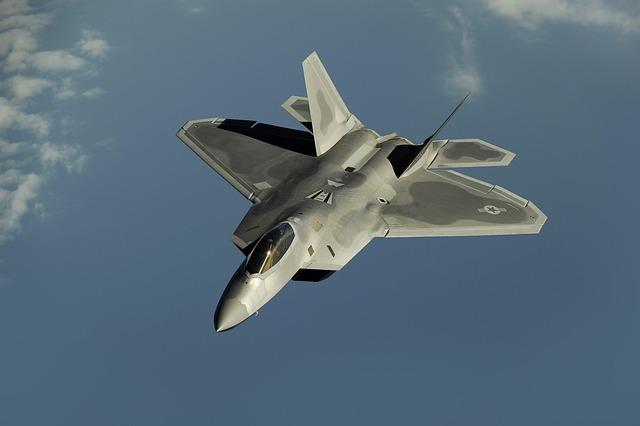
In a significant development amid ongoing diplomatic tensions, the United States has confirmed its approval of Peru’s acquisition of 12 fighter jets, marking a notable move in regional defense dynamics. This decision comes despite rising concerns over political disagreements and human rights issues that have clouded bilateral relations. The procurement, which aims to modernize the Peruvian Air Force, highlights the U.S. commitment to bolstering military partnerships in Latin America, even as critics question the implications of such military support. As both nations navigate these complex issues, the deal underscores the intricate balance between defense cooperation and geopolitical considerations in the region.
US Endorses Peru’s Military Expansion Amid Diplomatic Tensions
The United States has officially confirmed the sale of 12 advanced fighter jets to Peru, a decision that underscores Washington’s commitment to strengthening its military partnerships in the region, even amidst rising diplomatic tensions with other countries. This endorsement comes at a crucial time as Peru grapples with its own security challenges, including an uptick in drug trafficking and border disputes. The deal is seen as a strategic move by the U.S. to enhance the operational capabilities of the Peruvian Air Force, thus ensuring a stronger presence against external threats.
Despite criticisms from various sectors regarding the implications of military expansion, the U.S. believes that the acquisition of these aircraft will bolster regional stability. Key points from the agreement include:
- Enhanced Training: The U.S. will provide extensive pilot and maintenance crew training.
- Modern Capability: The fighter jets are equipped with state-of-the-art technology.
- Strategic Alliances: This deal fosters deeper military ties between the U.S. and Peru.
The deal’s approval, however, faces criticism amidst allegations of bloated military budgets in Latin America. Opponents argue that funds would be better allocated to social programs aimed at addressing the root causes of conflict. In response, supporters assert that a fortified military presence is crucial for national defense and regional cooperation.
Strategic Implications of the Fighter Jet Deal for Regional Security
The recent confirmation of Peru’s acquisition of 12 fighter jets from the United States carries significant implications for the security landscape of the region. This deal not only enhances Peru’s military capabilities but also signals a potential shift in defense partnerships within South America. As neighboring nations observe this transaction, key dynamics in regional security are expected to evolve. Countries may feel compelled to reassess their own military strategies and alliances, potentially leading to an arms race or increased defense spending in response to Peru’s enhanced aerial capabilities.
Moreover, the fighter jet deal highlights the strategic interest of the U.S. in maintaining influence within Latin America amidst geopolitical tensions. By bolstering Peru’s defense capabilities, the U.S. aims to strengthen its position against rival powers that may seek to expand their influence in the region. The implications are manifold:
- Increased Military Readiness: Peru will be better equipped to respond to regional threats, thereby stabilizing its borders.
- Shift in Alliances: Other nations may reconsider their defense relationships, either aligning closer with U.S. interests or pursuing alternative partnerships.
- Regional Tensions: The deal may escalate military competition, prompting neighboring countries to enhance their own aerial capabilities.
| Country | Current Fighter Jet Capability | Post-Deal Position |
|---|---|---|
| Peru | Limited | Enhanced |
| Colombia | Moderate | Reassess |
| Chile | Robust | Monitor |
| Argentina | Outdated | Upgrade Needed |
Recommendations for Strengthening US-Peru Defense Collaboration
To reinforce the collaborative defense relationship between the United States and Peru, several strategic initiatives could be prioritized. Establishing a comprehensive joint training program would allow both nations to enhance interoperability and refine tactics. By expanding opportunities for joint exercises, both air and ground, the U.S. military can ensure that Peruvian forces are proficient in operating advanced technologies, including the newly acquired fighter jets. Additionally, facilitating access to intelligence sharing on regional security threats could greatly enhance Peru’s ability to respond effectively to emerging challenges.
Moreover, focusing on defense industrial cooperation could prove mutually beneficial. Encouraging U.S. defense contractors to establish partnerships with Peruvian firms can stimulate local economies while facilitating knowledge transfer and domestic capacity building. Establishing a dedicated military advisory team to Peru could further aid in modernizing the Peruvian armed forces and enhancing their capabilities. To support these efforts, it would be essential to schedule regular high-level meetings to track progress, address challenges, and solidify commitments on both sides.
In Summary
In conclusion, the United States’ approval of Peru’s acquisition of 12 fighter jets underscores the complex dynamics of international defense relations, particularly amidst ongoing diplomatic tensions. While this transaction aims to bolster Peru’s military capabilities, it also raises questions about regional security and the balance of power in South America. As both nations navigate their respective interests, the implications of this deal will be closely monitored by analysts and governments alike. As the situation evolves, the defense strategies of both countries may influence broader geopolitical trends in the region. The coming months will reveal the impact of this purchase, not just for Peru, but for U.S. foreign policy in Latin America.

