

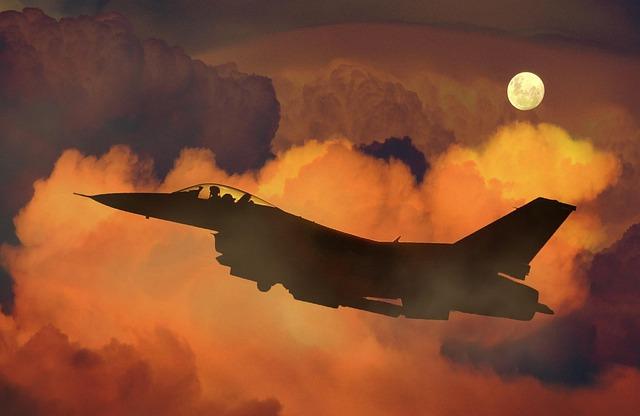
In a significant move to bolster its aerial defense capabilities, Peru has officially selected Lockheed Martin’s F-16 Block 70 fighter jet, heralding a new chapter in the country’s defense strategy and its partnership with the United States. This decision not only emphasizes Peru’s commitment to enhancing its sovereignty but also underscores the strengthening ties between the two nations amid evolving geopolitical dynamics in the region. The F-16 Block 70, known for its advanced technology and versatility, promises to provide the Peruvian Air Force with state-of-the-art combat capabilities, ensuring readiness to address contemporary security challenges. With this acquisition, Peru joins a growing list of countries investing in modernizing their military forces, reflecting a broader trend of collaboration and defense modernization in Latin America.
Peru’s Strategic Shift: Embracing Advanced Military Technology with Lockheed Martin’s F-16 Block 70
Peru’s recent selection of the Lockheed Martin F-16 Block 70 marks a significant stride towards enhancing its military capabilities and bolstering national defense. This upgraded fleet of advanced fighter jets promises to equip the Peruvian Air Force with state-of-the-art technology, ensuring greater aerial superiority and combat readiness. The F-16 Block 70’s features include:
- Advanced Avionics: With cutting-edge radar and sensor systems for superior situational awareness.
- Enhanced Firepower: A capacity to carry a diverse arsenal of munitions for various mission profiles.
- Multirole Capability: Adaptable for air-to-air combat, ground attack, and reconnaissance missions.
- Integration with NATO Standards: Ensuring interoperability with allied forces, particularly the U.S.
This partnership underscores a deeper alignment between Peru and the United States, emphasizing a shared commitment to regional stability and mutual defense interests. With the acquisition of the F-16 Block 70, Peru aims not only to enhance its defense posture but also to further its sovereignty in an increasingly complex security environment. The collaboration extends beyond mere procurement, involving:
- Joint Training Programs: Opportunities for Peruvian pilots and crews to engage in advanced training with U.S. forces.
- Technology Transfer: Facilitation of knowledge and skills essential for maintaining and operating the new aircraft.
- Support for Domestic Defense Industry: Potential to stimulate local defense manufacturing capabilities.
Enhancing National Security: The Implications of Peru’s New Fighter Jet Acquisition
Peru’s decision to acquire the Lockheed Martin F-16 Block 70 marks a pivotal enhancement in its national defense strategy. This modern fighter jet is poised to bolster the country’s air power and sovereignty, ensuring a more robust response capability against potential threats. The acquisition signifies not only a technological upgrade but also reflects a commitment to adapting to evolving geopolitical landscapes. With advanced avionics and combat systems, the F-16 Block 70 will enable the Peruvian Air Force to address a range of security challenges, from territorial defense to counter-narcotics operations.
The partnership between Peru and the United States further strengthens regional ties, showcasing a collaborative approach toward promoting stability in Latin America. Key advantages of this acquisition include:
- Interoperability: Enhanced co-operation with U.S. forces during joint exercises and operations.
- Advanced Technology: Access to cutting-edge military technology and training.
- Strategic Deterrence: Improved capabilities to deter regional threats and assert national sovereignty.
Moreover, Peru stands to benefit from continued support for maintenance and logistics, ensuring operational readiness for years to come. As the geopolitical climate evolves, this acquisition not only addresses immediate defense needs but positions Peru as a formidable player in regional security dynamics.
Fortifying Alliances: The Impact of U.S.-Peru Military Cooperation on Regional Stability
The recent decision by Peru to acquire the Lockheed Martin F-16 Block 70 fighter jets has significant implications for both national sovereignty and its military collaboration with the United States. This strategic investment not only enhances Peru’s aerial capabilities but also solidifies a critical partnership that promotes stability in the region. By integrating advanced technology and improved combat readiness, the Peruvian Air Force is set to address emerging security challenges effectively, demonstrating a commitment to safeguarding its airspace and securing national interests.
This military cooperation underscores a broader trend in Latin America, where countries are increasingly recognizing the importance of collaborative defense strategies. The benefits of U.S.-Peru military cooperation extend beyond mere hardware acquisition:
- Joint Exercises: These enhance interoperability and foster goodwill between forces.
- Intelligence Sharing: A crucial element in combating transnational threats, including drug trafficking.
- Training Programs: Enriching personnel skills and developing operational effectiveness.
The impact of such measures contributes to a stable geopolitical landscape, allowing regional powers to address threats collectively, thereby reinforcing a shared commitment to democracy and security in the Americas.
To Wrap It Up
In conclusion, Peru’s selection of the Lockheed Martin F-16 Block 70 fighter jet marks a significant step in reinforcing national sovereignty and modernizing its air defense capabilities. This strategic move not only enhances Peru’s military readiness but also underscores the deepening partnership between the Andean nation and the United States. As regional dynamics continue to evolve, the acquisition of advanced defense technology like the F-16 Block 70 positions Peru to better address security challenges while fostering collaboration with U.S. defense initiatives. Moving forward, this development will likely pave the way for enhanced cooperation and mutual benefits in the realm of defense and security, solidifying Peru’s role as a key player in the region’s strategic landscape.

