

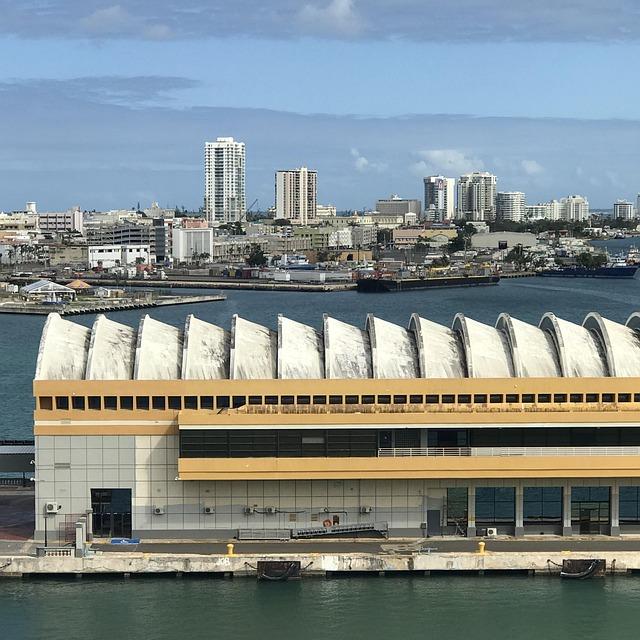
In recent years, climate change has become an ever-present specter looming over vulnerable regions of the world, with island nations and Arctic territories bearing the brunt of its devastating effects. As Puerto Rico continues to grapple with the aftermath of Hurricane Maria’s unprecedented devastation, a powerful message emerges for places like Greenland, which are also facing existential threats from rising temperatures and melting ice. “A Warning From Puerto Rico to Greenland: Learn From Our Wounds” explores the lessons borne from Puerto Rico’s struggles, urging policymakers, scientists, and citizens in Greenland and beyond to heed these warnings and act before it’s too late. As global temperatures continue to rise, the stories of resilience, adaptation, and profound loss from Puerto Rico serve as a crucial guide for communities seeking to navigate the uncertain future of a changing planet.
Understanding the Devastating Impacts of Climate Change on Island Nations
The fate of island nations hangs precariously as climate change accelerates, reshaping economies, communities, and ecosystems. Rising sea levels threaten to submerge territories, leading to significant loss of habitable land. In addition to physical displacement, these transformations compel island populations to confront an array of socioeconomic challenges, such as:
- Loss of agriculture: Saltwater intrusion compromises arable land, disrupting food security.
- Water scarcity: Extreme weather events and changing rainfall patterns hinder access to fresh water.
- Tourism decline: Natural disasters and environmental degradation threaten one of the primary revenue sources.
Moreover, the impacts extend beyond immediate economic concerns, affecting cultural identity and social cohesion. For instance, communities are witnessing the erosion of cultural heritage sites due to severe weather and rising tides. This loss not only diminishes the historical significance of these areas but also disrupts local customs and traditions, further alienating populations from their roots. As communities in places like Puerto Rico and Greenland confront these challenges, the resilience they demonstrate should serve as a poignant reminder of the urgent need for global cooperation. In light of these developments, countries must prioritize:
- Investing in renewable energy: Reducing dependence on fossil fuels to mitigate further climate impacts.
- Implementing adaptive measures: Designing building codes and infrastructure resistant to climate phenomena.
- Fostering community-based solutions: Involving local voices in planning processes to ensure culturally appropriate and effective strategies.
Building Resilience: Strategies from Puerto Rico’s Recovery Journey
Ponies and prevailing winds have shaped Puerto Rico’s unique resilience strategies, cultivated through years of survival against natural disasters and economic challenges. Through the recovery processes following Hurricane Maria, the territory has emerged with a model of strategic response that transcends mere repair; it focuses on community empowerment and the sustainability of resources. Local leaders emphasized the importance of rebuilding not just infrastructure, but also the spirit of the community, advocating for measures such as:
- Grassroots Organizing: Encouraging local voices in decision-making processes to ensure that recovery initiatives reflect the needs of those directly affected.
- Resource Sharing: Programs that facilitate the exchange of goods and knowledge among communities, fostering interdependence and collaboration.
- Adaptive Infrastructure: Building with the foresight of future storms, using materials and designs that are resilient against upcoming climatic changes.
However, recovery also requires acknowledging the socio-economic realities that exacerbate vulnerability. Puerto Rico’s case illustrates that equitable access to recovery resources is paramount. This includes addressing systemic issues such as climate justice and financial stability through targeted legislation. An effective strategy encompasses:
| Strategy | Description |
|---|---|
| Fiscal Reforms | Revising tax policies to distribute resources more equitably among communities. |
| Investment in Education | Enhancing education on sustainable practices to empower future generations. |
| Collaboration with NGOs | Partnering with non-governmental organizations for innovative solutions in recovery efforts. |
Promoting Global Solidarity: Lessons for Greenland and the International Community
The harrowing experiences of Puerto Rico in the wake of devastating hurricanes provide critical lessons about resilience, preparedness, and community solidarity that Greenland and the broader international community must heed. Natural disasters do not discriminate; they can strike anywhere, often leaving marginalized communities disproportionately affected. In the aftermath of crises like Hurricane Maria, Puerto Rico encountered dire challenges including power outages, inadequate healthcare, and insufficient governmental aid. Essential takeaways for Greenland include the need to invest in robust disaster response systems that prioritize local knowledge and community-led initiatives. Building infrastructure that enhances collaborative efforts between governments and communities is paramount, ensuring that resources reach those in most need swiftly and effectively.
Furthermore, a commitment to sustainable development practices can mitigate the effects of climate change, a challenge that both Puerto Rico and Greenland are increasingly grappling with. The government of Greenland can learn from Puerto Rico’s struggles, particularly regarding the importance of maintaining transparency and accountability in disaster preparedness strategies. Key actions to foster global solidarity include:
- Sharing resources: Establishing partnerships for joint training exercises and sharing of emergency resources.
- Advocating for aid: Ensuring global funding mechanisms specifically support vulnerable regions experiencing climate threats.
- Community engagement: Empowering local voices in decision-making processes to foster resilience and adaptability.
By channeling insights gained from past wounds, both Greenland and the international community can work towards a united front that promotes lasting solutions for climate justice and community upliftment.
Final Thoughts
As the impacts of climate change intensify, the stories of regions like Puerto Rico serve as critical warnings for those facing similar challenges, such as Greenland. The lessons learned from Puerto Rico’s struggle for resilience in the face of natural disasters reveal not only the vulnerabilities but also the potential for adaptation and recovery. Understanding these narratives emphasizes the importance of proactive measures, international cooperation, and a commitment to sustainability.
As Greenland grapples with its own escalating environmental crisis, it is vital that lessons from Puerto Rico are heeded. By investing in infrastructure, prioritizing community engagement, and enforcing stricter environmental policies, Greenland can forge a path toward a more sustainable future. The struggles faced by Puerto Rico underscore the urgent need for global awareness and action against climate change, reminding us that we are all interconnected in this fight for survival. Only by learning from each other’s wounds can we hope to build a more resilient planet for generations to come.

