

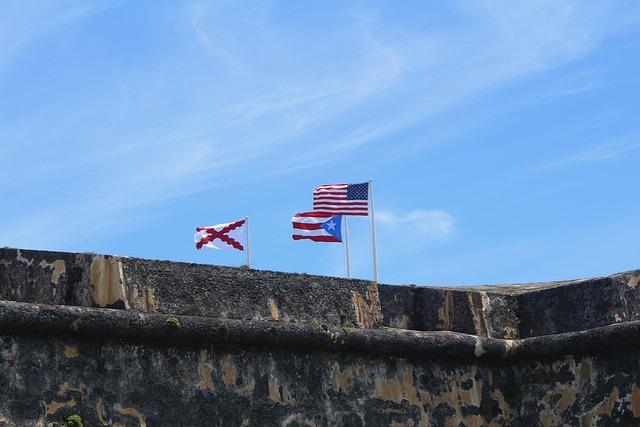
In the heart of the Caribbean lies Puerto Rico, a vibrant territory that is home to approximately 3.3 million American citizens. Despite their status as U.S. citizens since 1917, Puerto Ricans face a unique paradox: while they share the same citizenship and national identity as their counterparts on the mainland, they are excluded from a range of federal benefits and rights that Americans enjoy. This article explores the complexities of Puerto Rico’s political and economic relationship with the United States, highlighting how historical decisions and legislative frameworks have led to disparities in resources, social services, and political representation. As debates over statehood and autonomy continue to evolve, understanding the implications of these inequalities is essential for grasping the full scope of Puerto Rico’s role in the American narrative.
Understanding the Unique Status of Puerto Ricans as U.S. Citizens
Puerto Ricans have held U.S. citizenship since 1917, yet their status brings with it a complex array of rights and limitations. While they participate in federal elections and can move freely between the island and the mainland United States, their unique geographical and political position creates significant discrepancies in the benefits they receive compared to their fellow citizens across the states. This status leads to various implications in areas such as taxation, federal funding, and social services. For instance, Puerto Ricans pay federal taxes, but the island does not receive the same level of support from programs like Medicaid and Medicare as states do, leading to disparities in healthcare access and quality.
The differences manifest in several key areas, resulting in inequities that are often overlooked in broader discussions about American identity and citizenship. Among these disparities are:
- Federal Assistance Programs: Puerto Rico’s allocation is capped, limiting services like food assistance and disaster relief.
- Voting Rights: Puerto Ricans cannot vote in presidential elections unless they reside in a state, creating a double standard in democratic participation.
- Tax Responsibilities: Residents are subject to some federal taxes but do not benefit from programs in the same way as state residents.
| Area | Puerto Rico | U.S. States |
|---|---|---|
| Voting | Cannot vote in presidential elections (unless residing in a state) | Can vote in all elections |
| Medicaid Funding | Capped funding | No cap, more comprehensive |
| Food Assistance | Limited resources | Higher funding availability |
Examining the Disparities in Federal Benefits for Puerto Ricans
The unique status of Puerto Rico as a U.S. territory has profound implications for its residents, especially when it comes to federal benefits. While Puerto Ricans are U.S. citizens, they do not have full access to the same federal programs and support that mainland Americans do. This discrepancy is vividly illustrated by various social safety nets, including Medicaid funding, which is capped in Puerto Rico, resulting in lower per capita funding compared to several states. As a result, many Puerto Ricans face challenges in obtaining healthcare, leading to disparities in health outcomes.
In addition to healthcare, Puerto Ricans are also disadvantaged in other federal programs, impacting their economic stability. They do not receive the same level of support from programs like Supplemental Nutrition Assistance Program (SNAP), which is limited on the island. Furthermore, federal grants and disaster relief efforts often arrive with strings attached, significantly impacting recovery efforts after natural disasters, such as hurricanes. Below is a comparative look at the benefits:
| Benefit Type | Mainland U.S. States | Puerto Rico |
|---|---|---|
| Medicaid Funding | Unlimited matching funds | Capped funding |
| SNAP Benefits | Set at national average | Lower per capita benefits |
| Disaster Relief | Direct federal aid | Conditional grants |
Proposed Solutions to Bridge the Gap in Economic and Social Support
The disparity in economic and social support for Puerto Ricans, despite their U.S. citizenship, has ignited discussions on potential solutions that could foster equitable benefits. To address these gaps, several strategic initiatives could be implemented:
- Enhanced Federal Funding: Increase federal allocations specifically aimed at social services and infrastructure in Puerto Rico to match mainland standards.
- Tax Incentives: Offer tax relief and incentives to businesses that invest in Puerto Rico, promoting job creation and economic growth.
- Healthcare Access Improvements: Expand Medicaid and Medicare coverage to ensure comprehensive healthcare for all citizens in Puerto Rico.
- Civic Engagement Initiatives: Encourage greater political representation and advocacy for Puerto Ricans on a national level to influence policy effectively.
Another compelling avenue could be the establishment of a dedicated task force composed of local leaders, economic experts, and health professionals to develop and implement these measures collaboratively. This task force could oversee initiatives such as:
| Initiative | Expected Outcome |
|---|---|
| Local Business Grants | Boost local entrepreneurship and job opportunities. |
| Education Investment | Improve educational facilities and access to quality education. |
| Disaster Preparedness Programs | Enhance resilience and recovery from natural disasters. |
These targeted solutions aim to dismantle the barriers that hinder equal access to resources and opportunities for the Puerto Rican population, thereby fostering an environment of growth and sustainability on the island.
The Conclusion
In conclusion, the complex status of Puerto Rico within the United States highlights significant disparities in rights and benefits afforded to its residents compared to those living in the 50 states. Despite being American citizens, Puerto Ricans confront numerous challenges that stem from their unique political and economic situation. The ongoing debate surrounding their status-statehood, independence, or continued commonwealth-remains an essential conversation not only for Puerto Ricans but for the broader American society. As the island continues to navigate its path forward, understanding these issues is crucial in addressing inequities and ensuring that every American, regardless of where they live, has equal access to the rights and benefits inherent to citizenship. The future of Puerto Rico may well depend on a collective recognition of these inequalities and a commitment to finding solutions that honor its residents’ contributions to the American fabric.

