

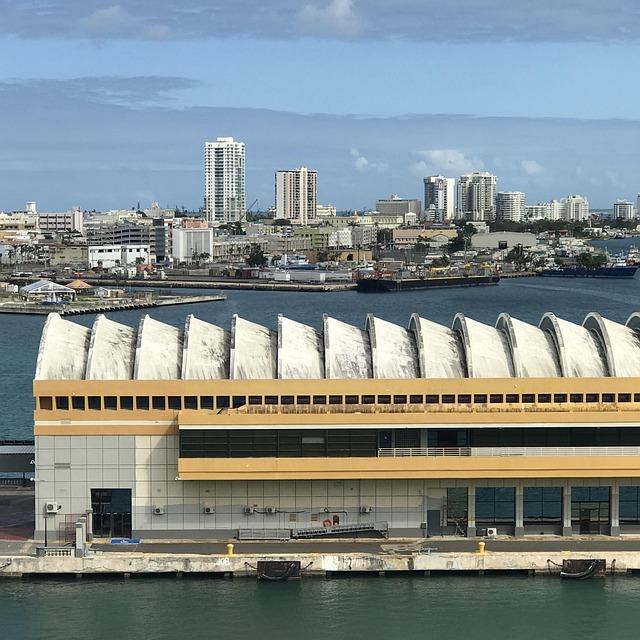
Alarm in Puerto Rico Over Island’s Role in U.S. Aggression in Latin America
Amid rising tensions and geopolitical shifts in Latin America, concerns are mounting in Puerto Rico regarding the island’s strategic role in U.S. military operations. As the Biden administration solidifies its stance on a range of issues-from countering China’s influence to addressing regional security challenges-voices from Puerto Rico are growing louder, warning against the island being utilized as a launchpad for American intervention in the region. Activists, local politicians, and community leaders are expressing alarm over the implications of increased militarization, fearing it may compromise Puerto Rico’s autonomy and further entrench the island in foreign conflicts. This article explores the growing unease among Puerto Ricans and the broader implications of U.S. policy that could reshape the island’s future and its relationship with Latin American neighbors.
Concerns Grow Over Puerto Rico’s Role in U.S. Military Operations in Latin America
The increasing involvement of Puerto Rico in U.S. military operations aimed at Latin America has raised significant alarms among local communities and advocacy groups. Many residents express concerns that their home is being positioned as a launchpad for aggressive military actions, which could jeopardize the island’s autonomy and escalate regional tensions. Critics argue that this militarization creates a moral dilemma, as it contradicts the desire for peace and cooperation among Latin American nations.
Local leaders are urging for a thorough review of military activities in the region, highlighting the importance of public discourse on these matters. The following points illustrate the growing unease:
- Increasing military presence on the island;
- Concerns over environmental impacts of military exercises;
- Potential for social unrest stemming from military actions in neighboring countries;
- Calls for greater transparency regarding military agreements.
| Concern | Description |
|---|---|
| Militarization | Puerto Rico as a strategic military hub raises questions about local safety. |
| Political Autonomy | The island’s role in U.S. operations may undermine its self-governance. |
| Social Impact | Increased military presence could lead to community tensions and violence. |
Local Leaders Call for Transparency and Accountability in Defense Policies
In recent meetings, local leaders in Puerto Rico have expressed their deep concerns regarding the increasing militarization of the island and its role in U.S. defense strategies across Latin America. Activists and community representatives argue that the government’s lack of accountability and transparency in defense policies has raised alarm bells among residents. Many fear that the island is being transformed into a launchpad for military operations, which undermines the sovereignty and well-being of its people. Key points raised include:
- Demand for Clear Communication: Community leaders are calling for open dialogues about defense operations.
- Economic Impact Concerns: Economic implications of military presence on local enterprises and tourism are being overlooked.
- Environmental Considerations: The ecological risks associated with increased military activities are causing widespread anxiety.
The push for transparency comes in the wake of multiple reports highlighting the U.S. military’s expansion plans in Puerto Rico, spotlighting a need for informed public engagement. Community members are urging legislative bodies to implement safeguards that would ensure the public is informed and involved in decisions that affect their lives. This could include:
| Action Item | Description |
|---|---|
| Public Forums | Regularly scheduled meetings to discuss military activities and community concerns. |
| Impact Assessments | Mandated research on the social and economic effects of military presence. |
| Community Advisory Boards | Creation of boards to represent community interests in government discussions. |
Activists Urge Puerto Ricans to Unite Against Militarization of the Island
In recent weeks, a coalition of activists across Puerto Rico has intensified calls for solidarity among the island’s residents to counteract what they view as the increasing militarization of their homeland. As U.S. military operations ramp up, many fear that Puerto Rico is being transformed into a launchpad for aggressive actions throughout Latin America. Activists have spotlighted this alarming trend, asserting that the island’s strategic location is being exploited without regard for the rights and voices of its people. They emphasize the need to protect Puerto Rico’s sovereignty by highlighting the detrimental consequences of military buildup, which includes potential environmental degradation and the erosion of civil liberties.
Community leaders have organized numerous events aimed at raising awareness and mobilizing public opinion against these militarization efforts. Key points in their campaign include:
- Increased Military Presence: Local populations are witnessing a surge in military personnel and equipment in areas typically designated for civilian use.
- Environmental Concerns: The militarization poses threats to local ecosystems, as military exercises and installations may disrupt wildlife habitats.
- Impact on Civil Rights: Residents fear that heightened military activity may lead to increased surveillance and infringement on personal freedoms.
To galvanize support, activists are advocating for community forums and digital campaigns aimed at educating the public about the implications of militarization. The goal is to unify diverse groups-students, environmentalists, and labor organizations-under a common banner to reclaim the island from military influence. By fostering a sense of collective responsibility and encouraging activism, they aim to draw national attention to Puerto Rico’s unique challenges and advocate for a peaceful, independent future.
Final Thoughts
In conclusion, the rising concerns regarding the role of Puerto Rico as a strategic hub for U.S. military operations in Latin America highlight the complexities of the island’s political and social landscape. As Puerto Ricans grapple with their status as a U.S. territory, voices from grassroots movements and local leaders emphasize the importance of sovereignty and the need for a reevaluation of military priorities that could place the island at the center of geopolitical conflicts. The situation necessitates broader discussions about colonial legacies, self-determination, and the implications of military presence on the island’s communities. As tensions mount and calls for accountability grow louder, the future of Puerto Rico as both a territory and a refuge for peace remains uncertain. The eyes of the nation-and the world-are on Puerto Rico as it navigates these pivotal challenges.

