

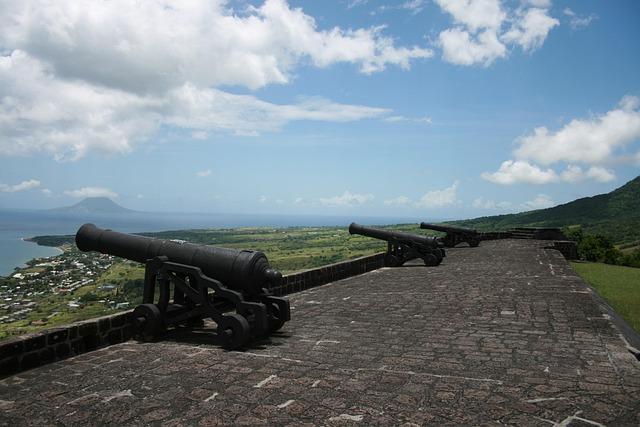
In a recent statement that has sparked discussions on sovereignty and colonial legacy, Prime Minister Terrance Drew of St Kitts and Nevis asserted that the twin-island nation is not fully autonomous under the reign of King Charles III. This declaration comes amid ongoing debates about the role of constitutional monarchies in former British colonies and raises questions about the implications of such an arrangement for governance, self-determination, and national identity. As St Kitts and Nevis navigates its post-colonial landscape, this revelation highlights the complexities of its relationship with the British monarchy, prompting both citizens and leaders to reevaluate the significance of independence in a modern context. The Prime Minister’s comments have drawn attention from regional political analysts and international observers, emphasizing the need for clarity on the nation’s constitutional status and its implications for future governance.
St Kitts and Nevis grapples with constitutional ties to the monarchy
In a recent statement, the Prime Minister of St Kitts and Nevis expressed that the nation still faces significant limitations in its quest for complete sovereignty, largely due to its constitutional ties with the British monarchy. While the Prime Minister acknowledges the historical connection, he has made it clear that the relationship comes with a set of constraints that prevent the island nation from fully exercising autonomy. He emphasized that the nation’s governance and legal frameworks are still influenced by the monarchy, leaving citizens to question the implications of being governed under a foreign crown.
The ongoing debate surrounding the constitutional relationship has spurred discussions among the populace about the potential benefits and drawbacks of complete independence. Key points of contention include:
- National Identity: Many citizens are eager to establish a unique national identity apart from the colonial past.
- Political Sovereignty: Concerns about the influence of the monarchy on local laws and governance continue to emerge.
- Economic Considerations: Independence could have financial implications, both positive and negative, for the nation’s economy.
As St Kitts and Nevis navigates this complex landscape, the Prime Minister’s remarks are likely to fuel further discussions about the path forward, with a possibility of constitutional reform on the horizon. The question remains whether the nation will take steps to sever ties or redefine its relationship with the crown.
Prime Minister’s perspective on the implications of continued British influence
The Prime Minister of St Kitts and Nevis has expressed critical insights on the lasting implications of British influence in the region under King Charles III. While acknowledging the historical ties and benefits derived from this relationship, the Prime Minister emphasized that independence remains incomplete in a constitutional monarchy where the crown holds sway over fundamental governance decisions. He articulated concerns that this situation limits the nation’s ability to forge its own path devoid of external oversight, ultimately affecting national identity and autonomy.
In his statements, the Prime Minister pointed out several key areas of concern regarding British influence:
- Political Autonomy: The role of the monarchy in local governance creates potential conflicts in prioritizing national interests.
- Cultural Impact: The lingering presence of colonial values may inhibit the development of a unique national culture.
- Economic Dependency: Reliance on British aid and investment can restrict economic diversification efforts.
According to him, it is essential for St Kitts and Nevis to reassess its political structure to enhance self-governance while navigating the complexities of current affiliations with the British monarchy. Only by addressing these challenges can the nation take meaningful steps towards true sovereignty and empowerment.
Call for a national dialogue on independence and self-governance aspirations
In light of Premier Terrance Drew’s recent statements regarding the limitations of St Kitts and Nevis’ autonomy under King Charles III, there is an urgent call for a national dialogue to reassess the island nation’s aspirations for independence and self-governance. The Prime Minister emphasized that the current constitutional arrangements tether the federation to a monarchy, limiting true political freedom and the ability to fully enact policies that resonate with the needs of its citizens. This reality has sparked a renewed interest among citizens and political leaders alike to explore the feasibility of full independence from British rule.
The dialogue seeks to address several key points of interest:
- Historical Context: A reflection on the colonial past and its influence on current governance.
- Public Sentiment: Gathering diverse opinions from citizens on their vision for the future.
- Potential Gains of Independence: Examining economic, cultural, and political advantages.
- Next Steps: Developing a roadmap toward a referendum on independence.
| Pros of Independence | Cons of Independence |
|---|---|
| Increased sovereignty | Economic uncertainty |
| Cultural self-determination | Potential diplomatic challenges |
| Tailored governance | Loss of British support |
In Retrospect
In conclusion, Prime Minister Terrance Drew’s remarks underscore the complex relationship between St Kitts and Nevis and the British monarchy, as the nation navigates its status under King Charles III. While the island nation enjoys a level of autonomy, the lingering ties to the Crown raise questions about the true nature of its independence and the implications of its constitutional framework. As discussions surrounding national sovereignty and self-determination continue, the future of St Kitts and Nevis will likely hinge on how its leaders and citizens choose to redefine their identity in a rapidly changing world. With the global landscape evolving, the dialogue around independence and colonial legacy remains more pertinent than ever for the Caribbean nation. Continued examination of these themes will be vital as St Kitts and Nevis charts its path forward in the 21st century.

