

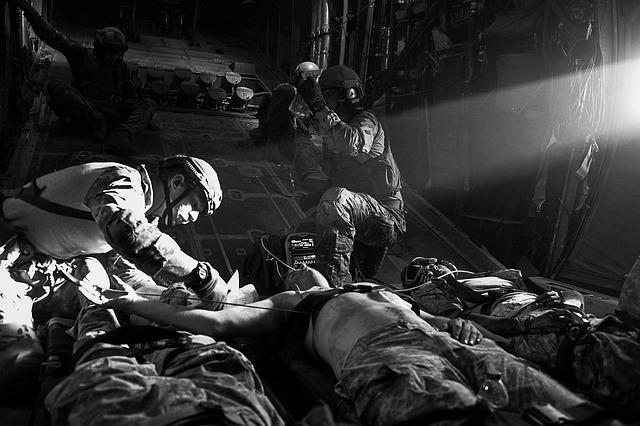
U.S. and Saint Kitts and Nevis Set to Launch Joint Medical Mission Under LAMAT 2026 Initiative
In a collaborative effort to enhance healthcare delivery and strengthen regional ties, the United States and the Federation of Saint Kitts and Nevis are gearing up to launch a significant joint medical mission as part of the LAMAT 2026 initiative. This partnership aims to provide critical medical services, resources, and training in underserved communities, reflecting a shared commitment to improving health outcomes across the Caribbean. The announcement, heralded by officials from both nations, marks a pivotal step in addressing healthcare disparities and fostering goodwill through medical diplomacy. As preparations for the mission unfold, stakeholders are optimistic about the positive impact it will have on the local population and the broader implications for regional cooperation in health and wellness.
U.S. and Saint Kitts and Nevis Collaborate on Innovative Healthcare Initiative
The collaborative medical mission between the United States and Saint Kitts and Nevis focuses on enhancing healthcare delivery through innovative practices and the sharing of resources. This initiative, part of the Long-term American Medical Assistance Team (LAMAT) 2026, aims to strengthen healthcare systems and ensure that more residents have access to quality medical services. The collaboration will implement various programs such as:
- Telehealth Initiatives: Expanding access to specialists through virtual consultations.
- Medical Training Workshops: Providing healthcare professionals with the latest techniques and technologies.
- Community Health Outreach: Engaging local populations in preventive care and education.
The initiative will also prioritize addressing chronic health challenges faced by the region, including diabetes and hypertension, through early intervention and public awareness campaigns. By pooling expertise, the two nations aim to leverage technology and best practices to create a sustainable healthcare model that can adapt to the needs of the local population. The following table outlines the core areas of focus and expected outcomes of the initiative:
| Focus Area | Expected Outcome |
|---|---|
| Telehealth Services | Increased access to specialists for all residents |
| Training Programs | Enhanced skills and knowledge among healthcare providers |
| Chronic Disease Management | Improved health outcomes and reduced prevalence of diseases |
Strategic Goals and Expected Outcomes of the LAMAT 2026 Medical Mission
The LAMAT 2026 medical mission aims to enhance health outcomes in Saint Kitts and Nevis through a series of strategic initiatives designed to bolster healthcare access and improve community well-being. Key goals include:
- Expansion of Medical Services: Introducing specialized healthcare services that cater to the community’s pressing needs.
- Capacity Building: Training local healthcare professionals to ensure sustainability and enhance local expertise.
- Community Engagement: Promoting awareness and education on preventive healthcare measures among residents.
Expected outcomes from this initiative include increased access to essential healthcare services and a measurable improvement in public health metrics. The focus will be on:
- Reduction in Disease Prevalence: Aiming for lower rates of chronic diseases through proactive health interventions.
- Enhanced Patient Satisfaction: Improving the overall patient experience in local healthcare facilities.
- Strengthened Health Infrastructure: Upgrading existing facilities and ensuring they meet international standards.
Key Recommendations for Successful Implementation and Community Engagement
For the successful execution of the joint medical mission between the U.S. and Saint Kitts and Nevis under LAMAT 2026, it is critical to foster a collaborative environment that prioritizes community involvement. Engaging local stakeholders, including health professionals, community leaders, and residents, can enhance the mission’s relevance and effectiveness. To achieve this, stakeholders should focus on:
- Building Trust: Establish partnerships with community leaders to build enthusiasm and dispel any misconceptions.
- Training Local Health Workers: Encourage knowledge transfer by providing training sessions for local health care providers to ensure sustainability.
- Conducting Needs Assessments: Engage the community in identifying specific health concerns to tailor interventions that meet their unique needs.
- Providing Regular Updates: Maintain transparent communication about mission progress to keep the community informed and engaged.
Additionally, an effective evaluation framework must be established to measure the impact of the mission. Utilizing a structured approach to feedback can ensure objectives are met and provide valuable insights for future initiatives. Key components of this framework should include:
| Evaluation Component | Description |
|---|---|
| Data Collection | Systematic collection of health data before, during, and after the mission. |
| Qualitative Feedback | Conduct community surveys and interviews to gather personal experiences. |
| Outcome Measurement | Assess changes in health indicators to gauge effectiveness of interventions. |
| Reporting and Analysis | Compile results into comprehensive reports to evaluate success and lessons learned. |
Key Takeaways
In summary, the collaborative effort between the United States and Saint Kitts and Nevis to initiate a joint medical mission under the LAMAT 2026 framework marks a significant step towards enhancing healthcare accessibility and quality in the region. This mission not only underscores the commitment of both nations to address pressing health challenges, but it also highlights the potential for future partnerships in improving public health outcomes. As preparations move forward, stakeholders and community members alike will be keenly observing the developments of this initiative and its impact on the healthcare landscape in Saint Kitts and Nevis. With a shared vision for a healthier future, the joint medical mission stands to reinforce the bonds of cooperation and solidarity between the two nations, benefiting countless lives in the process.

