

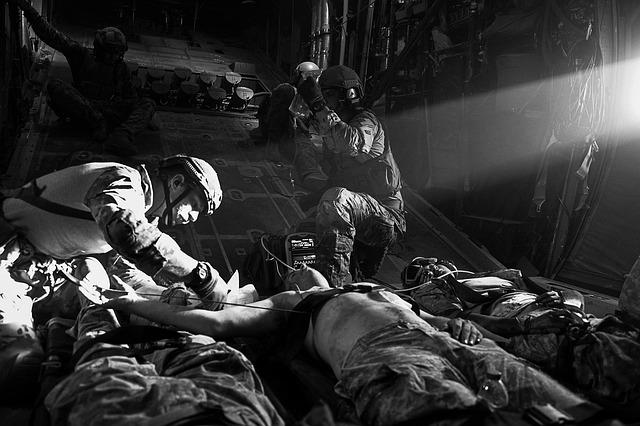
In a significant collaborative effort aimed at enhancing health services, the United States and Saint Kitts and Nevis have successfully concluded the LAMAT 2026 medical mission, a vital initiative designed to provide comprehensive medical support and resources in the region. This mission, which brought together healthcare professionals from both nations, showcased the commitment to strengthening healthcare access and improving medical outcomes for underserved communities. With a focus on delivering essential medical services and fostering goodwill, the LAMAT 2026 mission not only addressed immediate health needs but also laid the groundwork for future partnerships in medical care and public health initiatives.
U.S. and Saint Kitts and Nevis Join Forces for LAMAT 2026 Medical Mission Success
The recent collaboration between the U.S. military and the government of Saint Kitts and Nevis marked a significant milestone in humanitarian efforts through the LAMAT 2026 medical mission. Over the course of the mission, various health services were provided to local communities, showcasing the commitment of both nations to improve health outcomes. Key services offered included:
- General medical consultations
- Dental care
- Pharmaceutical distribution
- Preventive health screenings
The partnership not only aimed to enhance healthcare access but also focused on strengthening ties between the two nations. Personnel from both sides worked side-by-side, sharing knowledge and expertise that enriched the overall experience. The impact of this mission can be seen in the positive feedback from the local population, highlighting the importance of sustained cooperation. A summary of the mission’s outcomes is presented in the table below:
| Health Service | Beneficiaries |
|---|---|
| General Consultations | 1,200 |
| Dental Care | 700 |
| Pharmaceuticals Distributed | 3,500 |
| Health Screenings | 500 |
Key Outcomes and Impact of the LAMAT 2026 Medical Mission on Local Health Care
The LAMAT 2026 medical mission has initiated a transformative wave in local health care throughout Saint Kitts and Nevis. Key outcomes from this collaborative effort have significantly enhanced the community’s access to essential health services. Some notable impacts include:
- Improved Access: Increased availability of medical services across underserved areas.
- Health Education: Workshops and seminars that educated locals on preventive health practices.
- Capacity Building: Training sessions for local health professionals, fostering skills enhancement.
- Collaborative Networks: Strengthened relationships between local and international health organizations.
Furthermore, the mission’s success can be seen in the measurable enhancements to the healthcare system. The following table highlights the pre- and post-mission statistics related to patient care and service delivery:
| Metric | Before LAMAT 2026 | After LAMAT 2026 |
|---|---|---|
| Patients Served | 2,000 | 5,500 |
| Local Health Workers Trained | 50 | 150 |
| Health Workshops Conducted | 5 | 20 |
| Preventive Health Practices Awareness (%) | 30% | 75% |
Recommendations for Future Collaborative Medical Initiatives in the Caribbean Region
As recent medical missions have demonstrated the potential for collaboration between the U.S. and Caribbean nations, future initiatives should prioritize building on these successes with enhanced frameworks. It’s crucial to establish sustainable partnerships that not only address immediate health needs but also build long-term resilience. Key recommendations include:
- Developing multinational health coalitions that leverage resources and expertise across borders.
- Implementing cultural competency training for medical teams to ensure effective communication and care.
- Increasing investments in telemedicine technology to reach remote areas and expand access to specialists.
- Facilitating joint training programs for local and U.S. healthcare professionals focused on endemic health issues.
Moreover, data collection and outcome tracking should be prioritized to evaluate the effectiveness of initiatives and inform future efforts. Establishing a centralized database for health metrics in the Caribbean can enable better resource allocation and program development. Key components to this plan may involve:
| Component | Goal |
|---|---|
| Data Standardization | Ensure uniform health metrics across nations. |
| Regular Reporting | Facilitate continuous assessment of health initiatives. |
| Stakeholder Engagement | Involve local communities in data collection and utilization. |
Insights and Conclusions
In conclusion, the recent conclusion of the LAMAT 2026 medical mission underscores the enduring partnership between the United States and Saint Kitts and Nevis, highlighting their commitment to improving healthcare access and quality in the Caribbean region. This collaborative effort not only addresses immediate medical needs but also fosters goodwill and strengthens diplomatic ties. As the mission wraps up, the positive impact on local communities remains evident, paving the way for future initiatives aimed at enhancing health outcomes and fostering sustainable development. Both nations look forward to continuing this vital cooperation, ensuring that the spirit of mutual aid and community support persists long after the mission has ended.

