

St Kitts and Nevis Country Profile: A Closer Look at the Federation’s Heritage and Challenges
As the smallest country in the Western Hemisphere, St Kitts and Nevis boasts a unique blend of rich history, vibrant culture, and striking natural beauty. Nestled in the Caribbean, this dual-island federation has emerged as a noteworthy player on the global stage, attracting attention for its lush landscapes, thriving tourism industry, and citizenship-by-investment program. However, beyond its picturesque beaches and colonial architecture lies a nation grappling with economic vulnerabilities and environmental challenges. In this profile, we delve into the multifaceted aspects of St Kitts and Nevis, exploring its historical roots, socio-economic dynamics, and the ongoing efforts to navigate a path towards sustainable development amidst a changing world.
St Kitts and Nevis Overview: Geography, Climate, and Culture
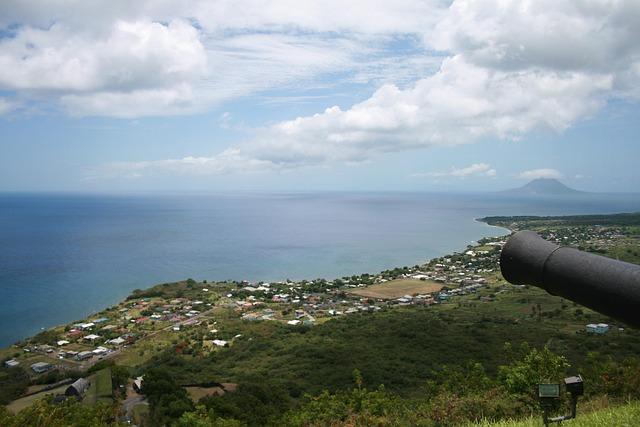
St Kitts and Nevis, the smallest nation in the Western Hemisphere, boasts a vibrant geography characterized by its stunning landscapes and rich biodiversity. Nestled in the Caribbean Sea, this twin-island federation is part of the Lesser Antilles and showcases a variety of topographical features, from volcanic mountains to lush rainforests. Key highlights include:
- Mount Liamuiga: The highest point in St Kitts, rising 1,156 meters above sea level.
- Brimstone Hill Fortress: A UNESCO World Heritage Site, reflecting historical military significance.
- Pinney’s Beach: Renowned for its golden sands and crystal-clear waters, a popular destination for relaxation.
The climate of St Kitts and Nevis is tropical, offering warm temperatures year-round, typically ranging from 23°C to 30°C (73°F to 86°F). The islands experience a wet season from May to November, coinciding with the Atlantic hurricane season, while dry conditions prevail from December to April. This favorable climate supports an array of cultural expressions, making the federation a melting pot of traditions influenced by African, European, and indigenous elements. Notable aspects of culture include:
- Music: The lively rhythms of calypso, soca, and reggae resonate across the islands.
- Festivals: The St Kitts Music Festival and Carnival attract locals and tourists alike for vibrant celebrations.
- Cuisine: A culinary blend featuring dishes like goat water and conch fritters, showcasing the islands’ agricultural bounty.
Economic Landscape: Key Industries and Investment Opportunities
The economy of St Kitts and Nevis is characterized by a mix of traditional and emerging industries, with tourism leading as a cornerstone of economic activity. In recent years, the nation has witnessed a significant shift towards sectors such as information technology and agriculture, particularly in areas of organic farming and agro-processing. The government’s initiatives to diversify the economic base are evident in their push to develop the renewable energy sector, capitalizing on the islands’ natural resources to foster sustainable growth. Investment opportunities abound, especially for businesses looking to tap into eco-friendly practices and technologies.
Furthermore, the real estate sector has become increasingly attractive for foreign investors, driven by citizenship-by-investment programs that offer lucrative returns. In addition to real estate, the manufacturing sector shows promise, with potential for growth in pharmaceuticals and food production. The following table highlights key industries and the corresponding investment opportunities:
| Industry | Investment Opportunity |
|---|---|
| Tourism | Hotel and resort development |
| Information Technology | Tech startups and innovation hubs |
| Agriculture | Organic farming and agro-processing |
| Renewable Energy | Solar and wind energy projects |
Navigating Challenges: Sustainable Development and Future Prospects
As St Kitts and Nevis strives toward sustainable development, the nation faces a variety of environmental and economic challenges that require immediate and strategic action. The effects of climate change, including rising sea levels and increased hurricane intensity, are particularly pressing for this small island nation. To address these issues, St Kitts and Nevis is adopting a multi-faceted approach that includes:
- Investment in Renewable Energy: The government is looking to transition from fossil fuels to renewable energy sources like solar and wind to reduce carbon emissions and promote sustainability.
- Ecotourism Development: Emphasizing sustainable tourism practices to minimize environmental impact while boosting the economy.
- Climate Resilience Initiatives: Implementing programs aimed at enhancing the resilience of infrastructure and ecosystems against climate-related disasters.
In conjunction with these initiatives, the future prospects for economic growth rest on enhancing educational resources and fostering entrepreneurship. By prioritizing human capital development and encouraging innovation, St Kitts and Nevis aims to diversify its economy beyond tourism and agriculture. Key strategies include:
- Enhancing Educational Programs: Focusing on STEM education to equip the next generation with necessary skills.
- Private Sector Engagement: Encouraging public-private partnerships to spur business growth and job creation.
- Research and Development Incentives: Supporting local startups and innovations aimed at solving unique challenges in the region.
Concluding Remarks
In conclusion, St Kitts and Nevis stands as a vibrant example of resilience and cultural heritage in the Caribbean. The nation’s rich history, marked by its colonial past and evolving identity, continues to shape its present and future. As it navigates challenges such as economic diversification and environmental sustainability, St Kitts and Nevis remains committed to fostering growth while preserving its unique landscapes and traditions. As this small yet significant nation strides forward, it offers valuable lessons in adaptation and unity, serving as a testament to the strength of its people and the enduring allure of the Caribbean. For more in-depth insights into St Kitts and Nevis, stay tuned to our comprehensive coverage and analysis on the region’s developments.

