

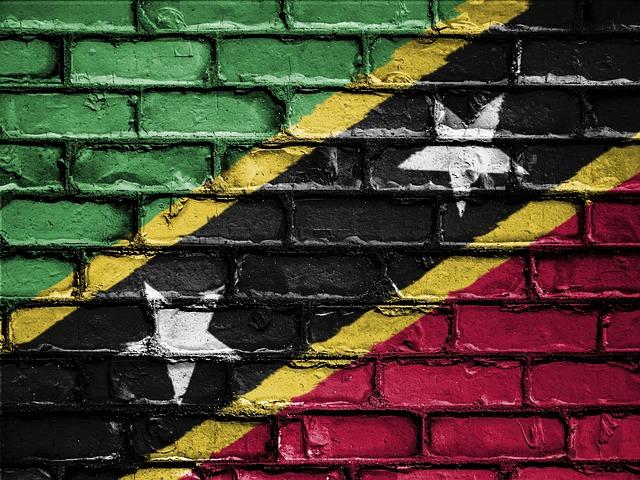
Saint Kitts & Nevis: Navigating Global Relations in a Changing World
In an era marked by rapid geopolitical shifts and increasing competition among nations, the foreign relations strategy of small island states like Saint Kitts and Nevis is becoming more significant on the global stage. This twin-island nation, situated in the Caribbean, not only offers picturesque landscapes and vibrant cultures but also presents a unique case study in diplomatic engagement and international cooperation. As the world’s political landscape evolves, Saint Kitts and Nevis are positioning themselves strategically, forging alliances that enhance their security and bolster economic opportunities. This article delves into the foreign relations of Saint Kitts and Nevis, exploring their partnerships, challenges, and the implications of their diplomatic choices within an increasingly interconnected world.
Saint Kitts and Nevis Strengthens Diplomatic Ties in a Changing Global Landscape
As Saint Kitts and Nevis navigates through an increasingly intricate global landscape, the twin-island nation is taking significant strides to enhance its foreign relations. The government has recently initiated a series of diplomatic engagements aimed at forging stronger alliances with both regional and international partners. These efforts are underscored by a commitment to addressing pressing issues such as climate change, economic development, and security challenges that affect not only the Caribbean but also the wider international community.
To support these diplomatic initiatives, the Federation is focusing on several key areas:
- Strengthening regional cooperation: Collaborating with CARICOM and other regional organizations to foster unity and collective development.
- Enhancing trade relations: Exploring new markets and trade agreements to promote economic resilience and diversification.
- Engaging in international dialogues: Participating in global forums to advocate for small island developing states’ interests.
This proactive approach is reflected in recent visits by foreign dignitaries and the establishment of new embassies, indicating a robust commitment to redefining Saint Kitts and Nevis’ role on the world stage.
Navigating Challenges and Opportunities in Foreign Policy
Saint Kitts and Nevis, a small yet strategically located twin-island nation in the Caribbean, faces a unique blend of challenges and opportunities in its foreign relations. As a member of various international organizations, including CARICOM and the United Nations, it navigates the complexities of global diplomacy while striving to bolster its economic growth. The islands seek to leverage their rich natural resources and cultural heritage to establish stronger bilateral relations, particularly within the realms of trade and tourism. The government actively pursues partnerships focused on sustainable development, education, and healthcare, aiming to enhance the well-being of its citizens.
However, the nation also grapples with several pressing challenges, including climate change, which poses significant risks to its tourism-dependent economy and infrastructure. The rising sea levels and extreme weather events necessitate increased investment in disaster resilience. In response, Saint Kitts and Nevis is strengthening ties with regional and global powers, seeking both financial assistance and technical expertise. Additionally, the islands aim to diversify their economic base by fostering innovation in sectors such as technology and renewable energy. This dynamic approach highlights the dual nature of its foreign policy strategy-addressing immediate threats while capitalizing on long-term opportunities for growth.
Recommendations for Enhancing International Cooperation and Security Strategies
To bolster international cooperation and security strategies, it is vital for Saint Kitts and Nevis to actively pursue diplomatic engagement and multilateral partnerships. One effective approach would be to enhance diplomatic missions to key global and regional organizations such as the United Nations and the Caribbean Community (CARICOM). By strengthening these alliances, the nation can better address common security challenges, share best practices, and leverage support for initiatives aimed at combating transnational crime and promoting regional stability. Increasing participation in peacekeeping missions and collaborating on joint training exercises can also foster greater interoperability with international forces.
Furthermore, establishing a comprehensive framework for information sharing is essential for tackling evolving security threats. This can be achieved through the development of formal agreements with neighboring countries to facilitate intelligence exchange on issues ranging from drug trafficking to cyber threats. The implementation of robust cybersecurity measures and cooperation on disaster response can equally contribute to a more resilient security posture. Additionally, engaging in public awareness campaigns on the importance of community participation in security mechanisms will empower citizens and strengthen national security efforts.
Insights and Conclusions
In conclusion, Saint Kitts and Nevis continues to navigate its foreign relations with a strategic blend of diplomacy and development. As the nation seeks to enhance its international standing and economic prospects, its partnerships with larger powers and regional organizations play a pivotal role. The ongoing commitment to fostering robust ties is evident in its active participation in global discussions, particularly in areas like climate change, security, and economic cooperation. As the world evolves, Saint Kitts and Nevis remains poised to adapt and respond to emerging challenges and opportunities, underscoring its important place in the international community. Moving forward, the nation’s diplomatic efforts and regional collaboration will be crucial in shaping not just its own future, but also the broader Caribbean landscape. For more details on this topic and further developments, stay tuned to GlobalSecurity.org.

