

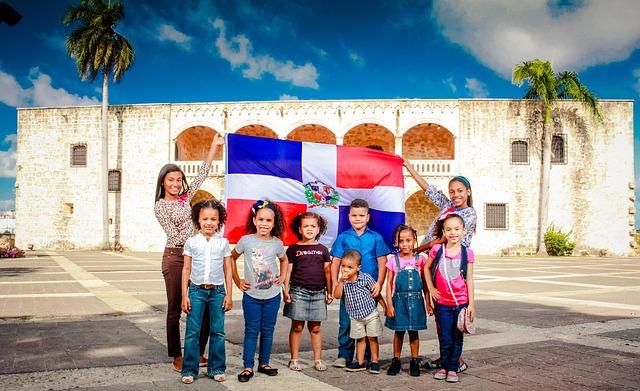
In a significant gathering underscoring the complexities of regional diplomacy, Caribbean leaders convened in St. Lucia this week amidst intensifying pressure from the United States regarding the repatriation of undocumented deportees. As the Biden administration seeks to address growing immigration concerns, the summit serves as a crucial platform for discussing the implications of U.S. policies on Caribbean nations. With discussions focused on regional security, economic stability, and humanitarian considerations, the meeting aims to navigate the delicate balance between cooperation and national sovereignty, highlighting the intricate ties that bind these nations to their northern neighbor. As tensions rise and the stakes grow higher, the outcomes of this summit could have far-reaching implications for both the Caribbean and U.S. immigration policy.
Caribbean Leaders Discuss Strategies for Managing U.S. Deportee Pressure
In an urgent gathering in St. Lucia, Caribbean leaders convened to address the escalating pressure from the United States regarding the repatriation of undocumented migrants and the recent uptick in deportations. The stakes are high as several nations are grappling with the social, economic, and political repercussions of receiving individuals who are often ill-prepared to reintegrate into their home countries. A central point of discussion was the need for a coordinated regional approach to manage returnees, ensuring that they can contribute positively rather than becoming a burden on already strained resources.
Among the proposed strategies, leaders emphasized the importance of establishing community reintegration programs, which could include:
- Vocational training to enhance employment opportunities.
- Access to mental health services to address trauma and social adjustment.
- Collaboration with NGOs for support systems to assist with housing and basic needs.
These programs aim not only to ease the transition for deportees but also to mitigate potential unrest and socio-economic difficulties in host communities. As cooperation among the Caribbean nations becomes increasingly crucial, leaders expressed their commitment to forming a united front in negotiations with the U.S., advocating for more comprehensive policies that acknowledge the complex realities faced by all stakeholders involved.
Insights into Regional Cooperation and Immigration Policies
The recent gathering of Caribbean leaders in St. Lucia highlights the growing emphasis on collaborative approaches to immigration policies amid increasing pressure from the United States regarding the repatriation of deportees. With the U.S. government urging regional partners to accept individuals deported from its borders, Caribbean nations are forced to navigate the complex interplay of humanitarian concerns, national security, and diplomatic relations. Leaders discussed the implications of such policies, focusing on the following key areas:
- Shared Responsibility: Nations acknowledged the need for a unified stance on immigration management to alleviate the burden on individual countries.
- Human Rights Concerns: The emphasis on ensuring that deported individuals are treated with dignity and respect was a major topic of discourse.
- Economic Implications: Discussions also tackled how mass deportations might impact local economies and social services.
In addressing these issues, a collaborative framework was proposed, which aims to enhance region-wide strategies. An insightful table below encapsulates various Caribbean countries’ positions on accepting deportees and their unique policies regarding immigration:
| Country | Current Policy on Deportees | Considerations |
|---|---|---|
| Jamaica | Accepts deportees but advocates for humane treatment | Focus on reintegration programs |
| Haiti | Reluctant acceptance; prioritizes vulnerable populations | Concerns over capacity and safety |
| Dominica | Open to negotiations for returns | Potential for skilled labor shortage |
As Caribbean countries strategize their response to U.S. pressure, it becomes increasingly clear that regional cooperation is essential. Joint efforts to develop comprehensive immigration policies will not only serve to protect the rights of individuals but also enhance diplomatic ties and bolster economic stability across the islands. Continued dialogues in venues like St. Lucia are crucial to addressing these multifaceted challenges effectively.
Recommendations for Strengthening Borders and Reinforcing Diplomatic Relations
In the wake of increasing pressure from the U.S. regarding the repatriation of deportees, Caribbean leaders must adopt a strategic approach to fortify their borders while simultaneously fostering diplomatic relations. Strengthening border control mechanisms will not only enhance national security but also ensure that the region can manage the complexities of immigration effectively. Key recommendations include:
- Implementing advanced technology for border surveillance
- Enhancing training programs for border enforcement agents
- Establishing regional task forces for information sharing
Moreover, a collaborative diplomatic effort is crucial for addressing the root causes of migration and improving regional stability. Engaging in dialogue with the U.S. to develop equitable deportation policies is imperative. Strategies for reinforced diplomatic relations might involve:
- Hosting bilateral talks focused on mutual interest
- Creating a framework for shared economic opportunities
- Establishing a Caribbean Migration Council for coordinated action
| Strategy | Expected Outcome |
|---|---|
| Advanced Technology | Improved border security |
| Bilateral Talks | Better deportation policies |
| Economic Opportunities | Reduced migration pressures |
To Wrap It Up
In conclusion, the recent meeting of Caribbean leaders in St. Lucia underscores the growing concern surrounding the pressure exerted by the United States regarding the repatriation of deportees to their home countries. As regional leaders navigate this complex issue, they must balance the demands of U.S. immigration policies with the socio-economic realities in their own nations. The discussions held in St. Lucia represent a pivotal moment for the Caribbean Community, as leaders seek to establish a unified response that prioritizes the welfare of their citizens while addressing external pressures. As the situation evolves, the outcomes of this gathering could have lasting implications for regional cooperation and the treatment of deportees in the Caribbean, underscoring the need for ongoing dialogue and collaboration among these nations.

