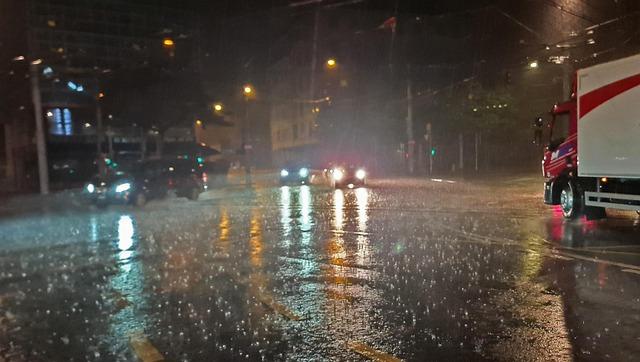
In a devastating turn of events, heavy rainfall in St. Vincent has led to the tragic loss of eight lives, prompting urgent calls for support and recovery efforts. The deluge, which struck the Caribbean island over the weekend, caused widespread flooding and landslides, overwhelming local infrastructure and emergency services. As residents grapple with the aftermath of this natural disaster, authorities are mobilizing resources to aid those affected and assess the full extent of the damage. This article examines the unfolding situation, the response from government agencies, and the resilience of communities facing this latest challenge.
Heavy Rainfall Triggers Tragedy as Eight Lives Lost in St Vincent
In a devastating turn of events, the recent torrential downpours in St Vincent have claimed the lives of eight individuals, plunging the island nation into mourning. The heavy rainfall, which began overnight, resulted in widespread flooding and landslides, significantly impacting several communities. Emergency services are currently engaged in rescue operations, faced with challenging conditions as they navigate through debris-laden roads and submerged areas.
Authorities have reported significant damage to infrastructure, with numerous homes washed away and vital services disrupted. The prime minister has urged residents to remain vigilant and heed evacuation orders where necessary. Key facts about the situation include:
- Deaths: 8 confirmed fatalities
- Displaced Residents: Hundreds forced to evacuate
- Emergency Services: Mobilization under difficult conditions
| Location | Impact |
|---|---|
| Kingstown | Severe flooding; main roads impassable |
| Bequia | Landslides; power outages reported |
| Union Island | Evacuations ordered; shelters set up |
Community Responses and Support Mechanisms Following the Devastating Floods
The aftermath of the recent floods in St. Vincent has sparked an outpouring of solidarity from local communities and organizations. Citizens have banded together to provide immediate assistance to those affected, establishing grassroots initiatives aimed at delivering food, clothing, and shelter. Among the various support mechanisms, notable efforts include:
- Community Shelters: Local schools and community centers have opened their doors to offer refuge for displaced families.
- Food Drives: Neighbors are organizing food collection drives, with contributions flowing in from across the island.
- Volunteer Relief Teams: Groups of volunteers have mobilized to help with debris removal and to distribute essential supplies.
In addition to immediate community efforts, several non-governmental organizations are stepping in to provide long-term support. Initiatives focused on mental health care and rebuilding efforts have gained traction, demonstrating a commitment to long-term recovery. Some planned actions include:
| Action | Description |
|---|---|
| Mental Health Support | Workshops and counseling sessions aimed at helping individuals cope with the psychological impact of the floods. |
| Reconstruction Plans | Collaborative projects to restore homes and critical infrastructure damaged by the floods. |
| Fundraising Events | Community-led events designed to raise funds for ongoing recovery efforts. |
Recommendations for Enhanced Disaster Preparedness and Response Strategies
The recent devastating rainfall in St. Vincent underscores the urgent need for robust disaster preparedness and response strategies across vulnerable regions. Communities must prioritize the development of comprehensive emergency response plans that incorporate local knowledge and expertise. Key initiatives could include:
- Establishing Early Warning Systems: Investing in technology to alert residents in real-time about severe weather conditions.
- Conducting Training Sessions: Regular training for local emergency responders and community volunteers to ensure efficient and organized action during a disaster.
- Creating Community Resilience Programs: Engaging local populations in disaster risk reduction activities to empower them in crisis situations.
Moreover, collaboration among government agencies, non-profit organizations, and international aid groups can enhance resource allocation and crisis response. A segmented approach to emergency preparedness might include:
| Area of Focus | Recommended Actions |
|---|---|
| Infrastructure | Upgrade drainage systems and roads to withstand heavy rainfall. |
| Community Awareness | Host workshops to educate citizens about disaster preparedness. |
| Emergency Supplies | Create stockpiles of essential supplies in accessible locations. |
Key Takeaways
In conclusion, the devastating impact of the heavy rainfall in St. Vincent highlights the ongoing vulnerability of the Caribbean region to extreme weather events. As rescue and recovery efforts continue, local authorities face the urgent task of providing support to affected communities while assessing the damage caused by the deluge. With the loss of eight lives and widespread destruction, this tragedy serves as a stark reminder of the need for robust disaster preparedness and response mechanisms in the face of increasingly unpredictable climatic conditions. Our thoughts are with the victims’ families and all those affected during this challenging time. The situation remains fluid, and updates will be provided as more information becomes available.