
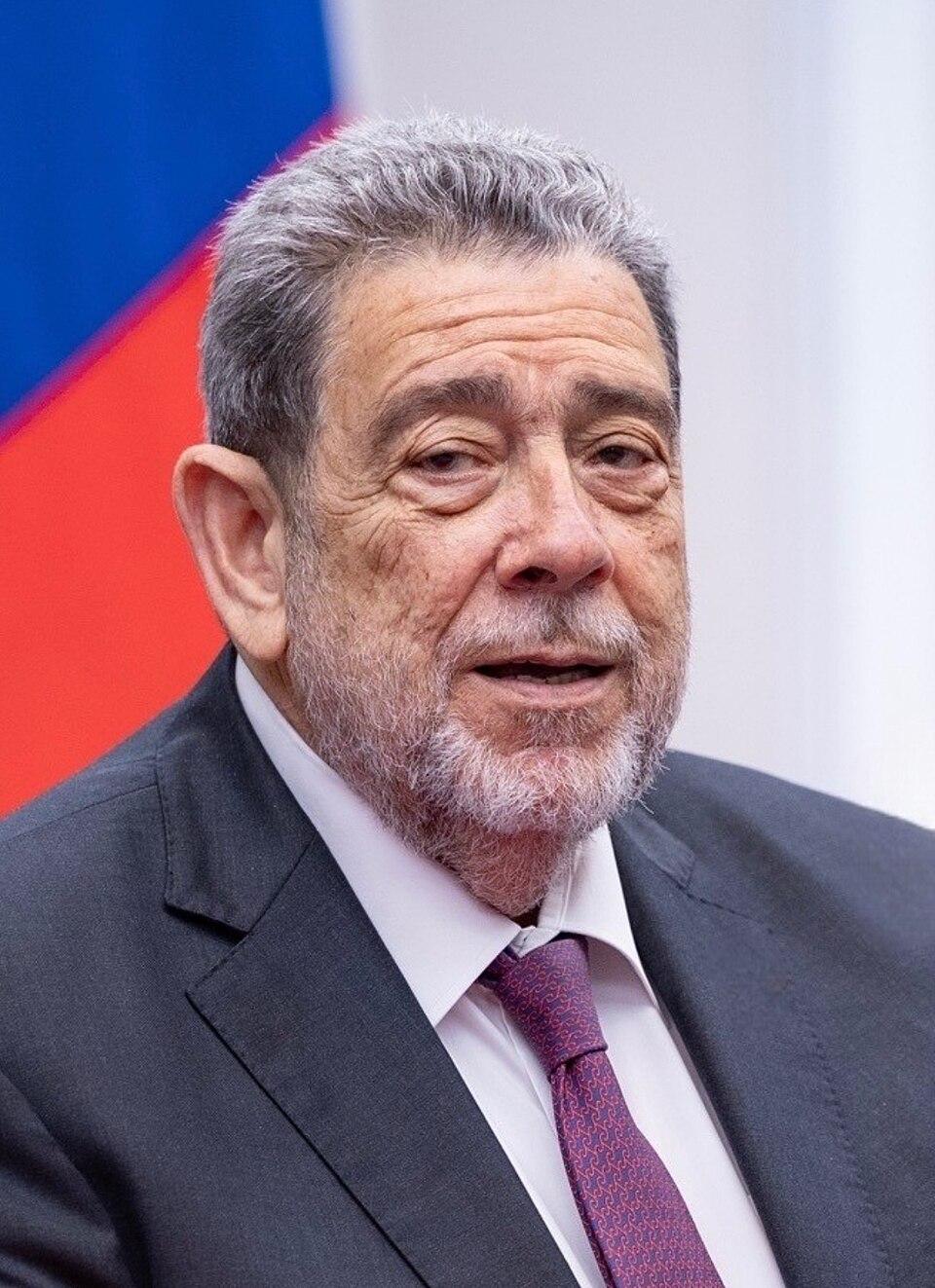
In a recent statement, Prime Minister Ralph Gonsalves of St. Vincent and the Grenadines has raised concerns regarding the potential ramifications of U.S. tariffs on regional criminal activities. As tensions rise over trade policies, Gonsalves warns that these tariffs could inadvertently lead to a shift in criminal operations, with St. Vincent and the Grenadines becoming a potential hotspot for illicit activities. This development comes amid ongoing discussions about trade in the Caribbean, prompting calls for collaborative measures to enhance regional security and address the possible influx of crime stemming from external economic pressures. The implications of such a shift could have significant consequences not only for St. Vincent but for the wider Caribbean region, prompting renewed focus on both economic resilience and law enforcement strategies.
Gonsalves Emphasizes Regional Crime Implications of US Tariffs on Caribbean Nations
Prime Minister Ralph Gonsalves has raised serious concerns about the potential influx of criminal activities in St Vincent and the Grenadines as a direct consequence of recent tariffs imposed by the United States on various goods from the Caribbean region. He argues that these tariffs could lead to economic downturns, driving individuals toward illicit activities as a means of survival. This situation presents a unique challenge for St Vincent and the Grenadines, a nation already grappling with its share of crime-related issues. Gonsalves highlighted that the socio-economic pressures resulting from these tariff policies may push desperate individuals into the hands of regional criminals, thereby increasing the likelihood of criminal syndicates redirecting their operations to the islands.
To illustrate the potential implications, Gonsalves outlined several warning signs and repercussions associated with the rising crime rates that could follow suit:
- Increased Drug Trafficking: As economic conditions deteriorate, drug syndicates may find St Vincent and the Grenadines a viable transit point.
- Surge in Violent Crime: Desperation may lead to an uptick in robberies and assaults among economically disenfranchised groups.
- Capacity Strain on Law Enforcement: Agencies may struggle to cope with the growing criminal landscape, possibly leading to a breakdown in public safety.
The Prime Minister is calling for collaborative efforts among Caribbean nations and stronger partnerships with international allies to combat these looming threats and protect the stability of the region.
The Potential Impact of Economic Strain on Criminal Activity in St Vincent and the Grenadines
The recent warning from Prime Minister Ralph Gonsalves regarding potential economic strain due to US tariffs has raised alarm bells about a possible rise in criminal activity within St Vincent and the Grenadines. The interconnection between economic hardship and increased crime rates is a well-documented phenomenon, particularly in small islands that may lack robust law enforcement resources. With limited avenues for lawful employment, disenfranchised individuals may be more likely to turn to illicit activities as a means of survival. The implications of this shift could be wide-reaching, affecting not only local communities but the tourism-dependent economy.
Several factors contribute to this growing concern, including:
- Unemployment Rates: As industries face challenges, job losses could lead to higher desperation among residents.
- Drug Trafficking Risks: An influx of regional criminals may increase competition for drug markets.
- Social Discontent: Economic strain can lead to civil unrest, making communities more vulnerable to crime.
- Increased Policing Costs: A surge in criminal activity may require additional funding for law enforcement, straining government resources.
To better understand the potential shifts in criminal dynamics, a focused analysis of historical trends and economic indicators is essential. The following table illustrates the correlation between economic downturns and crime rates in similar jurisdictions:
| Year | Economic Indicator | Crime Rate Change (%) |
|---|---|---|
| 2010 | Recession | 15% |
| 2015 | Stable Growth | -5% |
| 2020 | Global Pandemic | 20% |
| 2023 | Projected Tariff Impact | Pending Analysis |
This data suggests a significant link between economic conditions and crime rates, highlighting the urgent need for proactive measures by the government to bolster economic stability and community safety in the face of potential new threats.
Recommendations for Strengthening Regional Security Cooperation Amidst Economic Challenges
The warning from PM Gonsalves regarding the potential influx of regional criminals into St. Vincent and the Grenadines as a consequence of increased US tariffs underscores a critical need for enhanced security measures. In light of these economic challenges, regional governments should prioritize collaboration to address not only crime but also the underlying socioeconomic factors that contribute to it. Establishing a comprehensive security framework that encourages communication and resource sharing among national law enforcement agencies will be vital. This could involve:
- Joint Task Forces: Forming specialized units that focus on transnational crime and share intelligence across borders.
- Regional Training Programs: Implementing training for law enforcement personnel to better equip them with the skills necessary to combat evolving criminal tactics.
- Community Engagement Initiatives: Encouraging community-based programs that foster trust between citizens and law enforcement, reducing crime rates at a grassroots level.
Additionally, fostering partnerships with international agencies can bolster regional efforts to combat crime effectively. Investment in technology and data analytics should be pursued to monitor and respond to threats promptly. Collaborative efforts could include:
| Initiative | Objective | Expected Outcome |
|---|---|---|
| Cross-Border Intelligence Sharing | Enhance real-time information flow | Improved response to criminal activities |
| Regional Security Summits | Facilitate dialogue among leaders | Unified approach to crime prevention |
| Joint Emergency Response Drills | Test and improve cooperation tactics | Increased operational readiness |
Collectively, these actions will fortify the region’s security framework amidst economic uncertainties, transforming potential pitfalls into opportunities for resilience and cooperation.
In Retrospect
In conclusion, Prime Minister Ralph Gonsalves’ warning regarding the potential implications of U.S. tariffs underscores a critical intersection of international trade policy and regional security. As Caribbean nations navigate the ripple effects of these tariffs, the prospect of increased criminal activity in St. Vincent and the Grenadines presents a pressing challenge that demands vigilance and proactive measures from both local authorities and regional partners. With the threat of redirected crime looming, Gonsalves calls for a united response among Caribbean states to bolster security infrastructure and promote economic resilience. As the situation unfolds, it will be essential for stakeholders to monitor developments closely, ensuring that the region’s stability and safety remain a top priority amid evolving geopolitical pressures.











