

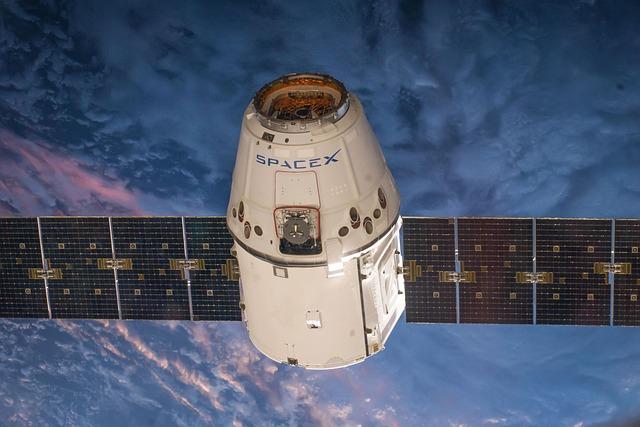
In a significant shift within the landscape of space exploration, SpaceX, once a burgeoning partner of NASA, has reached a level of self-sufficiency that raises questions about the future of America’s space agency. With its recent successes in launching astronauts, resupplying the International Space Station, and developing ambitious projects like Starship, SpaceX has transformed the dynamics of public-private partnerships in aerospace. This evolution not only underscores the company’s astronomical rise but also highlights growing concerns regarding NASA’s role and relevance in an era where commercial enterprises are assuming a more prominent position in space endeavors. As SpaceX continues to carve its own path beyond reliance on government contracts, the implications for NASA’s budget, mission, and long-term objectives necessitate a closer examination of what this shift means for the future of U.S. space exploration.
SpaceX’s Independence Raises Questions About NASA’s Future Role
As SpaceX continues to assert its independence from NASA, the implications for the future of America’s space agency are profound. Unencumbered by traditional partnerships, SpaceX has forged its own path, delivering cargo and astronauts to the International Space Station (ISS) under its own momentum. This independence, while showcasing the company’s capabilities, raises critical questions about the future of NASA’s role in a landscape increasingly dominated by private enterprise. Without reliance on government contracts, SpaceX’s success could potentially steer investment and attention away from public space programs, jeopardizing NASA’s funding and mission objectives.
The partnership model that once defined the relationship between government space agencies and private companies is evolving rapidly. If commercial entities like SpaceX can operate successfully on their own terms, urgent challenges arise for NASA, including:
- Innovation Funding: Will private initiatives eclipse governmental projects in research and development funding?
- Mission Clarity: What role will NASA play in a new era where commercial interest drives space exploration agendas?
- Collaborative Efforts: Can NASA and commercial entities collaborate effectively, or will competition hinder progress?
| Aspect | NASA | SpaceX |
|---|---|---|
| Primary Focus | Government Missions | Commercial Launch Services |
| Funding Sources | Taxpayer Funding | Private Investment |
| Mission Duration | Long-Term Goals | Short-Term Contracts |
| Efficiency | Bureaucratic Processes | Agile Operations |
The Implications of SpaceX’s Self-Sufficiency for America’s Space Strategy
SpaceX’s newfound ability to operate independently from NASA presents a paradigm shift in the realm of space exploration and presents numerous challenges for traditional American space strategies. The company, now capable of launching its own missions, significantly reduces its reliance on government contracts for funding and technological support. This shift could lead to a fragmentation of efforts in the space sector. The focus may pivot from collaborative projects between SpaceX and NASA to individual, profit-driven goals that might not align with national interests. Without the regulatory guidance and collaborative strategies that NASA provides, SpaceX’s trajectory could prioritize commercial profitability over scientific exploration and safety.
The implications are profound when considering the competitive landscape of space. The emergence of a self-sufficient SpaceX might prompt other private entities to accelerate their own ambitions, ultimately dividing federal resources and attention. This bifurcation could result in a decrease in funding for NASA-led initiatives, leading to potential gaps in capabilities and slower progress on long-term missions such as crewed Mars exploration. Consequently, America risks falling behind international competitors who may be more inclined to work together and leverage national capabilities for mutual gain. A two-pronged strategy may become necessary to harmonize the interests of private enterprises with the overarching goals of national space policy.
Recommendations for NASA to Reinvent Its Mission in an Evolving Space Landscape
As the landscape of aerospace continues to evolve, NASA must embrace a paradigm shift that positions it not just as a government agency, but as a key player within a burgeoning commercial space economy. To achieve this, NASA should focus on the following strategic initiatives:
- Foster Public-Private Partnerships: Strengthening collaborations with private entities like SpaceX and Blue Origin can enhance innovation and expand capabilities.
- Emphasize Research and Development: Allocating more resources to cutting-edge research in propulsion, materials science, and robotics can keep NASA at the forefront of space exploration technology.
- Expand International Collaboration: Engaging with international space agencies can pool resources and expertise, leading to shared missions and broader scientific objectives.
Navigating this new era requires NASA to redefine its missions and priorities in response to commercial advances. This can include:
| Current Focus | Recommended Shift |
|---|---|
| Human Spaceflight | Focus on deep space missions and habitat technologies |
| Launch Services | Move towards mission support and logistics for commercial partners |
| Planetary Science | Enhance collaboration with universities for research |
By strategically adopting these recommendations, NASA can reclaim its pivotal role in the space sector and leverage its unique assets to not only coexist with private companies but also to steer humanity’s next giant leap into the cosmos.
In Retrospect
As SpaceX continues to thrive independently within the realm of space exploration, the implications for NASA are profound. The shift in dependency raises critical questions about the future of America’s space agency and its role in shaping the next chapter of human exploration beyond our planet. While SpaceX’s ascendance showcases the innovation and capability of private enterprise, it also highlights a potential erosion of NASA’s foundational mission as a steward of space exploration. The balance of public and private interests in this new era will be pivotal as both entities navigate the uncharted territories of technological advancement and international competition. As we look to the stars, the collaboration-or competition-between NASA and the likes of SpaceX may ultimately redefine the very essence of space exploration for generations to come. The coming years will be telling; will NASA adapt to this evolving landscape, or will it risk becoming an ancillary player in its own domain? The answers may determine not only the future of American spaceflight but also the global dynamics of space exploration.

