

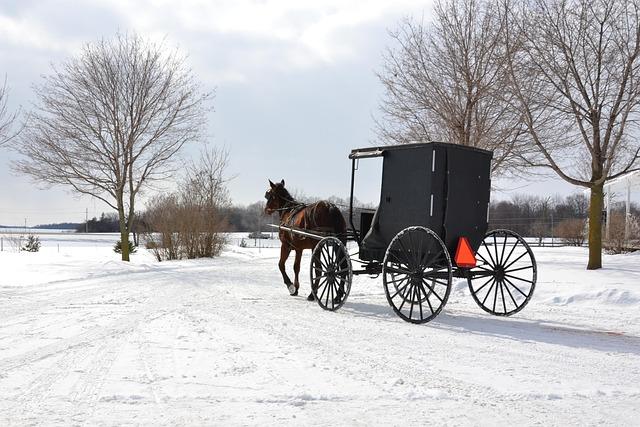
In the dense rainforests of Suriname, a quiet but profound transformation is underway. As Mennonite communities seek to establish new settlements in this largely untouched landscape, local inhabitants express growing concerns about the implications for their way of life. For generations, Indigenous and Afro-Surinamese groups have thrived off the land, relying on the forest for sustenance and cultural identity. However, the influx of new settlers raises pressing questions about land rights, environmental sustainability, and the socio-economic dynamics that have long defined this diverse nation. Amidst these tensions, the delicate balance between development and preservation hangs in the balance, prompting urgent discussions among policymakers, community leaders, and environmental advocates. This article explores the rising fears in Suriname as Mennonites look to carve out a niche in a landscape that is both precious and vulnerable.
Mennonite Expansion Threatens Indigenous Lands and Biodiversity in Suriname
In a critical zone of Suriname, the ongoing expansion of Mennonite settlements has sparked significant concerns among Indigenous communities regarding their ancestral lands and the delicate ecological balance of the rainforest. The Mennonite community, known for its agricultural practices, is increasingly eyeing these untouched areas for farming and development. This encroachment not only threatens the traditional livelihoods of Indigenous peoples, who rely on the forest for sustenance and cultural identity, but it also poses major risks to biodiversity. The conversion of forest land into agricultural fields compromises habitats for countless species, further diminishing the rich biological resources that the region has to offer.
Grassroots activists and local leaders have voiced alarm over the rapid pace of settlement, emphasizing the plight of species that may become endangered due to habitat destruction. The fears are compounded by the potential disruption of traditional hunting and foraging practices, which have sustained Indigenous communities for generations. In response to the advancing Mennonite presence, several organizations are mobilizing local populations to advocate for land rights, aiming to safeguard their territory against what they perceive as an existential threat. An increase in awareness and international attention on the interaction between these settler communities and Indigenous groups is essential to fostering dialogue and preserving both cultural heritage and ecological integrity.
Local Communities Voice Concerns Over Deforestation and Resource Depletion
Local communities in Suriname are increasingly concerned about the ongoing deforestation and resource depletion fueled by the imminent settlement of Mennonites in previously untouched forests. Among the primary fears are the potential loss of biodiversity and the disruption of traditional livelihoods that have thrived in harmony with the forest for generations. The populations dependent on these natural resources are raising alarms about how such developments could irrevocably change their way of life, highlighting the following key issues:
- Threat to Indigenous Species: Deforestation poses a significant risk to the unique flora and fauna that inhabit the region, threatening ecosystems that have existed for centuries.
- Loss of Cultural Heritage: Many local communities view the forest not just as a resource, but as a core component of their cultural identity and way of life.
- Economic Impact: The destruction of these natural resources could undermine traditional practices such as hunting and gathering, which are integral to the community’s economy.
In response to these pressures, community leaders are organizing to amplify their voices and actively engage in dialogue with governmental authorities and potential settlers. They are advocating for sustainable land use practices that can help balance development with the preservation of their ancestral lands. A recent community meeting outlined strategies for resistance and collaboration, with key points highlighted in the table below:
| Strategy | Description |
|---|---|
| Community Mobilization | Uniting local voices to form a unified front against unregulated development. |
| Awareness Campaigns | Educating both local and international stakeholders about the importance of protecting these ecosystems. |
| Collaboration with NGOs | Partnering with organizations to strengthen advocacy efforts and gain access to resources. |
Strategies for Sustainable Coexistence: Balancing Agriculture and Conservation in Suriname
As Mennonite communities explore opportunities for settlement in Suriname, a delicate balance must be struck between agricultural expansion and environmental conservation. The region’s lush forests are not just a resource but a vital ecosystem that supports diverse wildlife and indigenous cultures. To ensure the sustainable coexistence of farming and conservation, stakeholders can implement several key strategies:
- Agroforestry Practices: Integrating trees into agricultural landscapes can enhance productivity while preserving biodiversity.
- Land-Use Planning: Mapping and zoning can help delineate areas suitable for agriculture and those that should remain untouched.
- Community Engagement: Involving local populations in conservation efforts ensures their needs and knowledge are respected and utilized.
- Promotion of Sustainable Farming Techniques: Educating farmers about organic and low-impact methods can minimize environmental harm.
Furthermore, effective monitoring and evaluation measures are crucial to assess the impact of agricultural practices on Suriname’s ecosystems. Collaboration between local communities, government, and conservation organizations can foster an environment for sustainable development. A potential framework for this cooperation is outlined in the table below:
| Stakeholder | Role | Potential Contributions |
|---|---|---|
| Local Communities | Implement & Adapt Practices | Traditional Knowledge, Sustainable Practices |
| Government | Policy & Regulation | Framework Development, Enforcement |
| Conservation Groups | Research & Advocacy | Funding, Expertise in Biodiversity |
In Retrospect
As tensions mount regarding the proposed settlement of Mennonite communities in Suriname, the delicate balance between development and environmental preservation becomes increasingly precarious. Local inhabitants express their fears about the potential impact on their livelihoods and the rich biodiversity of the region that they rely upon. The situation highlights the broader challenges facing many communities around the world as they grapple with the pressures of new settlements encroaching on traditional ways of life and natural resources. As discussions continue, it remains crucial for authorities to engage with all stakeholders to ensure that the rights and needs of existing residents are respected while seeking sustainable solutions that consider both cultural heritage and environmental stewardship. The unfolding narrative in Suriname serves as a poignant reminder of the complex interplay between human settlement and the natural world, urging us to tread carefully in our quest for progress.

