

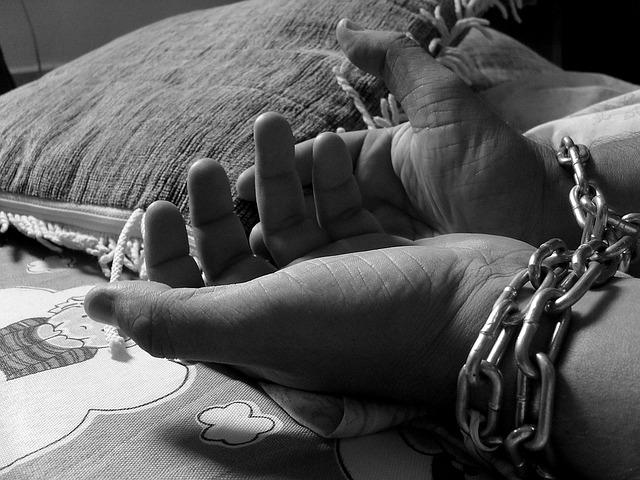
In a harrowing yet ultimately inspiring tale, one woman’s journey from the depths of human trafficking to liberation sheds light on a dark and pressing issue in Trinidad and Tobago. The International Organization for Migration (IOM) recently documented her experience, highlighting the grim realities faced by many vulnerable individuals ensnared in human trafficking networks across the region. Her escape not only underscores the critical need for increased awareness and action against this pervasive crime but also serves as a testament to resilience and hope. As the IOM works tirelessly to combat human trafficking, her story stands as a call to arms for governments, organizations, and communities to confront this scourge and protect the rights and dignity of those caught in its grasp.
Understanding Human Trafficking in Trinidad and Tobago: A Survivor’s Journey
In the heart of Trinidad and Tobago, the grim reality of human trafficking often goes unnoticed. For many, the facade of a better life lures unsuspecting individuals into a web of exploitation. This was the experience of a woman whose harrowing journey began with promises of a well-paying job that quickly turned into a nightmare. Despite the challenges she faced, her resolve to escape was fueled by dire circumstances and the sheer will to reclaim her life. With the assistance of local authorities and NGOs, she was eventually freed from her captors, highlighting the critical need for increased awareness and proactive measures to combat trafficking in the region.
The aftermath of her escape revealed the profound impact that human trafficking has on survivors. Many, like her, require extensive support to rebuild their lives. Common elements of recovery include:
- Counseling and Mental Health Support: Addressing psychological trauma is essential for long-term healing.
- Legal Assistance: Navigating the legal system can empower survivors to seek justice.
- Economic Opportunities: Skill development and job placement programs are vital for reintegration into society.
Organisations like the International Organization for Migration have been instrumental in providing these essential services, ensuring that survivors not only escape their traffickers but also reclaim their autonomy and dignity as they embark on a journey toward healing and empowerment.
Strategies for Prevention and Protection: Lessons from One Woman’s Experience
In the face of adversity, the resilience shown by one survivor of human trafficking in Trinidad and Tobago underscores the importance of community engagement and awareness in preventing such crimes. Her experience highlights the need for comprehensive education programs that empower individuals with knowledge about their rights, available resources, and the tactics used by traffickers. To bolster prevention efforts, communities can adopt strategies such as:
- Outreach Programs: Conducting workshops and seminars to disseminate information about human trafficking.
- Collaboration with Local Authorities: Partnering with law enforcement and NGOs to create a supportive network for victims.
- Social Media Campaigns: Utilizing digital platforms to raise awareness and disseminate critical information.
Furthermore, robust protection strategies are essential for safeguarding potential victims and ensuring their long-term recovery. The survivor’s journey illustrates how tailored support systems can make a significant difference. Authorities and organizations can implement measures such as:
| Protection Measure | Description |
|---|---|
| Crisis Response Teams | Immediate access to qualified professionals trained in trauma-informed care. |
| Legal Advocacy | Offering legal assistance to navigate the justice system and secure rights. |
| Safe Shelters | Providing safe havens for survivors to heal and rebuild their lives. |
By implementing these strategies, communities can create a stronger defense against human trafficking and foster environments where individuals feel safe and empowered to seek help.
Empowering Victims: Recommendations for a Collaborative Response to Human Trafficking
In addressing the devastating impact of human trafficking, it is essential to foster an environment where victims feel safe, supported, and empowered. Local governments, civil society organizations, and international bodies must work in tandem to create a holistic support system for survivors. This collaboration could include:
- Enhanced Training for Law Enforcement: Providing officers with specialized training in trauma-informed practices to better understand and respond to victims’ needs.
- Accessible Legal Assistance: Ensuring that survivors have access to legal resources to navigate the complexities of their situation and seek justice.
- Support Services: Establishing easily accessible shelters and counseling services focused on mental health, legal advocacy, and job reintegration.
- Public Awareness Campaigns: Launching initiatives aimed at educating the community about the signs of trafficking and the importance of reporting suspicious activities.
Furthermore, sharing successful intervention stories can illuminate best practices and inspire action across various sectors. Collaboration should also prioritize data collection and analysis, allowing stakeholders to better understand trends and patterns in trafficking. Consider the following key components in building a comprehensive response:
| Component | Description |
|---|---|
| Community Engagement | Involve local residents in the prevention and reporting of trafficking cases. |
| Cross-Border Cooperation | Enhance collaboration with neighboring countries to tackle trafficking networks effectively. |
| Survivor-Centric Policies | Implement policies that prioritize the needs, rights, and voices of survivors. |
To Conclude
As the plight of human trafficking continues to be a pressing issue globally, the story of this woman serves as a poignant reminder of both the vulnerabilities faced by individuals and the resilience of the human spirit. Her escape in Trinidad and Tobago underscores the critical role of organizations like the International Organization for Migration in combating this pervasive crime and supporting survivors. Through their efforts, more victims can find a path to freedom and healing. However, much work remains to be done. Increasing awareness, advocating for robust policies, and fostering community involvement are essential steps in eradicating human trafficking. As we reflect on this harrowing journey, it is imperative that we all contribute to the fight against trafficking, ensuring that no one is left behind in the shadows of exploitation.

