

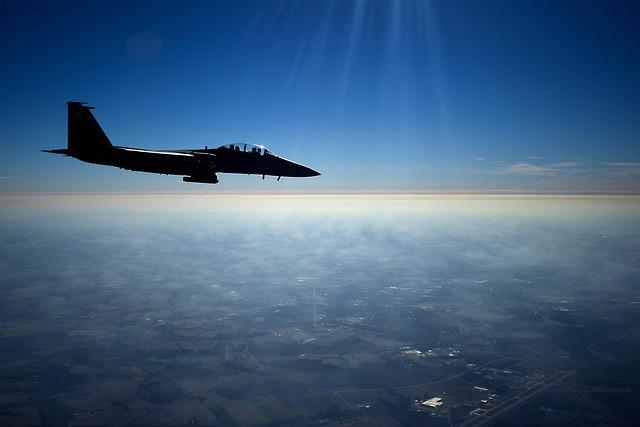
In a dramatic escalation of geopolitical tensions in the Caribbean, a U.S. military strike on a Venezuelan vessel has thrust Trinidad and Tobago into the spotlight, caught between two colossal regional powers. As the fallout from the operation reverberates through the region, questions arise not only about maritime security but also about the broader implications for diplomatic relations and regional stability. This incident underscores the precarious position of Trinidad and Tobago, a nation now grappling with the consequences of international power dynamics playing out in its own backyard. In this article, we explore the details of the strike, the reactions from both the U.S. and Venezuelan governments, and the challenges faced by Trinidad and Tobago as it navigates this complex geopolitical landscape.
U.S. Military Action Provokes Regional Tensions and Challenges for Trinidad & Tobago
The recent U.S. military strike on a Venezuelan vessel has significantly escalated regional tensions, placing Trinidad & Tobago in a precarious geopolitical position. The Caribbean nation, traditionally focused on maintaining diplomatic relations, now finds itself navigating the treacherous waters of international politics, as the actions of a powerful neighbor reverberate throughout the region. With Venezuela’s ongoing economic and political crisis, and its close ties with various countries, including Russia and China, Trinidad & Tobago faces a delicate balancing act in maintaining its sovereignty while addressing security concerns.
In the aftermath of the military action, several implications for Trinidad & Tobago have emerged:
- Increased Military Vigilance: With the possibility of further U.S. operations, there may be pressure on Trinidad & Tobago to enhance its own maritime security forces.
- Diplomatic Strain: The government’s ability to maintain neutrality in the face of external pressures will be tested, potentially straining relations with Venezuela and its allies.
- Economic Uncertainties: The ripple effects on trade and investment due to heightened tensions could pose challenges for the economy, particularly in oil and gas sectors.
| Impacts on Trinidad & Tobago | Description |
|---|---|
| Security Concerns | Potential for increased military activity in surrounding waters. |
| Diplomatic Relations | Challenges in sustaining a neutral position in foreign affairs. |
| Economic Impact | Risks to trade volume and investor confidence across sectors. |
Diplomatic Maneuvers: Navigating Relations Amidst U.S. and Venezuelan Pressures
The geopolitical landscape of the Caribbean has shifted dramatically in recent weeks, particularly following the U.S. military strike on a Venezuelan vessel, which has left Trinidad & Tobago balancing its diplomatic relations amid rising tensions. As the United States asserts its influence in the region to counteract Venezuela’s growing political assertiveness under Nicolás Maduro, Trinidad & Tobago finds itself at a crossroads. The implications of these maneuvers are far-reaching, and several factors are fueling this complex situation:
- Economic Considerations: As a neighbor to Venezuela, Trinidad & Tobago relies heavily on oil and gas trade, making the economic fallout from regional instability a major concern.
- Diplomatic Strain: The dual pressures from the U.S. and Venezuela compel Trinidad and Tobago to navigate support without alienating either side.
- Security Risks: There is a growing fear of spillover violence or political fallout that could destabilize the Caribbean basin.
With the U.S. enhancing its naval presence and making clear its stance against perceived threats, Trinidad & Tobago’s foreign policy must encompass a delicate balance. Recent meetings with regional leaders have underscored the urgency of forming a unified response to the changing dynamics:
| Stakeholder | Position |
|---|---|
| United States | Supportive of regime change in Venezuela |
| Venezuela | Defensive against perceived imperialism |
| Trinidad & Tobago | Seeking stability and economic security |
In this intricate dance of diplomacy, the goals of peace and regional integrity are paramount. Analysts suggest that the future of Trinidad & Tobago’s foreign relations will depend heavily on its ability to advocate for dialogue and cooperation, rather than confrontation, while ensuring its own national interests are not compromised by the pressures of these formidable neighbors.
Strategic Recommendations for Trinidad & Tobago’s Foreign Policy Moving Forward
The recent military confrontation involving a Venezuelan vessel has underscored the precarious position of Trinidad & Tobago within the geopolitical landscape of the Caribbean. Moving forward, it is essential for Trinidad & Tobago to pursue a foreign policy that emphasizes diplomatic engagement, regional cooperation, and balanced relations with both the U.S. and Venezuela. By adopting a multilateral approach, the nation can foster stronger ties with CARICOM members, ensuring that collective security is prioritized. Additionally, Trinidad & Tobago should consider enhancing its participation in regional defense initiatives to present a united front against external threats.
To effectively navigate this turbulent scenario, strategic recommendations include:
- Establishing a neutral diplomatic channel with Venezuela to facilitate open dialogue and mitigate tensions.
- Deepening ties with U.S. allies in the region to promote stability and bolster economic partnerships.
- Promoting Caribbean unity through forums and discussions aimed at addressing shared security challenges.
- Investing in maritime security capabilities to protect national interests and maintain sovereignty over territorial waters.
To further bolster its strategic position, Trinidad & Tobago might also consider examining initiatives such as:
| Initiative | Description |
|---|---|
| Caribbean Security Cooperation | A framework for addressing common defense and security challenges collaboratively among Caribbean nations. |
| Joint Naval Exercises | Participating in regular exercises with both U.S. and regional navies enhances readiness and inter-operability. |
| Economic Diplomacy | Utilizing trade agreements as leverage to promote stability and peace across borders. |
Future Outlook
In the wake of the U.S. military strike on a Venezuelan vessel, Trinidad and Tobago finds itself navigating a precarious diplomatic landscape, caught between the competing interests of regional powers. As tensions escalate in the Caribbean Sea, the implications for Trinidad and Tobago’s foreign policy and economic stability are profound. Authorities in Port of Spain are faced with the urgent need to balance national security concerns with the historical ties and complex relationships with both the U.S. and Venezuela. The incident underscores a broader narrative of power dynamics in the region, highlighting the challenges small nations like Trinidad and Tobago face when larger nations assert their military might. As the situation unfolds, the global community watches closely, with the potential for far-reaching consequences that extend beyond the Caribbean. For now, Trinidad and Tobago stands at a crossroads, seeking to assert its sovereignty while navigating the turbulent waters of international relations.

