

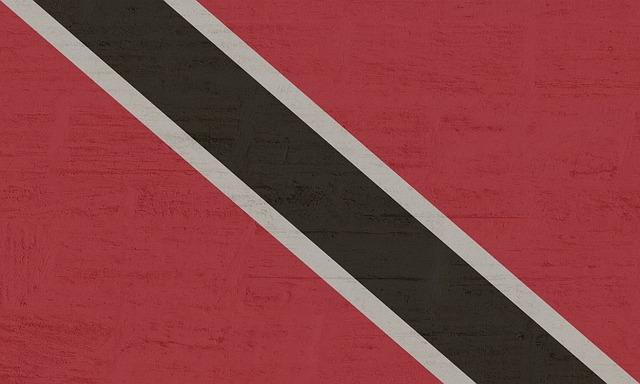
In a surprising turn of events, the leader of Trinidad has walked back earlier assertions regarding the presence of U.S. Marines on the island, clarifying that their deployment is specifically linked to the enhancement of airport radar systems. This revelation follows widespread speculation and concern over the nature of U.S. military involvement in the Caribbean nation, raising questions about sovereignty and security amidst a backdrop of regional instability. In an announcement that has prompted both support and apprehension among citizens and officials alike, the government’s explanation aims to allay fears while highlighting the collaborative efforts aimed at modernizing infrastructure. The implications of this development are significant, as Trinidad navigates its complex relationship with international partners in an era of heightened geopolitical tensions.
Trinidad’s Government Clarifies US Military Presence Amid Controversy
The government of Trinidad and Tobago has officially addressed the growing concerns regarding the presence of US Marines in the country. Amid rumors and rising tensions, officials clarified that the military personnel are not engaged in any combat operations but are instead providing essential support for the enhancement of airport radar systems. This announcement came after significant public outcry and speculation over the potential implications of foreign military presence in the Caribbean nation.
In a statement, government representatives emphasized that the collaboration is intended to fortify security measures and improve aviation safety. The key points from the clarification include:
- Non-combat role: US Marines are focused solely on technical upgrades.
- Duration: The presence is temporary and tied to the completion of specific projects.
- Regional security: The initiative is aligned with broader efforts to enhance security in the region.
Furthermore, a recent survey indicated a divide in public opinion, with some citizens expressing support for the partnership due to its potential benefits. In contrast, others voiced their concerns over sovereignty and the implications of foreign military involvement.
Airport Security Upgrades: The Role of US Marines in Trinidad’s Surveillance System
The recent statement from Trinidad’s leadership has sparked significant interest regarding the involvement of U.S. Marines in enhancing the country’s airport security infrastructure. As part of a collaborative effort, these military personnel are expected to play a crucial role in upgrading Trinidad’s surveillance capabilities, particularly in modernizing radar systems that are essential for monitoring air traffic and ensuring passenger safety. This move, while surprising to some, aims to address ongoing concerns about security at major transportation hubs in the region.
The collaboration involves several key components, including:
- Technical Expertise: U.S. Marines bring specialized skills in surveillance technology.
- Joint Training Initiatives: Local security personnel will receive training in advanced radar operation and emergency protocols.
- Infrastructure Assessment: A thorough evaluation of current systems to identify areas for improvement.
Through this partnership, Trinidad’s government aims to foster a safer travel environment while simultaneously enhancing its operational readiness against potential threats. Citizens and travelers alike are keenly observing how these developments will unfold and impact the international reputation of Trinidad’s airports.
Analyzing the Implications of Foreign Military Assistance on National Sovereignty
The recent announcement regarding the presence of US Marines in Trinidad, ostensibly assisting with airport radar improvements, has reignited an important debate about the nuances of foreign military assistance and its potential threat to national sovereignty. While such collaborations can be framed as necessary for security and modernization, they also raise critical questions about the autonomy of the host nation. Critics argue that allowing foreign troops on domestic soil, even for benign purposes, may encroach upon Trinidad’s self-determination and create implications that extend beyond mere operational support.
Key factors to consider in this situation include:
- Strategic Dependency: Reliance on foreign military aid can lead to diminished control over national defense policy.
- Public Perception: How citizens perceive foreign intervention can impact national unity and trust in governmental decisions.
- Long-term Commitments: Temporary assistance may evolve into permanent agreements, resulting in a sustained foreign military presence.
As the government navigates these complexities, it must strike a balance between enhancing national security and preserving its sovereignty, ensuring that agreements do not sacrifice the country’s independent decision-making capabilities in the future.
The Conclusion
In conclusion, Trinidad’s recent revelation regarding the presence of U.S. Marines in the country underscores the complexities of international relations and defense collaboration. Initially met with skepticism and concern, the Trinidadian government’s clarification about the Marines’ mission-focused on enhancing airport radar systems-aims to reassure citizens and analysts alike. As debates surrounding sovereignty and foreign military presence continue, the situation reflects broader themes of security cooperation in the Caribbean region. Moving forward, it will be crucial for Trinidad and Tobago to navigate these partnerships transparently while addressing public concerns, ensuring that national interests remain at the forefront. The ongoing developments will likely keep civic and political discussions vibrant, as the island nation seeks to balance international cooperation with its own strategic autonomy.

