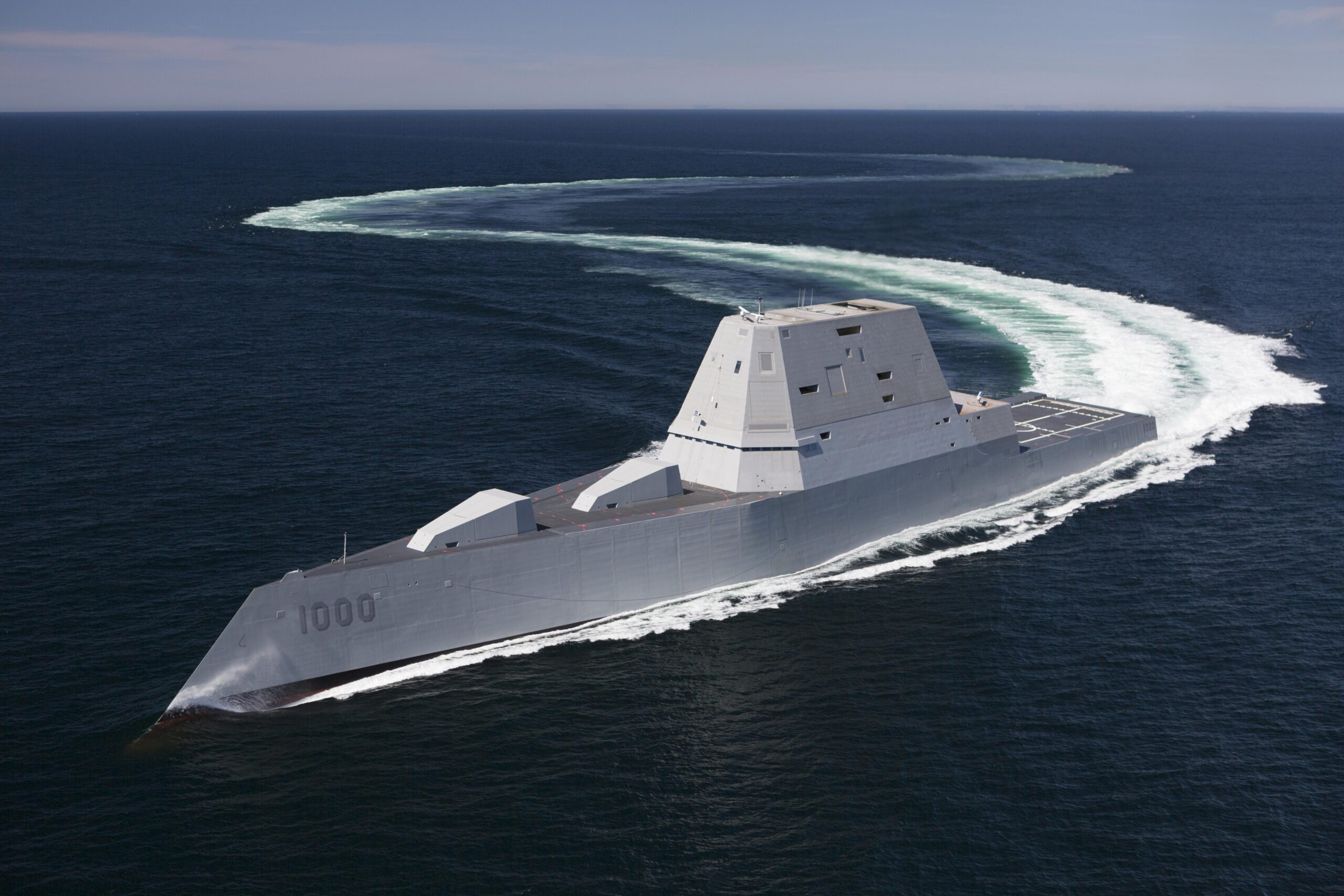
In a significant show of military presence, a U.S. warship has docked in Trinidad and Tobago, intensifying the geopolitical tensions surrounding Venezuela. The arrival of the naval vessel underscores Washington’s commitment to bolstering regional security amid growing concerns over Caracas’s increasing influence and its ongoing economic and political crises. As the situation in Venezuela continues to deteriorate, the U.S. aims to strengthen alliances in the Caribbean and send a clear message to the Maduro regime. The strategic docking in Port of Spain not only signifies enhanced military cooperation with Trinidad and Tobago but also highlights the complexities of the U.S.’s approach to foreign policy in Latin America. This move is seen as a direct response to both Venezuela’s internal challenges and its implications for regional stability.
U.S. Naval Presence in the Caribbean Escalates Tensions with Venezuela
In a move that has provoked sharp responses from Caracas, the docking of a U.S. warship in Trinidad and Tobago signifies an escalation in the ongoing military posturing in the Caribbean region. This development comes amid heightened tensions between Washington and the Venezuelan government, as the U.S. continues to assert its naval presence near Venezuelan waters. Analysts suggest that the deployment of military assets in the Caribbean serves not only as a show of force but also as a strategic maneuver aimed at undercutting Venezuela’s influence in the region. The increasing U.S. naval activity is creating a palpable atmosphere of anxiety among Venezuelan officials, who have condemned these actions as a direct threat to their sovereignty.
The implications of this military escalation extend beyond the immediate pressures it places on Venezuela. Local governments and regional analysts are closely monitoring the situation, as the potential for conflict raises concerns about maritime security and the stability of neighboring countries. Key points of interest include:
- Increased Military Exercises: The U.S. has intensified joint military exercises with allied nations.
- Economic Sanctions: Venezuela faces harsher economic sanctions from the U.S., which could be further exacerbated by U.S. naval operations.
- Regional Alliances: Countries in the Caribbean are reevaluating their alliances in response to U.S. assertiveness.
| Action | Date | Response |
|---|---|---|
| U.S. Warship Docking | October 2023 | Heightened Venezuelan Military Readiness |
| Joint Military Exercises | Ongoing | Regional Concerns |
| Economic Sanction Imposition | Ongoing | Venezuelan Economic Strain |
Strategic Implications of U.S. Warship Deployment for Regional Stability
The recent arrival of a U.S. warship in Trinidad and Tobago represents a significant shift in military dynamics within the Caribbean region, aimed at enhancing security apparatus and projecting power amidst regional tensions. This maneuver is perceived as a countermeasure to Venezuela’s increasing assertiveness, particularly concerning its maritime claims and domestic political situation. The presence of U.S. naval forces not only enhances the operational readiness of allied nations but also serves as a diplomatic signal that could deter Venezuelan aggression and bolster the resolve of neighboring countries facing similar threats.
Furthermore, the implications of this deployment extend beyond mere military presence. It fosters a collaborative environment for multinational security efforts, which can lead to the establishment of stronger alliances and joint operational capabilities. The strategic benefits include:
- Heightened cooperation: Strengthening ties with regional partners like Trinidad and Tobago.
- Intelligence sharing: Facilitating more robust communication networks among allied forces.
- Stability promotion: Helping to maintain peace and deter unlawful activities near Venezuelan waters.
Additionally, understanding the geopolitical impact requires analyzing past instances of military deployments in similar contexts. The following table outlines previous U.S. naval engagements in the Caribbean and their outcomes:
| Year | Location | Outcome |
|---|---|---|
| 2018 | Dominican Republic | Increased regional cooperation |
| 2020 | Cuba | Deterrent effect on illegal smuggling |
| 2021 | Haiti | Humanitarian support and stability |
Through these strategic deployments, the U.S. seeks not only to counteract Venezuela’s influence but also to ensure that its partnerships across the region are fortified, paving the way for a more stable geopolitical landscape in the Caribbean.
Assessing the Impact on Venezuela’s Economy and Political Landscape
The recent docking of a U.S. warship in Trinidad and Tobago has raised eyebrows and heightened tensions regarding Venezuela’s current state. Economically, this military presence could further exacerbate existing sanctions and diplomatic isolation faced by the Maduro regime. Analysts suggest that a more militant U.S. posture in the Caribbean could lead to an increase in economic sanctions and a possible disruption of Venezuelan trade routes, particularly in oil exports. This situation may accelerate Venezuela’s already plummeting GDP and fuel hyperinflation, driving more citizens into poverty. The potential for increased international support for opposition groups could also lead to further destabilization of an already fragile economy.
On the political front, the impact of military maneuvers by the U.S. may galvanize the Maduro administration’s narratives against external threats, thereby consolidating internal support among its base. The government is likely to portray these developments as attempts at imperialist intervention, which may resonate with segments of the population that feel threatened by foreign interference. Additionally, the possibility of heightened unrest or civil disobedience in response to both economic hardships and perceived foreign aggression could shift the dynamics of internal politics significantly. In light of these developments, it remains critical to monitor how these military actions influence both political alignments and economic stability within Venezuela.
In Conclusion
In conclusion, the arrival of the U.S. warship in Trinidad and Tobago marks a significant escalation in the ongoing tension surrounding Venezuela. As the U.S. seeks to exert its influence in the region amid Caracas’ political and economic crises, this military presence not only underscores Washington’s commitment to regional stability but also signals a clear warning to the Maduro regime. With the geopolitical landscape in South America continually evolving, the implications of this deployment will be closely monitored by both allies and adversaries alike. The situation remains fluid, and further developments could reshape the dynamics of U.S.-Latin American relations in the months to come. As this story unfolds, Dallas News will provide ongoing coverage and analysis to keep our readers informed.