

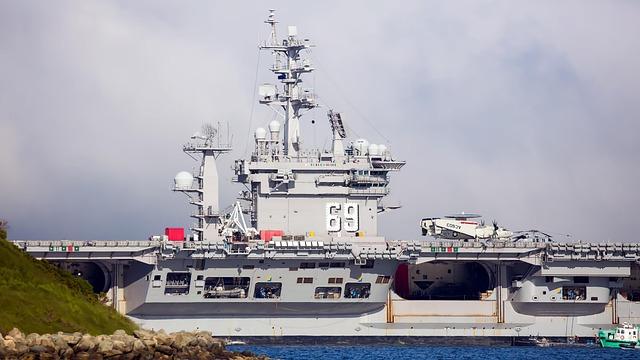
In a move that underscores the escalating tensions in the Caribbean region, a U.S. warship has docked in Trinidad and Tobago, signaling a robust display of military presence amid heightened concerns over Venezuela’s political and economic instability. The arrival of the U.S. Navy vessel comes as part of a broader strategy to bolster regional security and respond to the ongoing crisis in Venezuela, where humanitarian challenges and political unrest continue to pose significant threats to neighboring countries. This development not only reflects the United States’ commitment to its allies in the region but also intensifies pressure on the Venezuelan government, which has faced increasing isolation on the international stage. As diplomatic efforts wane, the implications of this military maneuver are expected to reverberate throughout the Caribbean and beyond, prompting renewed discussions about the future of U.S.-Latin American relations.
U.S. Naval Presence in Trinidad and Tobago Heightens Geopolitical Tensions in the Caribbean
The recent docking of a U.S. warship in Trinidad and Tobago has amplified existing geopolitical tensions, particularly regarding Venezuela. The United States continues to assert its maritime influence in the Caribbean, a strategy that many analysts view as a direct counter to Venezuelan President Nicolás Maduro’s regime, which has increasingly aligned itself with adversarial nations such as Russia and China. The arrival of the U.S. naval vessel is seen not just as a show of force but also as a signal to regional allies of Washington’s commitment to maintaining stability and deterring authoritarianism in the Americas.
This military maneuver has been met with a mix of support and apprehension from the local populace and several Caribbean nations. Many view the U.S. presence as a necessary step to uphold democracy and combat the growing influence of hostile powers. However, others express concern over the potential for escalation in tensions, fearing that military posturing could provoke further unrest in the region. Key points of contention include:
- Increased Surveillance: Enhanced naval operations may lead to stronger monitoring of Venezuelan activities in the waters.
- Regional Alliances: Caribbean countries may realign their foreign policies either in support of or against U.S. initiatives.
- Diplomatic Fallout: Venezuela’s relationship with neighboring nations could strain depending on their stance toward U.S. military involvement.
Impact of Military Alliances on Venezuelan Stability and Regional Security
The docking of a U.S. warship in Trinidad and Tobago marks a significant shift in military dynamics within the Caribbean and presents potential ramifications for Venezuelan stability and regional security. As international tensions escalate, particularly between the U.S. and Venezuela, the presence of American naval power symbolizes more than just a military show of force. It acts as an implicit warning to the Venezuelan government, underscoring the possibility of interventions and aligning regional partners against Caracas. This move could alter existing balance-of-power calculations in the region, with neighboring countries feeling compelled to respond, whether through military preparedness or diplomatic alignments.
Key implications of increased U.S. military presence in the Caribbean include:
- Increased Pressure on Caracas: Venezuela may feel further isolated, pushing it to seek new alliances, potentially with nations like Russia or China.
- Regional Military Dynamics: Neighboring countries might enhance their defense capabilities in response to American maneuvers, altering current security arrangements.
- Heightened Tensions: The likelihood of miscalculations or confrontations could rise, especially if Venezuela perceives the U.S. actions as hostile.
These military alliances, coupled with the geopolitical maneuvers surrounding Venezuela, set the stage for a complex interplay of influence that could destabilize an already precarious situation. The chart below reflects the last two years of military collaborations within the region:
| Country | Alliances | Recent Military Exercises |
|---|---|---|
| Trinidad and Tobago | U.S., CARICOM | Joint Maritime Drills 2022 |
| Colombia | U.S. | Counter-Drug Operations 2023 |
| Guyana | U.S., CARICOM | Exercise Tradewinds 2023 |
| Venezuela | Russia, China | Joint Military Drills 2023 |
Potential Response Strategies for Venezuela Amid Increasing U.S. Military Activities
In the wake of increased U.S. military activities in the region, Venezuelan officials must navigate a precarious landscape marked by potential escalations. Diplomatic engagement with neighboring countries, particularly those in the Caribbean and Latin America, could serve as a cornerstone of Venezuela’s strategy. By fostering alliances and securing support against perceived aggressions, Venezuela can bolster its position on the international stage. Possible avenues include:
- Strengthening regional coalitions to counteract U.S. influence.
- Enhancing communication with countries like Cuba and Bolivia for joint responses.
- Utilizing international forums to spotlight concerns over U.S. military posturing.
Additionally, Venezuela might consider implementing economic measures aimed at reducing dependence on external powers. These may involve diversifying trade partners and investing in domestic industries. The government could also prioritize partnerships with countries that have historically opposed U.S. interventions. A brief comparison of recent Venezuelan trade dynamics is illustrated below:
| Country | Trade Volume (2022) | Percentage of Total Exports |
|---|---|---|
| Cuba | $300 million | 15% |
| China | $4 billion | 50% |
| Russia | $1 billion | 20% |
| Iran | $500 million | 10% |
Through these strategies, Venezuela can aim to mitigate U.S. pressures while carving out a more stable economic future amidst turbulent geopolitical dynamics.
In Summary
In summary, the recent docking of a U.S. warship in Trinidad and Tobago underscores the escalating tensions in the region, particularly concerning Venezuela. This strategic move by the United States not only illustrates its commitment to regional security but also highlights a growing military presence that may further complicate the already fragile situation in Venezuela. As international observers closely monitor developments, the implications for both diplomatic relations and regional stability remain significant. With the geopolitical landscape continuously shifting, the ramifications of this military engagement will likely reverberate throughout the Caribbean and beyond in the days to come.

