

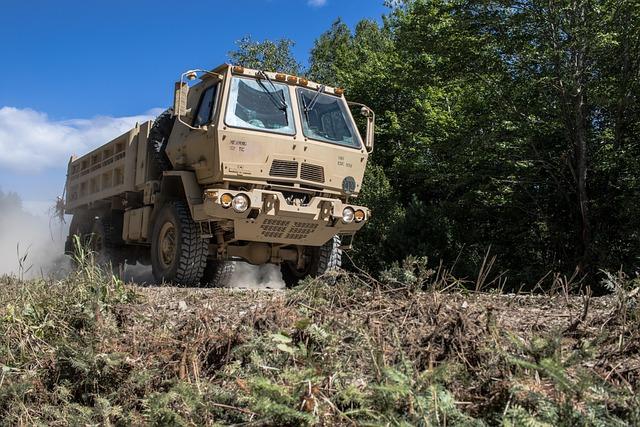
In a significant move aimed at bolstering regional security and military cooperation, the United States and Trinidad and Tobago have reached agreements on a series of military deals. This partnership underscores a mutual commitment to enhancing defense capabilities and addressing shared challenges within the Caribbean. As both nations navigate a complex geopolitical landscape, these agreements are poised to strengthen ties and promote stability in the region. The development reflects an ongoing effort by the U.S. to strengthen its alliances in the Caribbean, while Trinidad and Tobago seeks to fortify its national defense mechanisms amid growing concerns over transnational threats. This article delves into the specifics of the military arrangements and their implications for both countries and the broader Caribbean region.
US and Trinidad and Tobago Strengthen Defense Ties Through New Military Agreements
The United States and Trinidad and Tobago have officially embarked on a new chapter in their defense relationship with the signing of pivotal military agreements aimed at enhancing regional security. These agreements come in response to increasing challenges posed by transnational crime and regional instability, reinforcing both nations’ commitment to a collaborative approach in addressing security threats. Key elements of the agreements include:
- Joint Military Exercises: Enhanced training programs that promote interoperability between the two nations’ armed forces.
- Intelligence Sharing: A robust framework for exchanging crucial intelligence to better combat security threats.
- Resource Allocation: Provision of U.S. military resources and technology to assist Trinidad and Tobago’s defense capabilities.
As part of the agreements, both countries will also focus on expanding their maritime security operations. This initiative aims to ensure safer waters in the Caribbean, where illicit activities have been on the rise. A table outlining the primary objectives of these enhanced defense ties includes:
| Objective | Description |
|---|---|
| Capacity Building | Strengthening T&T’s military through training and technology transfer. |
| Maritime Patrols | Increased surveillance to deter illegal activities at sea. |
| Crisis Response | Improving disaster preparedness and response mechanisms in the region. |
Implications for Regional Security and Stability in the Caribbean
The recent military agreements between the United States and Trinidad and Tobago have significant ramifications for the geopolitical landscape within the Caribbean. As nations in the region navigate their individual security challenges, enhanced military collaboration could serve as a deterrent against external threats, particularly drug trafficking and organized crime. This partnership may also bolster defense capabilities, promote regional cooperation, and establish a unified front in combating transnational criminal activities that affect multiple Caribbean countries.
However, these developments could lead to a re-evaluation of alliances within the region, as countries assess their position in light of heightened American military presence. Diplomatic relations among Caribbean nations could be tested, potentially leading to a shift in regional power dynamics. Key considerations include:
- Increased U.S. influence: A stronger presence may prompt neighboring nations to seek similar agreements or resist perceived encroachments.
- Risks of militarization: Expanding military ties might provoke an arms race or heightened tensions in areas with existing conflicts.
- Economic implications: While security may improve, reliance on foreign military partnerships could have long-term economic impacts on local governance.
Recommendations for Enhanced Military Collaboration and Training Initiatives
In light of recent military agreements between the United States and Trinidad and Tobago, there are several avenues for enhanced collaboration and training that stand to bolster regional security and operational effectiveness. A multifaceted approach could include:
- Joint Training Exercises: Regularly scheduled drills that incorporate both nations’ military personnel to foster mutual understanding and operational synergy.
- Information Sharing Programs: Establishing protocols for the exchange of intelligence and best practices to ensure timely response to potential threats.
- Technical Skill Development: Targeted workshops and training sessions focusing on advanced technologies and contemporary warfare tactics.
To maximize the effectiveness of these initiatives, both nations could leverage existing resources and develop new structures to streamline communication and operational planning. A strategic framework may include:
| Area of Focus | Suggested Actions |
|---|---|
| Maritime Security | Conduct joint naval operations to combat piracy and trafficking. |
| Cyber Defense | Create task forces to address cybersecurity threats collaboratively. |
| Disaster Response | Formulate coordinated disaster relief plans and training protocols. |
Final Thoughts
In conclusion, the recent agreements between the United States and Trinidad and Tobago mark a significant step in enhancing military cooperation and security within the Caribbean region. As both nations strengthen their ties, the collaborative efforts aim to address pressing challenges such as regional stability, counter-narcotics operations, and maritime security. These deals not only reflect a commitment to mutual defense but also highlight the United States’ strategic interest in fostering partnerships throughout the Caribbean. As developments unfold, the focus will remain on the implications for regional security and the potential for further cooperation among Caribbean nations. The commitment to joint initiatives signals a proactive approach to safeguarding the interests of both nations and ensuring a more secure future for the region.

