

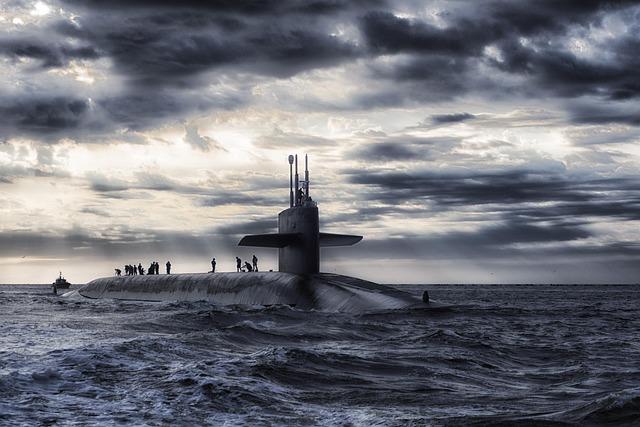
In a significant show of military presence in the Caribbean, a United States warship has arrived in Trinidad and Tobago, just off the coast of Venezuela. This deployment comes amid growing tensions in the region, where geopolitical dynamics are increasingly influenced by activities from both regional and global powers. The arrival of the USS John Basilone, an Arleigh Burke-class destroyer, raises questions about the strategic objectives of the U.S. in this pivotal area, especially given the backdrop of Venezuela’s ongoing political crisis and economic struggles. As nations navigate the complexities of diplomacy and defense, the implications of this naval presence will likely resonate beyond the immediate shores of Trinidad and Tobago, impacting relations within the Caribbean, Latin America, and beyond.
US Warship Deployment Signals Increased Military Presence in Caribbean Region
Strategic Implications of Naval Operations Near Venezuelan Waters
The recent deployment of a US warship to Trinidad and Tobago underscores a significant shift in military dynamics within the Caribbean region, particularly concerning Venezuelan waters. This strategic maneuver highlights the United States’ commitment to maintaining influence in an area that has seen increasing geopolitical tensions. Analysts suggest that this presence not only acts as a deterrent against potential Venezuelan aggression but also serves as a signal to regional players such as Russia and China, who have shown interest in expanding their footprint in Latin America. The situation raises critical questions regarding maritime security and the principles of international law, especially in a region historically fraught with territorial disputes.
With Venezuela’s ongoing economic crisis and the resulting political instability, naval operations in the vicinity could have broader implications for US foreign policy and partnerships within the region. Among the potential ramifications are:
- Increased Military Collaboration: Enhanced joint exercises with Caribbean nations could improve regional defense capabilities.
- Interdiction of Illicit Activities: A more robust naval presence may assist in counter-narcotics operations and disrupt illegal fishing.
- Humanitarian Missions: The US navy may also engage in aid missions, which could bolster its image and influence among Caribbean nations.
| Implications | Details |
|---|---|
| Geopolitical Stability | Potential to deter aggressive actions from Venezuela and other adversaries. |
| Increased US Presence | A sign of commitment to regional allies amid growing foreign influence. |
| Enhanced Cooperation | Opportunity for stronger partnerships with Caribbean nations on security matters. |
Regional Reactions and Recommendations for Diplomatic Engagements
In light of the recent arrival of a US warship in Trinidad and Tobago, regional stakeholders are expressing a mix of caution and concern regarding escalating tensions in the nearby Venezuelan crisis. Leaders across the Caribbean have called for a focused diplomatic dialogue to prevent further military escalation in the region. The need for a collaborative approach to ensure peace and stability has been emphasized, with many countries urging the following measures:
- Strengthened Communication: Establishing open channels between neighboring nations to share concerns and mitigate misunderstandings.
- Increased Regional Cooperation: Engaging regional organizations, such as CARICOM, to foster dialogue among member states regarding security and diplomatic strategies.
- Support for Humanitarian Efforts: Coordinating with international organizations to provide aid and support for Venezuelan communities affected by economic and political instability.
Furthermore, analysts recommend that the US reassess its military posture in the region and prioritize diplomatic avenues. The potential for a constructive dialogue is crucial, as is understanding the local context and the historical implications of foreign military presence. Recommendations include:
| Recommendation | Rationale |
|---|---|
| Establishing Mediation Teams | To encourage dialogue between conflicting parties without exacerbating tensions. |
| Promoting Cultural Exchange | To foster mutual understanding and reduce hostilities through people-to-people interactions. |
| Comprehensive Economic Partnerships | To alleviate pressures on the local economies while promoting stability through trade. |
Closing Remarks
In conclusion, the arrival of the US warship in Trinidad and Tobago underscores the ongoing geopolitical tensions in the region, particularly amid the ongoing crisis in Venezuela. This development not only highlights the United States’ strategic interests in the Caribbean but also raises questions about regional security dynamics. As the U.S. continues to navigate its foreign policy objectives in Latin America, all eyes will remain on how this presence may influence relations with neighboring countries and impact the broader political landscape. The situation remains fluid, and further developments are expected in the coming days. We will continue to monitor the situation closely and provide updates as they unfold.

