

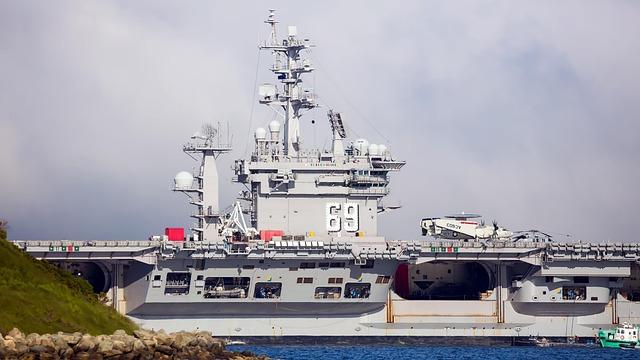
In a significant development highlighting escalating tensions in the region, a United States warship has docked in Trinidad amid mounting concerns over Venezuela’s political instability and military maneuvers. This visit, which marks a heightened display of U.S. naval presence in the Caribbean, underscores a strategic pivot as Washington seeks to counter the influence of the Nicolás Maduro regime. As local and international observers analyze the implications of this deployment, the timing raises questions about the future of U.S.-Venezuelan relations and the geopolitical landscape in South America. The arrival of the warship not only signals a commitment to regional security but also reflects the broader complexities of diplomacy within a volatile environment.
US Naval Presence in Trinidad: A Strategic Move Amid Venezuelan Unrest
The recent docking of a US warship in Trinidad signifies a notable shift in the geopolitical landscape of the Caribbean, particularly given the ongoing turmoil in Venezuela. The presence of the US Navy is aimed at bolstering security and stability in the region, providing a clear statement of intent amidst escalating tensions. Local authorities and experts are observing the situation closely, as this move could potentially influence diplomatic relations and economic interactions within the area. Notable factors contributing to this strategic decision include:
- Heightened Tensions: Venezuela’s political unrest poses risks to neighboring countries, prompting the US to take proactive measures.
- Regional Security: The deployment aims to enhance maritime security and deter illicit activities in the Caribbean Sea.
- Humanitarian Concerns: The situation in Venezuela has led to a significant influx of refugees, which the US seeks to address.
While the docking of the warship is largely viewed as a tactical move, it also raises questions about the long-term implications for US-Latin American relations. Analysts suggest that sustained military presence may not only serve immediate strategic interests but could also open avenues for collaboration with Caribbean nations. In light of these developments, a closer look at the regional impacts is warranted, including:
| Impact Area | Potential Outcomes |
|---|---|
| Security | Increased regional cooperation against crime and trafficking. |
| Diplomacy | Possibility of strengthened ties with Caribbean allies. |
| Economics | Potential for enhanced trade agreements and aid. |
Implications of Military Maneuvers for Regional Stability and Diplomacy
The recent docking of a US warship in Trinidad has raised concerns regarding the potential consequences for regional stability and diplomacy in the Caribbean. This maneuver comes in the context of escalating tensions with Venezuela, prompting various nations to reassess their security strategies. The presence of a US naval vessel may act as a deterrent against Venezuelan aggression, yet it equally risks provoking a more belligerent response from Caracas. Such developments can lead to a complex web of international relations where neighboring countries, seeking to maintain balance, may feel compelled to strengthen their military readiness or seek alliances that could exacerbate tensions.
In this delicate environment, the implications for regional diplomacy are profound. Countries in the Caribbean must navigate their relationships with both the US and Venezuela, balancing economic interests and security concerns. Successful diplomacy will hinge on various factors, including:
- Diplomatic Engagement: Promoting dialogue among regional players to mitigate misunderstandings.
- Economic Partnerships: Strengthening trade ties to foster mutual dependence and stability.
- Regional Coalitions: Forming alliances that prioritize peace and cooperation over militarization.
Furthermore, the situation invites scrutiny into the effectiveness of existing diplomatic structures such as the Organization of American States (OAS) and the Caribbean Community (CARICOM). The outcomes of these maneuvers will be essential in shaping both present and future diplomatic initiatives in the region, determining whether they trend towards confrontation or collaborative resolution.
Recommendations for De-escalating Tensions in the Caribbean Security Landscape
To effectively address the rising tensions in the Caribbean security landscape, stakeholders must prioritize collaborative diplomacy and enhanced regional cooperation. Engaging in multilateral dialogues can serve as an essential platform for negotiating differences and fostering mutual understanding among neighboring nations. Key measures could include:
- Strengthening regional alliances through organizations like CARICOM and the OAS.
- Facilitating regular security summits to discuss emerging threats and joint resolutions.
- Promoting peacekeeping initiatives that involve community engagement to build trust and collaboration.
Furthermore, the establishment of international monitoring mechanisms may help to ensure compliance with agreements and diminish the likelihood of conflicts escalating. Creating a framework for joint military exercises among Caribbean nations could enhance operational readiness while cultivating stronger ties. A potential roadmap could include:
| Action | Description | Expected Outcome |
|---|---|---|
| Joint Military Drills | Conduct combined training operations | Improved interoperability and trust |
| Diplomatic Contact Points | Establish direct lines of communication | Rapid conflict resolution |
| Crisis Simulation Exercises | Run scenarios to test response strategies | Enhanced preparedness for real events |
In Summary
In conclusion, the docking of the US warship in Trinidad signifies a notable development in the ongoing narrative of regional security and geopolitical dynamics in the Caribbean. As tensions escalate between the United States and Venezuela, the move underscores Washington’s commitment to strengthening alliances in the region while simultaneously demonstrating a show of force amidst a backdrop of uncertainty. Analysts will be closely monitoring the aftermath of this strategic positioning to assess its implications for both diplomatic relations and regional stability. As the situation evolves, the international community will be watching closely to understand how these developments may reshape the power dynamics in Latin America.

