

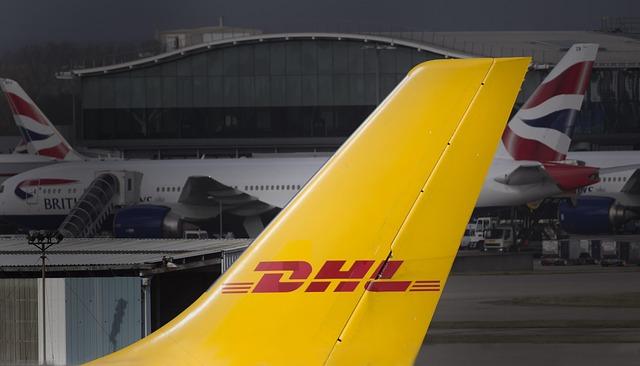
In a strategic move to bolster its presence in the Latin American logistics market, DHL Group announced today its acquisition of Aero Cargas S.A., a prominent freight operator based in Uruguay. This significant investment, effective September 1, 2026, underscores DHL’s commitment to enhancing its operational capabilities and expanding its service offerings across the region. With Aero Cargas’s established network and expertise in air cargo logistics, the acquisition is expected to not only streamline DHL’s distribution operations but also facilitate increased trade and economic growth within Latin America. As global supply chains continue to evolve, DHL’s latest venture marks a pivotal step in its mission to provide innovative logistics solutions tailored to emerging markets.
DHL’s Strategic Dive into Latin America Through Aero Cargas Acquisition
DHL’s bold acquisition of Aero Cargas S.A. marks a significant milestone in the company’s strategy to enhance its operations throughout Latin America. With this move, DHL aims to leverage Aero Cargas’ well-established logistics network, integrating its capabilities to streamline operations and expand market reach. The acquisition not only solidifies DHL’s presence in Uruguay but also opens doors to other key Latin American markets, creating synergies that can benefit both clients and partners. Key reasons for this acquisition include:
- Improved Service Coverage: Enhancing the delivery services across the region.
- Increased Capacity: Boosting operational capacity to meet rising demand.
- Local Expertise: Tapping into Aero Cargas’ deep understanding of local logistics challenges.
- Sustainability Goals: Aligning with DHL’s commitment to environmentally friendly practices.
As part of this new chapter, DHL plans to invest heavily in upgrading the Aero Cargas infrastructure and technology systems, ensuring they align with the global standards set by the DHL Group. This significant investment will not only improve service efficiency but also drive innovation in logistics solutions tailored for the Latin American market. A recent internal analysis highlighted the potential benefits of this acquisition:
| Benefits | Impact on Business |
|---|---|
| Enhanced Logistics Network | Increased delivery speed and reliability |
| Expansion of Service Offerings | New products tailored for regional clients |
| Job Creation | Boosting the local economy and workforce development |
| Innovation and Technology Investments | Improving overall operational efficiency |
Implications for Regional Logistics and Market Connectivity
DHL’s acquisition of Aero Cargas S.A. marks a pivotal moment for logistics in Latin America, creating new avenues for enhanced market connectivity across the region. This strategic move will enable DHL to leverage Aero Cargas’ extensive network, integrating local expertise and established routes into its global operations. As a result, local businesses can expect more efficient shipping solutions, improved service delivery times, and a broader reach for their products, which could ultimately lead to increased competition and growth opportunities within the market.
Furthermore, this investment is likely to stimulate infrastructural development in Uruguay and surrounding countries, as improved logistics capabilities often drive demand for better transportation networks. Increased connectivity might include:
- Expansion of freight services to underserved areas, enhancing supply chain reliability.
- Enhanced cross-border collaboration with neighboring countries, facilitating smoother import and export processes.
- Job creation in logistics and transportation sectors, contributing to economic growth.
In time, these developments could also lead to regional partnerships and alliances, further solidifying Latin America’s position as a critical player in global trade.
Guiding Recommendations for Stakeholders in the Evolving Freight Landscape
As the freight industry continues to undergo significant transformations, stakeholders must adapt to ensure they remain competitive and responsive to market dynamics. One of the primary recommendations is to enhance collaboration across the supply chain. Engaging in partnerships and open communication can lead to streamlined operations, reduced costs, and improved service delivery. By working closely with logistics providers, technology companies, and local authorities, stakeholders can gain better insights into regulatory changes, consumer preferences, and potential disruptions.
Moreover, stakeholders should prioritize investment in technology and data analytics. Embracing innovations such as artificial intelligence, blockchain, and the Internet of Things can optimize logistics processes and supply chain management. Organizations should consider the following strategies to bolster their technological capabilities:
- Implement real-time tracking systems to enhance visibility and accountability.
- Utilize predictive analytics for better demand forecasting and inventory management.
- Adopt automation technologies to reduce labor costs and increase efficiency.
In this rapidly changing environment, staying ahead will require an agile approach and a commitment to continuous improvement.
Closing Remarks
In conclusion, DHL’s strategic acquisition of Aero Cargas S.A. marks a significant milestone in the company’s ongoing commitment to enhancing its operations and service capabilities in Latin America. This move not only reinforces DHL’s leadership position within the logistics sector but also highlights the potential for growth in the region. As e-commerce and international trade continue to expand across Latin America, DHL’s investment is poised to foster improved connectivity and efficiency for businesses throughout Uruguay and beyond. With this acquisition, DHL affirms its dedication to meeting the ever-evolving needs of customers and ensuring that it remains at the forefront of global logistics solutions. As the market responds to this development, stakeholders will be keenly watching how this acquisition shapes the future landscape of logistics in Latin America.

