

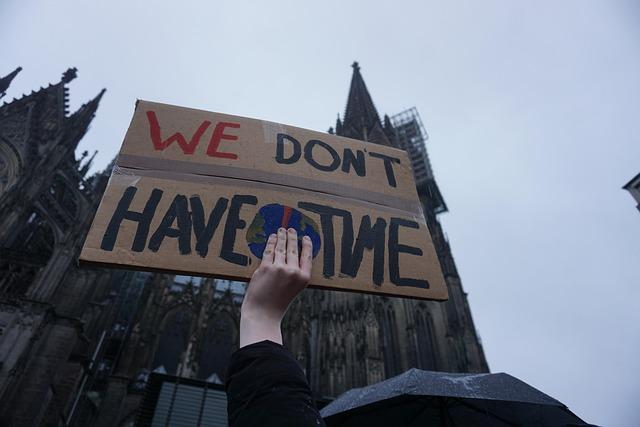
In the lush landscapes of Uruguay, a unique coalition is emerging at the intersection of faith and environmental activism. Known as the “EcoFranciscans,” this group, alongside various church organizations, is stepping up to confront pressing issues of environmental justice in a country increasingly affected by the climate crisis. With a shared commitment to stewardship of the Earth, these activists are mobilizing communities, advocating for sustainable practices, and seeking to amplify the voices of those most impacted by environmental degradation. As they navigate complex socio-political terrains, their efforts not only highlight the urgent need for ecological reform but also reflect a growing recognition of the moral imperative to protect the planet for future generations. In this article, we explore how the EcoFranciscans and their allies are blending faith with activism to champion a greener, more equitable Uruguay.
EcoFranciscans Lead Grassroots Movements for Sustainable Change in Uruguay
In Uruguay, EcoFranciscans, a collective of Catholic Franciscans dedicated to environmental stewardship, have emerged as pivotal figures in the quest for ecological sustainability. By intertwining faith and activism, these groups are challenging the status quo and advocating for policies that prioritize the health of the planet. Their grassroots initiatives encompass a range of efforts, including:
- Community Education: Organizing workshops to educate citizens on sustainable practices.
- Advocacy for Climate Action: Lobbying local governments to implement more stringent environmental regulations.
- Restoration Projects: Engaging volunteers in reforestation and conservation efforts across the country.
The EcoFranciscans work alongside various church groups and environmental organizations, leveraging their networks to amplify their message. Recent collaborations have focused on pressing issues such as water pollution and biodiversity loss, drawing attention to the intersection of faith and environmental responsibility. As part of this movement, they have laid out a strategic plan that includes a commitment to:
| Action Plan | Goals |
|---|---|
| Establish Eco-Councils in Churches | Foster local environmental engagement |
| Conduct Environmental Assessments | Identify local ecological issues |
| Promote Sustainable Agriculture | Assist farmers in eco-friendly practices |
Church-Backed Initiatives Address Climate Challenges Through Community Engagement
In a country rich with natural beauty, church-backed groups in Uruguay are stepping up to confront the pressing challenges of climate change. The EcoFranciscans and various grassroots initiatives have emerged as key players in advocating for environmental justice. By leveraging their community ties, these organizations are mobilizing citizens around sustainable practices and educating them on the impact of their actions on the environment. Their strategy is multifaceted, focusing on community engagement, which includes:
- Hosting educational workshops on sustainability
- Organizing local clean-up drives
- Promoting the use of renewable resources
- Encouraging responsible consumption patterns
The involvement of faith-based groups in environmental advocacy goes beyond mere rhetoric; it embodies a moral imperative to protect creation for future generations. By aligning their missions with the urgent call for climate action, these organizations have fostered vibrant community dialogues that bridge the gap between spirituality and ecological stewardship. Initiatives such as community gardens and reforestation projects not only enhance local biodiversity but also strengthen communal bonds. The following table outlines some successful eco-initiatives led by church groups in the region:
| Initiative | Goal | Impact |
|---|---|---|
| Community Reforestation | Restore local forests | Planted over 10,000 trees |
| Waste Reduction Program | Minimize landfill waste | Reduced waste by 30% |
| Solar Energy Campaign | Promote renewable energy | Installed solar panels in 50 homes |
Advocating for Environmental Justice: Strategies from Faith-Based Organizations in Uruguay
In Uruguay, faith-based organizations are emerging as crucial advocates for environmental justice, employing a variety of strategies to address the pressing issues of climate change, pollution, and social inequality. The “EcoFranciscans” have led the charge, drawing inspiration from St. Francis of Assisi’s deep respect for nature. By organizing educational workshops and community forums, they raise awareness among local populations about the environmental challenges facing their regions. These gatherings foster partnerships between faith communities and environmental scientists, enabling comprehensive discussions on sustainable practices. Some of their initiatives include:
- Community Clean-Up Drives: Mobilizing congregants to clean local parks and beaches.
- Advocacy Campaigns: Lobbying for stronger environmental regulations at the municipal and national levels.
- Sustainable Agriculture Workshops: Educating farmers on organic practices to preserve biodiversity.
Beyond their community-driven efforts, these organizations are increasingly focusing on collaboration with other civil society groups to amplify their impact. They are participating in national coalitions that advocate for policy changes aimed at reducing carbon emissions and promoting social equity. Their ability to intertwine faith with environmental activism allows them to reach a broad audience, garnering support from diverse sectors. Key tactics include:
| Strategy | Description |
|---|---|
| Interfaith Dialogues | Bringing together leaders from various faiths to discuss common environmental concerns. |
| Public Awareness Campaigns | Using social media and local events to highlight environmental issues and solutions. |
| Advocating for Vulnerable Communities | Addressing how environmental degradation disproportionately affects marginalized groups. |
In Retrospect
As Uruguay continues to grapple with the pressing challenges of climate change and environmental degradation, grassroots movements led by groups like the EcoFranciscans are shining a light on the intersection of faith and ecological responsibility. These initiatives underscore the vital role that religious communities can play in advocating for sustainable practices and environmental justice, often standing as a voice for the marginalized who are disproportionately affected by ecological crises.
The commitment of these church groups not only exemplifies a growing awareness of spiritual responsibility towards creation but also fosters a broader dialogue about the need for systemic change. As they mobilize in search of solutions, their efforts inspire hope and action in a nation eager for progress. This grassroots partnership between faith and environmentalism serves as a powerful reminder that achieving sustainability is not just a political or economic issue, but a moral imperative that demands the collective efforts of all sectors of society.
As the movement gains momentum, the potential for a more just and sustainable future in Uruguay is palpable, reminding us that the fight for environmental justice is as much about protection of the planet as it is about safeguarding the dignity of all its inhabitants. Continuing to support and amplify these voices will be essential as Uruguay navigates its path forward in a rapidly changing world.

