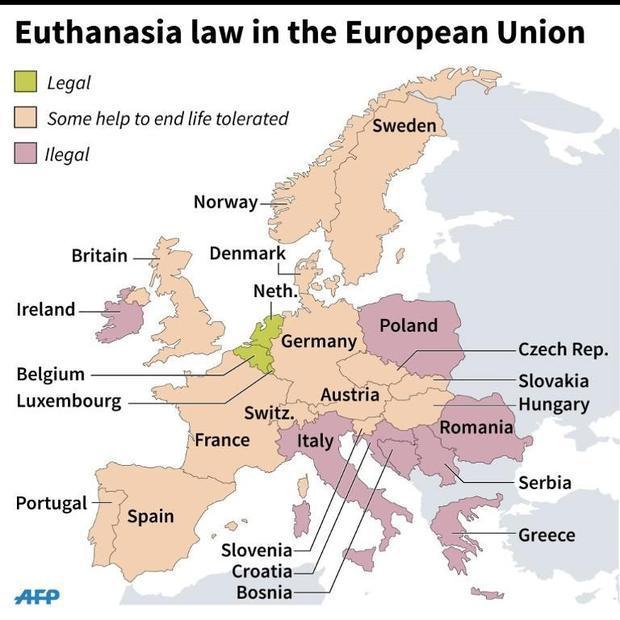
In a landmark decision, Uruguay has officially legalized euthanasia, making it the first country in Latin America to adopt such legislation. This historic move comes amid growing debates over end-of-life choices and patient rights worldwide. The new law, passed by the Uruguayan Parliament, allows individuals enduring terminal illnesses or extreme suffering to request assistance in dying, reflecting a significant shift in societal attitudes toward euthanasia and palliative care. Advocates argue that the legislation provides compassionate options for those facing unbearable pain, while critics express concerns about moral and ethical implications. As Uruguay sets a precedent in the region, the implications of this decision are likely to spark discussions across the globe about the rights of individuals to choose their own fate in the face of terminal illness.
Uruguay’s Pioneering Step Towards Euthanasia and End-of-Life Care
In a historic move, Uruguay has taken a significant step towards modernizing its approach to end-of-life care by legalizing euthanasia. This legislative change reflects a growing recognition of individual autonomy in health decisions, allowing patients suffering from terminal illnesses to choose a dignified exit. With this new law, Uruguay joins a select group of countries that have embraced euthanasia, signaling a shift in societal attitudes towards death and the right to die with dignity.
The legislation stipulates strict criteria for eligibility, ensuring that only those who are critically ill and experiencing unbearable suffering can apply for euthanasia. Key aspects of the law include:
- Voluntary consent – Patients must provide explicit consent.
- Medical evaluation – At least two separate medical professionals must agree on the prognosis.
- Psychological assessment – Patients undergo mental health evaluations to confirm their decision is well-informed.
This groundbreaking change not only aims to enhance the quality of life for patients facing intolerable pain but also fosters a more compassionate healthcare system where individual choices are respected. As the implementation of the law begins, there is keen interest in its impact on both patients and the broader societal discourse around euthanasia.
Implications for Patients and Healthcare Providers in Uruguay
The recent legalization of euthanasia in Uruguay presents significant changes for both patients seeking end-of-life options and healthcare providers tasked with guiding them through this sensitive journey. For patients, this development offers a novel avenue for autonomy in making choices about their terminal illnesses. Individuals facing unbearable suffering can now explore the possibility of a dignified exit, allowing them to retain control over their end-of-life decisions. However, patients must also navigate the complex emotional and ethical implications, as they weigh their desires against societal and familial expectations regarding life and death.
Healthcare providers are poised to play a crucial role in the implementation of the euthanasia law. They will need to undergo extensive training to ensure compliance with legal stipulations while providing compassionate care. Their responsibilities include assessing patient eligibility, conducting thorough psychological evaluations, and facilitating discussions about prognosis and alternatives. The following considerations will be vital for healthcare professionals:
- Patient Education: Informing patients about their rights and the euthanasia process.
- Ethical Guidelines: Adhering to established protocols to navigate moral dilemmas.
- Emotional Support: Offering counseling to patients and their families during decision-making.
| Key Focus Areas | Responsibilities |
|---|---|
| Patient Autonomy | Ensuring informed consent and understanding |
| Palliative Care | Providing pain management and comfort |
| Legal Compliance | Maintaining adherence to euthanasia regulations |
Ensuring Ethical Practices and Patient Rights in Euthanasia Legislation
The legalization of euthanasia in Uruguay marks a pivotal moment not only in the nation’s legal landscape but also in its moral and ethical discourse surrounding end-of-life choices. As lawmakers navigate this complex terrain, it is crucial to establish frameworks that safeguard patient rights while ensuring ethical practices are adhered to. This includes clear guidelines for physicians, comprehensive training on euthanasia protocols, and the establishment of oversight committees to monitor compliance. By embracing a transparent process, Uruguay can foster trust among healthcare providers, patients, and their families, ensuring that decisions made are both compassionate and informed.
Furthermore, it is essential to engage various stakeholders in discussions about euthanasia laws, including medical professionals, legal experts, and patient advocacy groups. These conversations should focus on developing criteria that protect vulnerable populations from coercion, including maintaining strict consent requirements and ensuring mental health evaluations when necessary. As Uruguay embarks on this transformative journey, it must prioritize transparency and ethical considerations to create a legal framework that enhances the dignity of individuals facing terminal illnesses, allowing them to exercise autonomy over their own lives and deaths.
Key Takeaways
In conclusion, the legalization of euthanasia in Uruguay marks a significant milestone in the country’s approach to end-of-life issues. This landmark decision not only reflects a growing acceptance of individual autonomy in matters of personal health and dying but also positions Uruguay as a progressive leader in the Latin American region. As the bill is implemented, the focus will now shift to the practicalities of ensuring that the rights of patients are upheld and that safeguards are effectively enforced. As public opinion continues to evolve, the eyes of the world will be on Uruguay to see how this historic legislation impacts the lives of its citizens and influences broader discussions surrounding euthanasia and assisted dying globally.