

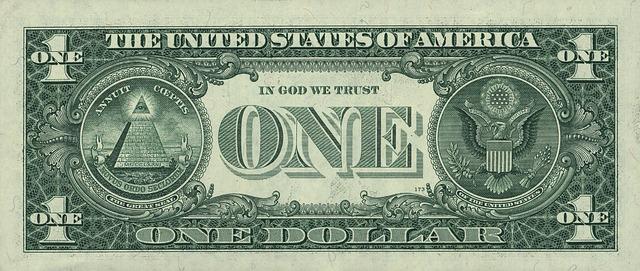
In an increasingly interconnected global economy, the U.S. dollar remains a dominant force, serving not only as the official currency of the United States but also as a trusted medium of exchange in many regions around the world. While widely recognized as the currency of choice in several nations, the adoption of the American dollar by others can come as a surprising revelation. In this article, we delve into 15 unexpected countries that have integrated the dollar into their financial systems, examining the reasons behind this choice and the implications for their economies. From small island nations to landlocked countries, the prevalence of the dollar raises questions about sovereignty, stability, and the continued influence of U.S. economic policy. Join us as we explore the diverse landscape of dollarization and uncover the compelling stories behind these unlikely adopters, shedding light on a phenomenon that transcends geographical boundaries.
Exploring the Unexpected: Countries That Adopt the American Dollar for Economic Stability
Several countries have turned to the American dollar as a strategic move to foster economic stability and attract foreign investment. This phenomenon, often known as dollarization, is increasingly common in regions where local currencies exhibit volatility or inflationary pressures. Among the nations that have adopted the dollar, you might find some surprising names that showcase this trend. These nations leverage the dollar to instill confidence in their economies, making it easier for businesses to operate and for citizens to engage in international trade without the fear of currency devaluation.
Here is a snapshot of countries where the American dollar reigns supreme, reflecting their commitment to economic resilience:
| Country | Reason for Adoption |
|---|---|
| El Salvador | Economic growth and reduced inflation |
| Panama | Stability and international trade benefits |
| East Timor | Post-conflict recovery and foreign investment |
| Marshall Islands | Link to the U.S. economy and foreign aid |
As global economic dynamics shift, the embrace of the dollar by these countries not only aids local economies but also highlights the expansive influence of the U.S. dollar in international markets. Countries such as Zimbabwe and Ecuador have also turned to the dollar for economic recovery and to stabilize their financial environments, demonstrating a powerful instance of how a single currency can transcend borders and support nations in tumultuous economic climates.
Understanding the Advantages: Why Nations Prefer the US Dollar Over Their Own Currency
In recent years, a significant number of nations have opted to adopt the US dollar as their primary currency or allow it to circulate alongside their own. This trend stems from a variety of compelling factors that enhance economic stability and foster international trade. Economic stability is one of the primary advantages, as the US dollar is viewed as a safe haven during times of financial uncertainty. By using the dollar, countries can mitigate risks associated with exchange rate fluctuations and inflation, which fosters a more predictable economic environment. Additionally, the dollar is widely accepted in global markets, making it easier for nations to engage in international trade and attract foreign investments.
Moreover, currency trust plays a pivotal role in why countries lean towards the greenback. The dollar’s status as the world’s dominant reserve currency means that it is underpinned by the robust US economy, giving countries confidence in its longevity and reliability. Many nations find themselves in a position where they need to maintain strong economic ties with the United States, leading them to adopt the dollar to facilitate smoother trade relations. Furthermore, utilizing a globally recognized currency can help boost a country’s credibility on the world stage, allowing it to gain much-needed leverage in international negotiations.
Navigating the Risks: The Implications of Dollarization for Local Economies and Residents
In the wake of widespread dollarization, local economies face an array of challenges and opportunities that can significantly impact both consumers and businesses. Countries that adopt the American dollar often grapple with the loss of monetary sovereignty, as they relinquish control over interest rates and money supply to the U.S. Federal Reserve. This shift can lead to economic stability, attracting foreign investment and boosting confidence; however, it can also expose local markets to greater vulnerability from U.S. economic fluctuations, which may lead to inflated costs of living and reduced local government financing options. Residents may notice these changes manifested in their everyday spending power and savings.
Moreover, dollarization can shift the competitive landscape for local businesses. While imported goods may become more affordable due to a stable currency, local products could struggle to compete as they adjust to the new economic environment. This scenario often results in increased unemployment rates for local industries unable to adapt quickly. Additionally, residents might experience price increases, especially in sectors like housing and services, making affordable living a growing concern. For those who rely on exports, the strong dollar can also mean reduced demand for goods produced locally. As economies navigate these complexities, the importance of prudent fiscal policies and community resilience becomes paramount in mitigating the risks associated with dollarization.
In Retrospect
In conclusion, the widespread adoption of the American dollar beyond the borders of the United States is a testament to its global influence and the economic ties that connect nations. From small island nations to larger economies, these 15 surprising countries showcase diverse approaches to currency stability, trade facilitation, and financial integration. As the world continues to grapple with economic uncertainties and evolving financial landscapes, the role of the dollar as a trusted currency will likely persist. Understanding these dynamics not only sheds light on international finance but also illustrates the interconnectedness of our global economy. For further insights into financial trends and economic developments, stay tuned to Yahoo Finance UK.

