

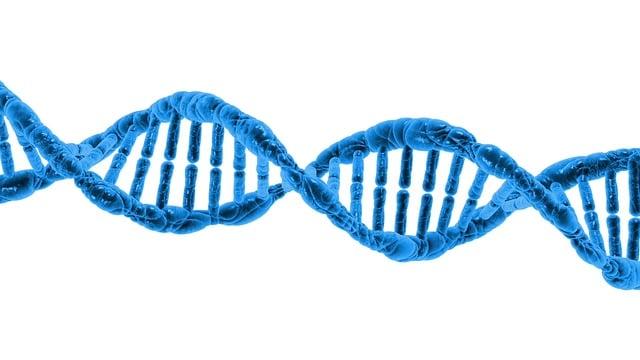
In a groundbreaking effort to safeguard the delicate ecosystems of the U.S. Virgin Islands, scientists from the U.S. Geological Survey (USGS) are leveraging cutting-edge technology to combat the invasion of Central American boas. These formidable serpents, which have established a foothold in the region, threaten local wildlife and biodiversity. Using environmental DNA (eDNA) monitoring techniques, researchers aim to enhance their understanding of the boas’ movements and population dynamics, providing critical data that could influence management strategies for this invasive species. As the stakes grow higher for the Virgin Islands’ ecological health, this innovative approach marks a significant step forward in the fight against invasive species-offering hope for a balanced coexistence in a rapidly changing environment.
Environmental DNA Techniques Revolutionize Invasive Species Monitoring in the U.S. Virgin Islands
The innovative use of environmental DNA (eDNA) techniques is paving the way for enhanced monitoring of invasive species in the U.S. Virgin Islands, particularly the Central American boa. This revolutionary method allows researchers to detect and assess the presence of these snakes in various ecosystems without the need for time-consuming physical captures. By collecting water and soil samples from these habitats, scientists can isolate and analyze DNA fragments, providing valuable insights into the population dynamics and distribution of the species. This technique not only optimizes resource allocation but also minimizes the impact on delicate ecosystems by reducing the need for extensive fieldwork.
Key advantages of eDNA monitoring include:
- Non-invasive methodology: Reduces stress on wildlife and ecosystems.
- High sensitivity: Capable of detecting low-density populations that might be missed through traditional methods.
- Rapid results: Allows for timely assessments, enabling quicker management actions.
To highlight the effectiveness of eDNA techniques, researchers have compiled data on the frequency of boa DNA detection in various sampled locations. The table below summarizes recent monitoring results, illustrating the distribution of this invasive species across key sites in the U.S. Virgin Islands:
| Location | Sample Collection Date | DNA Detected |
|---|---|---|
| St. Thomas | July 2023 | Yes |
| St. Croix | August 2023 | No |
| Water Island | September 2023 | Yes |
Impacts of Central American Boas on Local Ecosystems and Biodiversity
The introduction of the Central American boa (Boa constrictor) into the ecosystems of the U.S. Virgin Islands has raised significant concerns regarding its effects on local wildlife and biodiversity. This non-native species, now established in the region, preys upon a variety of native animals, leading to potential declines in local populations. The impacts are particularly pronounced among small mammals, birds, and reptiles, which have not evolved defenses against such predators. The presence of this invasive species can cause a domino effect, disrupting food webs and altering habitat dynamics, thereby necessitating ongoing monitoring and management efforts.
Among the distinct challenges posed by the Central American boa are the following:
- Predation Pressure: Increased predation can result in local extinction events among vulnerable species.
- Competition: The boas compete with native predators for food resources, impacting their populations.
- Habitat Alteration: Changes to vegetation and soil as a result of altered prey dynamics can affect plant biodiversity.
- ECOSYSTEM BALANCE: The overall balance of the ecosystem may shift, causing unforeseen consequences.
To further understand and assess the impacts of this invasive snake, researchers are employing environmental DNA (eDNA) monitoring techniques which allow for non-invasive sampling of local ecosystems. This innovative method helps track the distribution and abundance of the Central American boa, enabling effective conservation strategies. A recent study utilized eDNA analysis to uncover patterns of invasion, leading to the following preliminary findings:
| Study Parameter | Findings |
|---|---|
| Detection Rate | 30% in targeted regions |
| Species Affected | 12 native species showing signs of decline |
| Monitoring Sites | 5 key locations assessed |
Such insights are crucial for guiding management practices aimed at mitigating the impact of Central American boas on local biodiversity, thus ensuring the preservation of these ecosystems for future generations.
Strategic Recommendations for Effective Management and Control of Boa Populations
To effectively manage and control the invasive Central American boa populations in the U.S. Virgin Islands, a multifaceted approach should be prioritized. Implementing environmental DNA (eDNA) sampling techniques presents a viable method for monitoring population dynamics and distribution without the need for extensive fieldwork. Utilizing eDNA allows researchers to detect genetic material in various environmental samples, thus providing real-time data on the presence and movement of these invasive species. Incorporating the following strategies into management plans can enhance the effectiveness of such monitoring efforts:
- Regular Sampling Protocols: Establish a systematic schedule for eDNA collection to track changes over time.
- Public Engagement: Educate local communities about the impact of invasive species and encourage reporting sightings.
- Targeted Eradication Programs: Utilize data from eDNA findings to inform targeted removal efforts in key hotspots.
- Collaboration with Stakeholders: Partner with governmental agencies, conservation groups, and local researchers for resource sharing and information exchange.
In addition to eDNA monitoring, it is crucial to develop a comprehensive data management system that integrates genetic analysis outcomes with ecological studies. This system can enhance decision-making and optimize resource allocation. A comparative analysis of different management strategies can be conducted to evaluate their effectiveness. The following table outlines potential management strategies and their anticipated impacts:
| Management Strategy | Expected Outcome |
|---|---|
| eDNA Monitoring | Enhanced detection of populations |
| Community Involvement | Increased public awareness and reporting |
| Eradication Techniques | Reduction in snake populations |
| Research Collaborations | Improved data sharing and strategies |
Insights and Conclusions
In conclusion, the innovative application of environmental DNA monitoring to track the invasive Central American boa in the U.S. Virgin Islands presents a promising step forward in conservation efforts. This cutting-edge research, spearheaded by the U.S. Geological Survey, not only enhances our understanding of the species’ distribution but also aids in the development of effective management strategies to protect native ecosystems from invasive species. As scientists continue to refine these techniques, the integration of environmental DNA monitoring into wildlife management practices could reshape our approach to biodiversity conservation. With ongoing threats from invasive species, the urgency of such efforts has never been clearer, emphasizing the need for collaborative action among researchers, policymakers, and local communities. The future of the U.S. Virgin Islands’ unique habitats may very well depend on the successful implementation of these strategies.

