

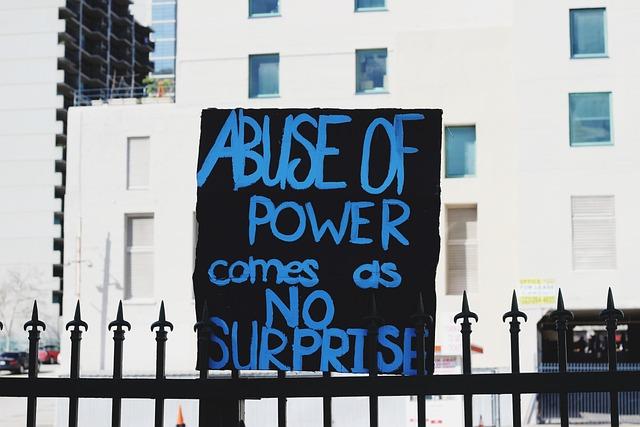
In Alabama, a simmering crisis over voting rights is unraveling the hard-won progress of Black political power, as recent legislative changes have ignited fears of regression. Following the gutting of key provisions of the Voting Rights Act, activists and community leaders are sounding alarms over the erosion of electoral access and representation. With systemic barriers re-emerging, many are questioning whether the state is slipping back into a history marked by disenfranchisement and inequality. This article explores the implications of these legislative shifts, the responses from local communities, and the potential consequences for the broader struggle for civil rights in America.
Black Political Mobilization Faces New Challenges in Alabama
The decline of mechanisms that once empowered Black voters in Alabama has provoked widespread concern among community leaders and activists. Polling restrictions, gerrymandering, and voter ID laws that disproportionately affect Black voters have created formidable barriers to participation. As the remnants of the Voting Rights Act have been eroded, proponents of equitable access to the ballot box argue that these legislative changes effectively undermine decades of progress. The sense of urgency is palpable, with organizations rallying to mobilize grassroots campaigns aimed at educating voters about their rights and engaging them in the electoral process amidst these new challenges.
Community-led initiatives are emerging to counteract the disempowerment of Black political voices. Grassroots groups are organizing town halls and workshops to galvanize civic participation, tackle misinformation, and build networks of support. A few key strategies include:
- Voter Education Programs: Informing potential voters about new laws and regulations that affect their ability to vote.
- Collaboration with Local Leaders: Partnering with trusted figures in the community to amplify messages of mobilization.
- Digital Campaigning: Utilizing social media platforms to reach younger voters and engage them in new political dialogues.
The Impact of Legislative Changes on Voter Access and Representation
The recent legislative changes in Alabama have significantly affected the dynamics of voter access and representation, particularly for Black communities. Following the dismantling of key provisions of the Voting Rights Act, many local lawmakers have seized the opportunity to introduce measures that disproportionately impact minority voters. These changes have led to a range of complications, including but not limited to:
- Voter ID Requirements: Stricter identification laws make it harder for many citizens to cast their votes.
- Polling Place Closures: Reduction in accessible voting locations leads to longer travel distances and wait times.
- Voter Roll Purges: Aggressive cleaning of voter rolls often removes eligible voters, particularly in communities of color.
Moreover, the impact of these legislative shifts reaches beyond immediate voting obstacles; they also erode the foundational principles of representation within local government. Disenfranchisement fuels disillusionment within affected communities, exacerbating the lack of political engagement and diminishing the power dynamics that have historically empowered Black voters in Alabama. The risks associated with these changes are not merely theoretical:
| Impact | Description |
|---|---|
| Reduced Turnout | Fewer voters participating in elections leads to skewed results. |
| Lower Representation | A decrease in elected officials from minority backgrounds in local government. |
| Community Alienation | Feelings of disenfranchisement foster apathy and detachment from the political process. |
The ripple effect of these legislative changes threatens to dismantle decades of progress made toward equitable representation, which serves as a stark reminder of the ongoing struggle for voting rights.
Strategies for Revitalizing Democratic Engagement in Marginalized Communities
To bolster democratic engagement in marginalized communities, a multifaceted approach that prioritizes inclusivity and accessibility is essential. Grassroots mobilization plays a crucial role; community leaders and organizations can facilitate forums that empower residents to voice their concerns and ideas. By focusing on educational initiatives, particularly about voting rights and processes, communities can demystify the electoral system. These initiatives can include workshops, community meetings, and collaborations with local schools to educate the younger generation on civic participation. Furthermore, leveraging technology can amplify these efforts; social media campaigns and mobile platforms can distribute information swiftly and mobilize support for various initiatives.
Strengthening local institutions is equally vital in this revitalization process. This can involve creating partnerships between community organizations and government agencies to ensure that the voices of marginalized populations are heard in policy-making. Cultural events that celebrate local heritage can also serve as platforms for political expression, encouraging participation through a sense of belonging and identity. Below is a summary of effective strategies to enhance democratic engagement:
| Strategy | Description |
|---|---|
| Community Forums | Platforms for discussing local issues and solutions. |
| Educational Workshops | Training sessions on voting rights and civic duties. |
| Social Media Campaigns | Utilizing digital platforms to raise awareness and engagement. |
| Cultural Celebrations | Events that foster community spirit while promoting political dialogue. |
The Conclusion
In conclusion, the erosion of Black political power in Alabama raises urgent questions about the future of democracy and representation in the state. The Supreme Court’s recent decisions to weaken the Voting Rights Act have set a troubling precedent that could reverberate far beyond Alabama’s borders. As communities grapple with the implications of these changes, advocates for civil rights and fair representation remain steadfast in their commitment to reclaiming the political agency that has been under threat. With local elections looming and the specter of disenfranchisement looming large, the stakes could not be higher. In this pivotal moment, it is essential for all citizens to engage in the democratic process, ensuring that the progress achieved through years of struggle is not lost but reinvigorated. As Alabama stands at a crossroads, the fight for equitable representation continues-a testament to the enduring resilience of those who refuse to be silenced.

