

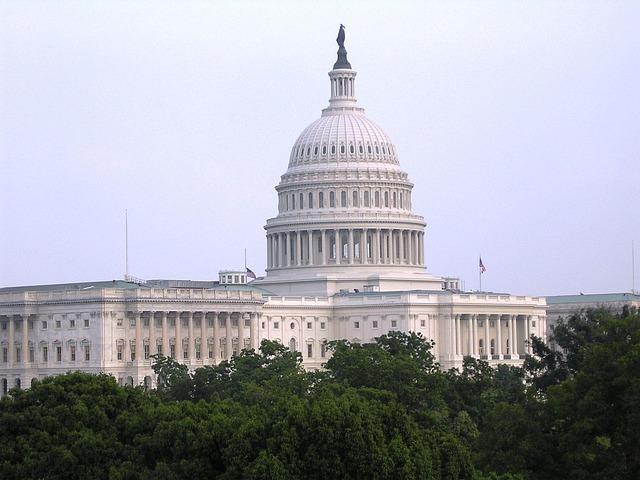
In a significant ruling that has reignited the debate over the methods of capital punishment, a US federal judge has issued a temporary injunction preventing the state of Alabama from proceeding with the planned execution of a death row inmate using nitrogen gas. The decision comes amidst growing concerns about the legality and humanity of using nitrogen for executions, raising questions about the future of this controversial method. The case underscores the complexities surrounding the death penalty in America, as states grapple with evolving standards of decency and the constitutional rights of condemned prisoners. As Alabama prepares for its next steps, this ruling marks a pivotal moment in the ongoing discussion surrounding lethal injection alternatives and the broader implications for capital punishment nationwide.
US Federal Judge Halts Alabama’s Nitrogen Gas Execution Amid Legal Controversies
A US federal judge has issued a temporary stay on Alabama’s plan to execute a man using nitrogen gas, raising significant questions about the legality and ethics of this execution method. This decision comes amidst growing scrutiny and debate surrounding the state’s shift towards nitrogen hypoxia, a method of execution that has yet to be tested in practice. Critics argue that the abrupt transition away from traditional lethal injection protocols may undermine due process and violate constitutional protections against cruel and unusual punishment.
In the ruling, the judge highlighted the lack of empirical data on nitrogen gas as a humane alternative for capital punishment. As states explore means to circumvent challenges associated with lethal injection drugs, Alabama’s attempt to pioneer this method has encountered considerable legal hurdles. Among the key concerns are:
- The absence of expert consensus on whether nitrogen gas meets humane execution standards.
- Potential for severe psychological distress if the method is mishandled.
- Unequal access to legal representation for those on death row.
| Method of Execution | State Implementations | Legal Challenges |
|---|---|---|
| Lethal Injection | All 27 states that allow the death penalty | Drug shortages, humaneness issues |
| Nitrogen Hypoxia | Alabama, Oklahoma | Unproven method, ethical concerns |
Implications for Capital Punishment Practices Across the United States
The recent ruling by a federal judge to prohibit Alabama from carrying out an execution by nitrogen gas marks a significant moment in the ongoing debate surrounding capital punishment in the United States. As states explore alternative methods of execution in the face of increasing scrutiny and legal challenges, this decision raises critical questions about the viability and ethics of nitrogen hypoxia as a method of execution. The implications extend beyond Alabama, potentially influencing legislative and judicial approaches in other states that have considered similar methods. Advocates for criminal justice reform may see this ruling as a pivotal victory, reigniting discussions about humane treatment in the penal system and the broader implications of capital punishment overall.
As states reassess their execution practices, several key factors will likely come under further examination:
- Legal Challenges: Ongoing litigation regarding the constitutionality of execution methods may gain momentum, prompting courts to reevaluate existing protocols.
- Public Opinion: The growing discourse on criminal justice reform might shift public perception regarding capital punishment, leading to legislative changes.
- Moral Considerations: Ethical debates around humane execution methods will intensify, potentially motivating states to seek alternatives to the death penalty altogether.
| State | Current Execution Method | Legal Challenges |
|---|---|---|
| Alabama | Nitrogen Gas (blocked) | Pending appeals |
| California | Lethal Injection | Morphed into moratorium |
| Texas | Lethal Injection | Subject to scrutiny |
Navigating the Future of Execution Methods: Ethical Considerations and Legislative Recommendations
The recent decision by a US federal judge to block Alabama from carrying out an execution via nitrogen gas highlights the increasing scrutiny surrounding alternative execution methods. Critics argue that the use of nitrogen hypoxia not only introduces significant ethical dilemmas but also raises crucial questions about its efficacy and humanity. Concerns center around whether this method, which aims to induce death through the inhalation of nitrogen, could lead to suffering and whether it represents a legitimate advancement in humane execution practices. As states explore new methods amid controversies surrounding traditional lethal injections, this court ruling serves as a critical reminder of the responsibilities lawmakers have to uphold ethical standards in capital punishment.
To address these pressing ethical considerations, stakeholders must consider several recommendations moving forward:
- Enhancing Transparency: Execution protocols should be publicly disclosed and debated to ensure accountability.
- Comprehensive Testing: New methods must undergo rigorous testing to ascertain their humanity and effectiveness.
- Informed Consent: Legal frameworks should incorporate the perspectives of medical professionals, ethicists, and the condemned.
- Legislative Review: Regular assessments of execution methods can help prevent issues of legality and ethicality.
Additionally, a clear framework for the ethical administration of capital punishment must be established. The table below presents potential components of such a framework:
| Component | Description |
|---|---|
| Method Assessment | Evaluation of the potential for pain and suffering associated with execution methods. |
| Stakeholder Engagement | Involving a diverse group of stakeholders in discussions about execution methods. |
| Ethical Oversight | Establishment of an independent body to review and monitor execution protocols. |
| Legal Framework | Updating laws to reflect evolving ethical standards in capital punishment. |
The Way Forward
In a significant ruling that questions the legality and ethics of nitrogen gas as a method of execution, a US federal judge has issued an injunction preventing Alabama from proceeding with the execution of an inmate under this controversial protocol. This decision underscores the ongoing debates surrounding capital punishment and the humane treatment of prisoners on death row. As the legal landscape surrounding execution methods continues to evolve, advocates are hopeful that this latest development will spur further examination and dialogue about the implications of nitrogen gas in the execution process. With Alabama’s execution plans now on hold, the focus shifts to the broader conversation about the future of the death penalty in the United States. The case marks a pivotal moment that could have lasting ramifications for states considering similar measures, as questions about human rights and justice take center stage in the national discourse.

