
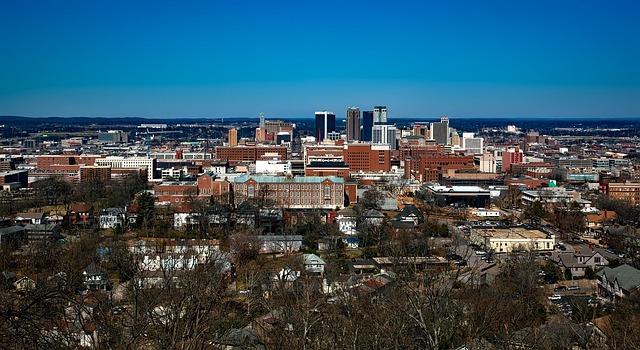
In a striking revelation that has garnered attention across the nation, WalletHub has identified two cities in Alabama among the most sinful in the United States. The findings, part of a comprehensive analysis that evaluates various criteria related to vice and moral behavior, have sparked discussions about the lifestyle and cultural dynamics within these urban environments. As Alabama continues to navigate its social landscape, the rankings from WalletHub have prompted both curiosity and concern, highlighting the complexities of urban life in the Heart of Dixie. This article delves into the specifics of the rankings, exploring the factors that contributed to the cities’ positions and the implications for residents and policymakers alike.
Alabama Cities Draw Criticism for Sinful Reputation
In a recently released study by WalletHub, two cities in Alabama have stirred the pot, landing them at the top of the list of the most sinful places in the United States. Montgomery and Birmingham’s reputation has faced scrutiny for various indices that categorize aspects of vice and moral behavior. WalletHub’s comprehensive analysis took into account metrics such as crime rates, substance abuse, and even gambling, putting Alabama cities under the spotlight for their so-called sinful lifestyles. Local leaders and residents alike express concern that these rankings may overshadow the positive strides being made in these communities.
Critics argue that focusing on negative statistics does not reflect the true spirit of these vibrant cities. Alabama’s culture, rich history, and community-oriented events often go unnoticed amidst discussions of vice. Many community advocates are now urging a broader narrative that highlights efforts to improve civic engagement and safety. A closer look at the rankings reveals key factors that contributed to the perception of sinfulness, including:
- High rates of crime and violence
- Substance abuse levels
- Prevalence of gambling establishments
| City | Rank | Notable Factor |
|---|---|---|
| Montgomery | 5 | High crime rate |
| Birmingham | 8 | Gambling prevalence |
Insights into WalletHub’s Evaluation Criteria for Sinfulness
WalletHub’s evaluation of sinfulness encompasses a broad array of factors that reflect moral and social behaviors in urban settings. The analysis begins with a dual focus on “vices” and “virtues,” measuring various criteria across different categories. For instance, the assessment includes metrics related to crime rates, gambling prevalence, and the affordability of alcohol, alongside indicators of health and safety. Furthermore, WalletHub takes into account public perception and attitudes towards morality, which can significantly influence the ranking of cities.
The evaluation criteria include aspects such as:
- Crime Rate: Analyzing violent and property crime incidents.
- Substance Abuse: Assessing rates of drug-related offenses and alcohol consumption.
- Gambling Activities: Measuring the availability and participation in gambling.
- Sexual Behavior: Data on adult entertainment establishments and related activities.
- Mental Health: Evaluating indicators of mental distress within communities.
| Criteria | Weight |
|---|---|
| Crime Rate | 30% |
| Substance Abuse | 25% |
| Gambling Activities | 20% |
| Sexual Behavior | 15% |
| Mental Health | 10% |
Strategies for Improving Community Image and Reducing Vice Activities
In light of recent findings by WalletHub, community leaders in the identified Alabama cities must implement comprehensive strategies to shift public perception and foster a positive atmosphere. Engaging local stakeholders such as schools, businesses, and nonprofit organizations can create a united front against vice activities. Initiatives that promote education, health, and wellness can play a pivotal role. For instance, establishing mentorship programs in schools and organizing community wellness fairs may contribute to a stronger community fabric.
Additionally, enhancing public safety and beautification projects can significantly improve a city’s image. By investing in more community policing and supporting local arts through murals and public spaces, cities can transform perceptions and create a sense of pride among residents. Regular community dialogues can also facilitate conversations about addressing vice issues while focusing on the positive attributes of the city. Involving citizens in these discussions may lead to innovative solutions that resonate with the community’s values.
Wrapping Up
In conclusion, WalletHub’s latest rankings have once again put the spotlight on two cities in Alabama, highlighting the nuanced and complex nature of urban life in the U.S. While these findings may spark lively debates about morality and behavior, they also serve as a reminder of the multifaceted challenges that communities face. As residents and local leaders reflect on these revelations, the focus will undoubtedly turn to addressing the underlying issues that contribute to these perceptions. Ultimately, how Montgomery and Birmingham choose to respond to this designation could shape their identities in the years to come. As the conversation continues, one thing remains clear: the narratives of these cities are far from over.


