

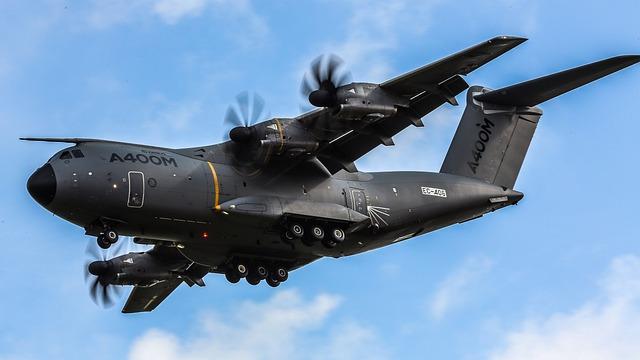
Airbus has solidified its presence in the American aerospace landscape with the establishment of three final assembly lines in Alabama, reflecting the company’s strategic commitment to expand its manufacturing capabilities in the United States. Among these facilities, only one is dedicated to the production of the A220, a modern and fuel-efficient aircraft designed to meet the evolving demands of air travel. This development marks a significant milestone for Airbus as it seeks to enhance its operational footprint and cater to the growing market for regional jets. As the aerospace industry continues to recover and adapt in the wake of the pandemic, the implications of this expansion for employment, local economies, and the broader aviation sector are becoming increasingly clear.
Airbus Expands Operations in Alabama with Three Final Assembly Lines
Airbus has taken a significant step forward in its operational footprint in Alabama by inaugurating two additional final assembly lines, bolstering its production capabilities within the region. This expansion not only reinforces the company’s commitment to its U.S. operations but also enhances its ability to meet growing global demand for commercial aircraft. Currently, the three assembly lines serve distinct roles:
- A220 Assembly Line: Focused on building the A220 aircraft, which offers improved fuel efficiency and smaller capacity for short and medium-haul flights.
- A320 Family Assembly Lines: Dedicated to the production of the A320 family, comprising the A318, A319, A320, and A321 models, known for their versatility and widespread use in the airline industry.
- A330 Assembly Line: Engaged in assembling the larger A330 family, which includes long-haul variants catering to airlines across the globe.
The new assembly lines are expected to enhance job creation and support the local economy significantly. Airbus’s investment in Alabama comes at a time when the aerospace sector is witnessing a resurgence, with airlines looking to refresh their fleets post-pandemic. With an increasing number of aircraft planned for delivery, Airbus is positioning itself strategically in the face of heightened competition from rivals. A detailed look at production timelines shows:
| Aircraft Model | Expected Annual Output |
|---|---|
| A220 | 50 units |
| A320 Family | 120 units |
| A330 | 30 units |
Understanding the Role of A220 Production at Airbus’s Alabama Facilities
The production of the A220 at Airbus’s Alabama facilities represents a pivotal aspect of the company’s strategy in the U.S. market. As the only assembly line dedicated to manufacturing this aircraft in the region, it plays a crucial role in meeting the increasing demand for fuel-efficient, short- and medium-haul jets. The A220’s introduction into the U.S. market aligns with a broader trend of airlines seeking innovative aircraft that not only enhance operational efficiency but also curb emissions. With its state-of-the-art design and advanced materials, the A220 stands out among competitors, solidifying its place as a leader in the segment.
Key features of the A220 assembly line in Alabama include:
- Local Job Creation: The facility has contributed significantly to local employment, providing skilled positions in manufacturing and engineering.
- Supply Chain Integration: Proximity to suppliers enhances efficiency and reduces lead times, allowing for a more agile production process.
- Technological Innovations: The Alabama assembly line incorporates cutting-edge technology that streamlines production and quality control.
By focusing on the A220, Airbus not only diversifies its portfolio but also ensures it remains competitive in an evolving aerospace landscape. As commercial airlines prioritize operational cost savings and sustainability, the production capabilities at this facility are set to play an key role in Airbus’s future successes in the aviation sector.
Strategic Implications of Airbus’s Expansion for the U.S. Aerospace Industry
Airbus’s decision to expand its footprint in Alabama with three final assembly lines has significant ramifications for the U.S. aerospace industry. By diversifying its production capabilities in a state known for aerospace manufacturing, Airbus strengthens its competitive position against key players such as Boeing. This expansion is likely to influence market dynamics and could lead to a shift in buyer preferences as airlines weigh the benefits of purchasing aircraft from a more localized assembly line. Consequently, manufacturers across the U.S. may be compelled to invest more heavily in innovation and operational efficiencies to maintain market share.
The establishment of additional assembly lines also raises concerns about job security and workforce stability within the U.S. aerospace sector. Local suppliers could experience increased demand for components, which might enrich the regional supply chain. However, companies relying solely on defense contracts may face pressure to adapt as commercial aircraft production grows. Key stakeholders should consider the following implications:
- Increased Competition: Domestic manufacturers may encounter heightened competition for contracts.
- Workforce Development: Training programs may need to be enhanced to equip the workforce with skills relevant to evolving technologies.
- Investment Opportunities: Rising foreign investments could draw attention to U.S. aerospace innovation.
To Conclude
In conclusion, Airbus’s expansion of its final assembly lines in Alabama marks a significant milestone in the company’s operations within the United States. With three facilities now in place, the production capabilities have been diversified, though only one specializes in the assembly of the A220 aircraft. This strategic development not only reflects Airbus’s commitment to enhancing its manufacturing presence in Alabama but also underscores the growing importance of the U.S. market in the global aviation landscape. As Airbus continues to adapt to changing demand dynamics, the implications of this expansion will likely resonate throughout the industry, influencing regional economic growth and employment opportunities in Alabama. The future of aerospace in the Southern U.S. appears bright as Airbus continues to innovate and strengthen its foothold in the region.

