

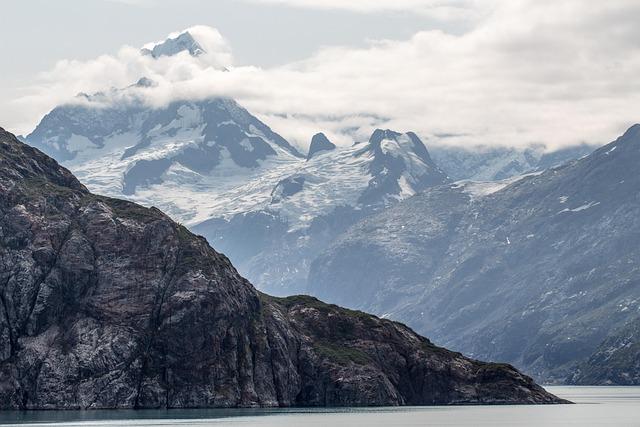
Why Alaska and the Arctic are Critical to the National Security of the United States
As global geopolitical landscapes shift and climate change alters the Arctic environment, the strategic significance of Alaska and its surrounding waters intensifies for American national security. With routes becoming more navigable and resources more accessible than ever, Alaska serves not only as a critical military outpost but also as a frontline in the evolving dynamics of Arctic sovereignty and defense. The U.S. Army University Press delves into the multifaceted importance of this often-overlooked region, examining how it stands as a bulwark against emerging threats and playing a pivotal role in the United States’ military readiness and international posture. In an era marked by increased competition with global powers and environmental upheaval, understanding the critical role of Alaska in national security has never been more imperative.
Alaska’s Strategic Geography: A Frontline Defense Against Arctic Threats
Alaska’s unique geographical position places it at the forefront of strategic military planning, making it an indispensable asset in the United States’ defense strategy against potential Arctic threats. As global warming continues to alter the landscape of the Arctic, new shipping routes and resource extraction opportunities are emerging, raising the stakes for national security. Alaska serves not only as a buffer but also as a staging ground for military operations in a region increasingly characterized by competition among global powers. The state’s proximity to Russia and its access to the Arctic waters ensures that any defense posture in the North must prioritize Alaska’s comprehensive integration into broader military strategies.
The Arctic’s increasing accessibility presents both opportunities and challenges that require a formidable American presence. To enhance its readiness, the U.S. military has been investing in critical infrastructure and capabilities in the region. This includes:
- Enhanced Arctic Mobility: Investing in icebreakers and specialized vehicles to effectively navigate the harsh terrain.
- Air Defense Systems: Deploying advanced systems to protect against aerial threats from near-peer adversaries.
- Joint Operations: Strengthening collaborations with allies through joint exercises and improved situational awareness.
In this context, engagement across various levels-military, governmental, and international-is crucial. Below is a table outlining key developments in Alaska’s strategic military presence:
| Initiative | Objective | Expected Impact |
|---|---|---|
| Expanded Radar Network | Enhance early warning capabilities | Increased response time to threats |
| Infrastructure Upgrade | Modernize bases for Arctic operations | Improved operational readiness |
| Training Programs | Specialized training for Arctic conditions | Enhanced adaptability of forces |
Climate Change and Military Preparedness: Adapting to New Arctic Challenges
The recent shifts in the Arctic climate have created a pressing need for the military to reassess its strategies regarding national security in the region. As ice melt opens new shipping routes and access to untapped resources, the potential for conflict over these assets increases. To effectively prepare for these emerging challenges, the military must focus on several key areas:
- Infrastructure Development: Upgrading and constructing bases to accommodate year-round operations in the Arctic.
- Joint Exercises: Conducting joint training programs with allied nations to enhance interoperability in extreme cold weather conditions.
- Technology Investment: Fostering advancements in icebreaking ships and surveillance technologies to monitor activities in the changing environment.
- Resilience Planning: Preparing for humanitarian missions and disaster response amid potential natural disasters exacerbated by climate change.
Moreover, understanding the geopolitical implications of a changing Arctic requires the military to engage in rapid situational assessments and proactive diplomacy. Countries like Russia and China are increasing their presence, necessitating a response that balances preparation with collaboration. To this end, regional partnerships are crucial. A strategic approach to Arctic security may include:
| Focus Area | Strategic Importance |
|---|---|
| Cooperation with Indigenous Communities | Enhances local intelligence and fosters goodwill. |
| Environmental Research Collaborations | Informs policy and fosters a sustainable security framework. |
| Multinational Arctic Council Initiatives | Promotes dialogue and builds trust among Arctic nations. |
In integrating these strategies, the military can not only bolster its preparedness for the unique challenges posed by climate change but also promote stability and security in one of the world’s most vulnerable regions.
Strengthening Partnerships: Collaborative Security Efforts in the Northern Frontier
Collaboration among military, local governments, and indigenous communities in Alaska is essential for enhancing security across the Northern Frontier. By engaging diverse stakeholders, the United States can effectively address the multifaceted challenges posed by increased maritime activity and geopolitical tensions. Essential areas for cooperation include:
- Joint Training Exercises: Regular collaborative drills that incorporate various forces and local agencies help build readiness and establish a unified response to potential threats.
- Resource Sharing: By pooling resources, such as surveillance technology and intelligence, partners can create a more comprehensive picture of both security threats and environmental changes in the region.
- Cultural Exchange Programs: Involving indigenous knowledge fosters a deeper understanding of the Arctic terrain and its strategic importance, further reinforcing security initiatives.
Leveraging these collaborative efforts not only strengthens military preparedness but also fosters community trust and resilience. Recent initiatives have highlighted the importance of integrated security frameworks that account for the unique attributes of the region. For example, a recent summit showcased:
| Initiative | Participants | Outcome |
|---|---|---|
| Arctic Security Symposium | Military Leaders, Indigenous Representatives | Actionable Strategies for Enhanced Local Security |
| Joint Surveillance Operations | Coast Guard, National Guard | Increased Monitoring of Arctic Waters |
| Cultural Awareness Workshops | Local Residents, Military Personnel | Improved Community Relations and Cooperation |
Wrapping Up
In conclusion, the significance of Alaska and the Arctic to the national security framework of the United States cannot be overstated. As global dynamics shift and geopolitical tensions intensify, these Northern frontiers emerge as pivotal arenas for strategic defense and military readiness. The region’s vast resources, strategic location, and rapidly changing climate present both opportunities and challenges that require vigilant attention and proactive measures. By prioritizing investment in infrastructure, fostering international cooperation, and enhancing military capabilities within this unique environment, the United States can ensure its interests are safeguarded and its position as a leading Arctic nation is maintained. As the world becomes increasingly interconnected, understanding and addressing the security implications of this remote frontier is essential for safeguarding the future of the nation and its allies. The stakes have never been higher, and clear, decisive action will be paramount in navigating the complexities that lie ahead.

